When the price of your favorite plate creeps up, it is natural to blame the restaurant. A report from the local station @WGAL in central Pennsylvania takes a closer look at what happens before the food ever reaches the table, and one barbecue owner explained how higher fuel costs are squeezing his kitchen.
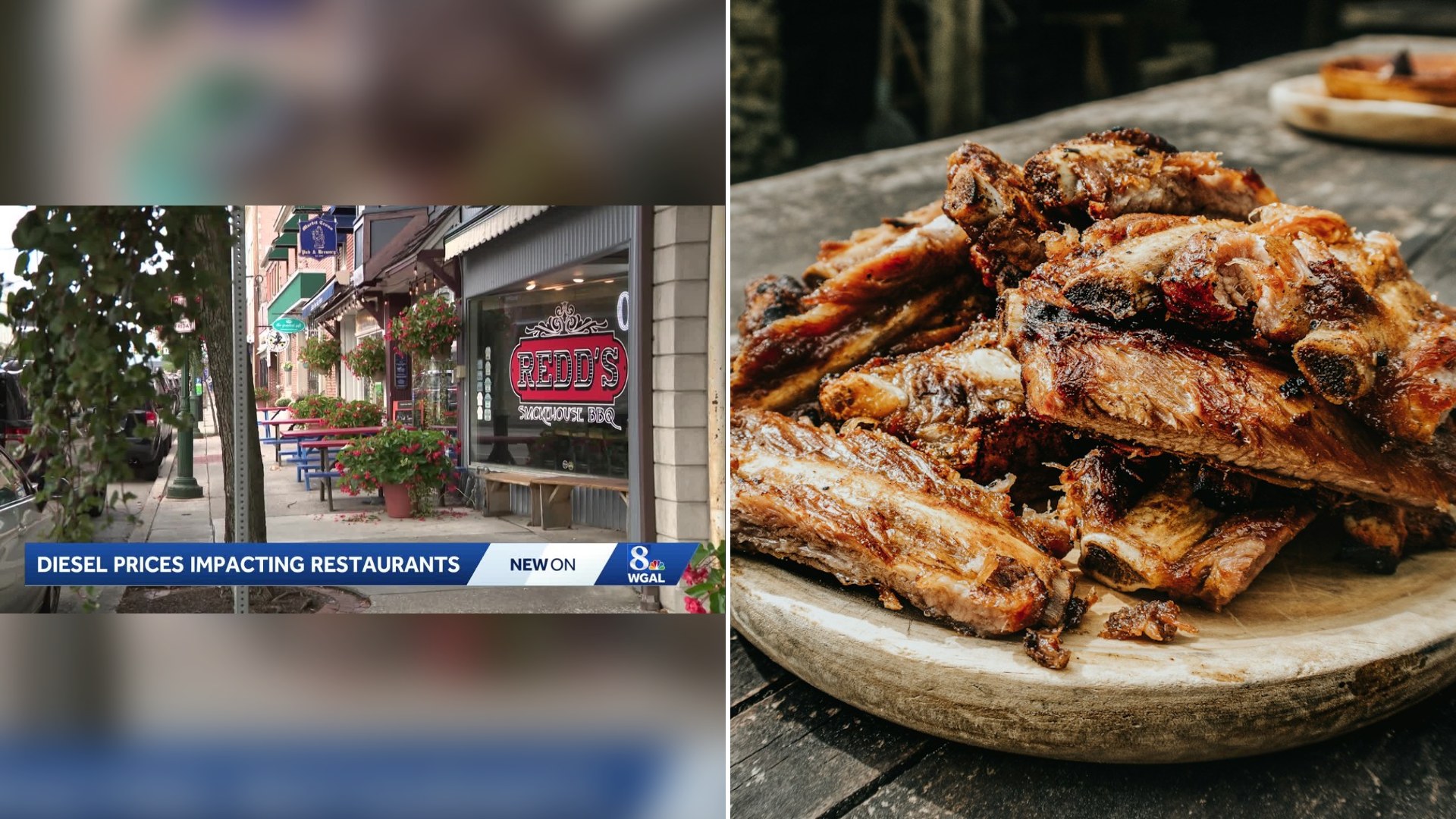
From Diesel To Your Dinner Plate
The report starts with a familiar scene. You sit down at your favorite restaurant, open the menu and notice that your meal costs more than it used to. The reporter asks us to consider that higher diesel prices could be part of the reason, and then turns to a barbecue owner in Carlisle, Pennsylvania, who walked through his own numbers.
Because his is a barbecue place, he explained, proteins are the biggest expense. Over the course of the year, he said, the restaurant’s food costs are probably up about 20 percent. He called that a very dramatic increase, with a very dramatic effect on the bottom line, especially if a business tries to avoid raising prices.
The chain of costs, as the report lays it out, is simple. When diesel gets more expensive, farming becomes more expensive, which means the meat the smokehouse sells costs more to produce. Then the meat has to be driven to the restaurant, and that trip also uses diesel. On top of that, he said, the restaurant has noticed fuel surcharges that used to not exist at all. They might be four dollars or six dollars on a delivery, and at first it seems so small that it would not matter.
Small Charges Add Up Fast
That is where the owner did the math out loud. Ten deliveries a week at about five dollars each, multiplied across 52 weeks, becomes something substantial. By those figures, it works out to roughly 2,600 dollars a year for a single type of surcharge. For a small business, that is real money, and it comes on top of the higher cost of the meat itself.
The owner said his smokehouse has not had to raise its prices yet. But if the increases continue, and especially if they last much longer, he thinks the restaurant will not have many choices. He said the team is trying to do what it can to get from here to wherever things are headed without passing the costs on to customers, because he knows people are feeling the pinch just like the restaurant is. Still, he said, the ability of businesses to hold out is nearing an end, because it is not fiscally responsible for the business. He noted there are plenty of owners in the same position.
Why Menu Prices Rise In Steps
What this owner describes is a pattern many diners have noticed. Restaurants usually try to absorb higher costs for as long as they reasonably can, since raising prices risks losing regulars. When that gets too hard, owners tend to make changes in stages. They may nudge up prices on the items with the highest ingredient costs, trim portions slightly, add small fees or adjust their specials. Customers often notice the changes before they know the reason.
Delivery costs are another piece of the puzzle. Suppliers who pay more to run their trucks often pass some of that along through fuel surcharges or higher per case prices, and a restaurant that buys from several vendors can see small increases from each of them in the same month. Meat is a good example. For barbecue places, brisket, ribs, pork and chicken make up much of the food bill, and their prices can move with feed, fuel, processing and transportation. When several of those costs rise together, the effect on a menu can be sharp.
How Diners Can Stretch Their Dining Budget
You cannot control the price of diesel, but you can make smart choices at the table. A few habits help keep a night out affordable without giving up the places you love.
- Ask about lunch menus and daily specials. Many restaurants offer smaller portions at lower prices during the middle of the day.
- Share a plate or order family style. Barbecue portions are often generous, and splitting a platter with sides can feed two.
- Order takeout and skip the extras. Drinks and desserts add up quickly, and you can enjoy them at home for less.
- Look for loyalty programs and local deals. Small restaurants sometimes offer a free item or a discount to regulars.
- Compare menus before you go. A quick look online tells you whether a place fits your budget before you sit down.
Supporting Local Restaurants Through Tough Times
It is worth remembering that the person at the counter is often the owner, and that owner may be tracking costs just as closely as you are. If a favorite spot raises its prices a little, a polite question about what changed usually gets an honest answer. Many owners would rather talk with customers than have them quietly drift away.
Showing up on slower days, trying a new menu item, bringing a friend and leaving a kind word all help a small restaurant stay open. Those little actions cost very little, and they can make a big difference when margins are tight.
The takeaway from the report is straightforward. Behind every menu price is a long line of costs, from the field to the truck to the kitchen. Understanding a little of that chain does not make a pricier plate any cheaper, but it can make the next trip to your favorite spot feel more fair and a good deal more thoughtful.