You walk into a fast food place, order a burger, fries and a drink, and the cashier spins the screen around. Eighteen percent, 22 percent, 25 percent. And you haven’t even gotten your food yet.
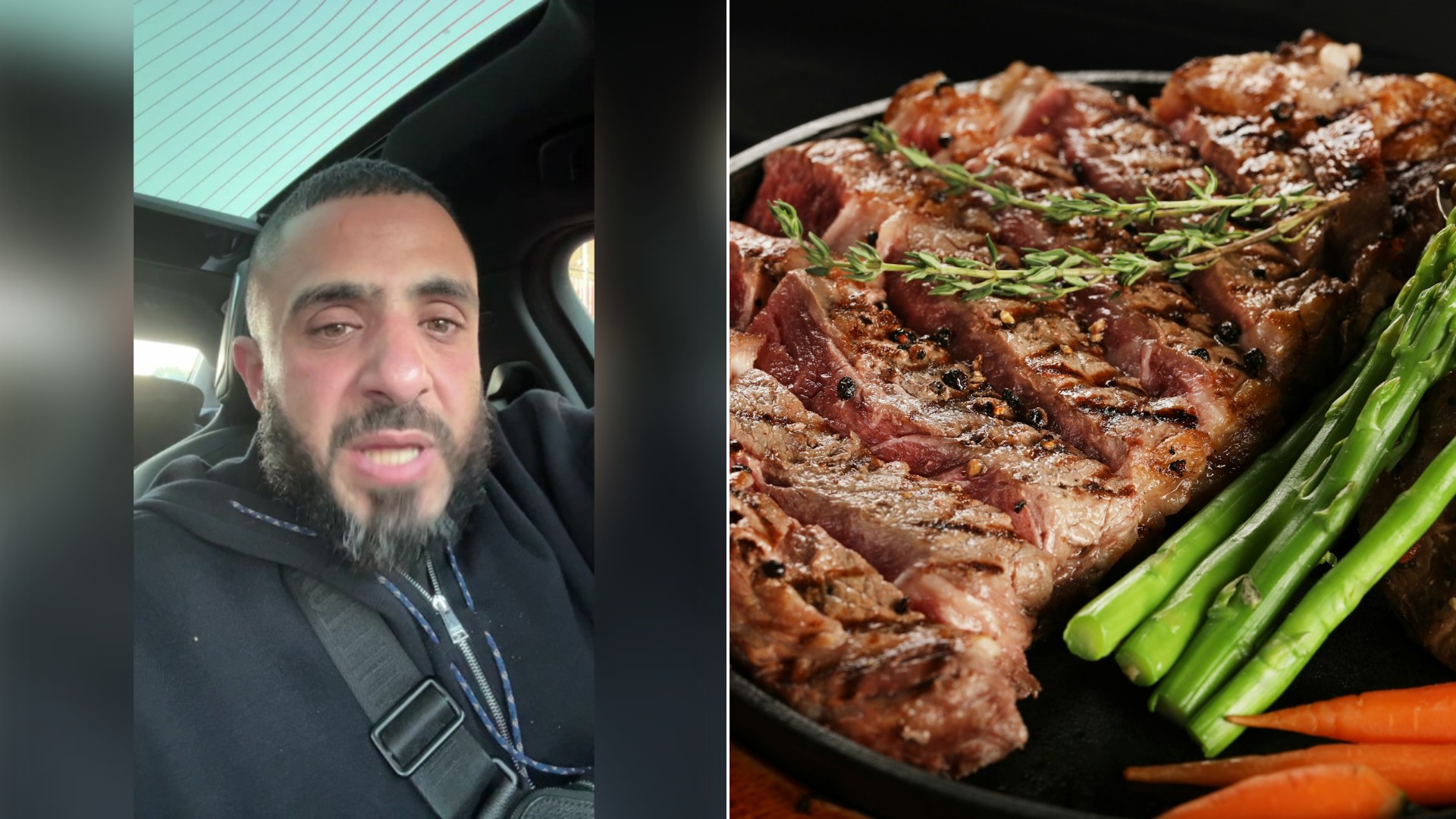
That is the scene comedian @philly_steeny paints in a rant that opens with a simple question: “Can somebody please explain the rules of tipping in America?” His complaint is that “apparently everybody is entitled to a tip now, and nobody told me.”
@philly_steeny
“You’re Asking Me To Rate A Performance That Hasn’t Happened”
He starts with the screen at the counter. “You press three buttons,” he says of the cashier. “I haven’t received my food yet. You’re asking me to rate a performance that hasn’t happened.”
Then there is the audience. The cashier is standing right there, watching, and he says it feels like “negotiating for a safe release of my hamburger.” Plenty of customers know exactly that awkward feeling of tapping a button while someone looks on.
The No Tip Button Is A Treasure Hunt, And Then Comes The Eye Contact
The screen has three beautiful buttons for tipping, he says. But if you don’t want to tip, you have to go on a treasure hunt to find the one that says no tip.
And when you finally press it, you have to make eye contact with the person who is about to prepare your food. His verdict: “That’s not customer service. That’s a hostage negotiation.” It is the biggest laugh line of the whole rant, and it lands because so many customers have felt that little pang of guilt.
The Waiter, The Barber, The Mechanic, And The Guy With The Paper Bag
Here is where the comedy turns into a real question. He tips the waiter. He tips the barber. Then he goes to the mechanic, a man who “spent six hours preparing my engine,” and there is no tip.
“But the person who handed me a paper bag expects 25%,” he says. “Who made rules?” It is a fair way to put it. Tipping customs in America grew up unevenly, and there is no single rulebook that explains why one job gets a tip and another does not.
“Did The Expensive Steak Require A Police Escort?”
His sharpest point is about math. Why is the tip based on the price of the food? If he orders a $20 steak or a $100 steak, he says, the waiter carries the same plate and walks the same distance.
“Did the expensive steak require a police escort?” he asks. “Why does the price of the dinner determine the value of the footsteps?” Defenders of the percentage system say it is a simple way to scale pay to a bigger bill and a bigger table, but his joke gets at why so many diners wonder about it.
“If You Can’t Afford To Tip, You Can’t Afford To Eat Out”
He has heard that line, and he has an answer ready. “Excuse me. I can afford the food. The price is on the menu.”
Then comes his best bit. If he is responsible for paying a restaurant’s employees, he says, he wants some authority. He wants to approve vacation requests and conduct performance reviews, and if an employee shows up late, he wants to know why. “Apparently I’m running this business with you.”
He Still Tips, But He Wants To Know What The Owner Is Paying For
The comedian makes one thing clear. “Don’t misunderstand me. I tip. I believe in rewarding good service.” His complaint is that somewhere along the way, tipping shifted from rewarding people for doing an excellent job to paying people because they have a screen they can ask on.
He closes with a question that has the whole rant circling back. If he is paying for the food, the taxes and the employees, “what exactly is the owner paying for?”
What To Know Before You Tap That Screen
Whatever side of the tipping fight you land on, a few facts can help. At a sit-down restaurant, servers in many states are paid a lower base wage with the expectation that tips make up the difference. Federal law sets a cash wage floor for tipped workers of $2.13 an hour, with the employer required to make up the gap if tips do not bring the worker up to the regular minimum wage, and many states set higher rules.
At a counter-service spot, there is no set custom. Tipping is optional, and many people treat that screen the way they would treat a tip jar: a little extra for something that went well, and nothing when it did not. You do not owe anyone an explanation for tapping no tip.
If you like to tip at a sit-down meal, many diners use 15 to 20 percent as a rule of thumb. If a screen puts bigger numbers in front of you, you can usually pick a custom amount. And if the service was great, a tip in cash is the best way to make sure it goes right into the worker’s hand.
The rant works because it says out loud what many customers think while the card reader is blinking at them. The humor is about the pressure, not about the people behind the counter, and the comedian says he tips when it is earned. For a lot of folks, that is the whole point: tip because the service was good, not because a screen told you to.
More Stories You May Like
- Flight Attendant Hands Passenger A Payment Kiosk With A Tip Prompt For M&Ms And Water, And He Asks When Flight Attendants Started Getting Tips
- Top 10 Cruise Tips For New Cruisers Include Midnight Check In The Day Before, A Third Entree For Around $5 And Airplane Mode To Dodge A $300 Phone Bill
- 5 Things You Should Never Expect When You Bring Your Own Bottle To A Restaurant