Few things ruin a trip faster than a ground stop. Planes are parked, departure boards fill with red, and travelers pile up at gates wondering where they will sleep tonight.
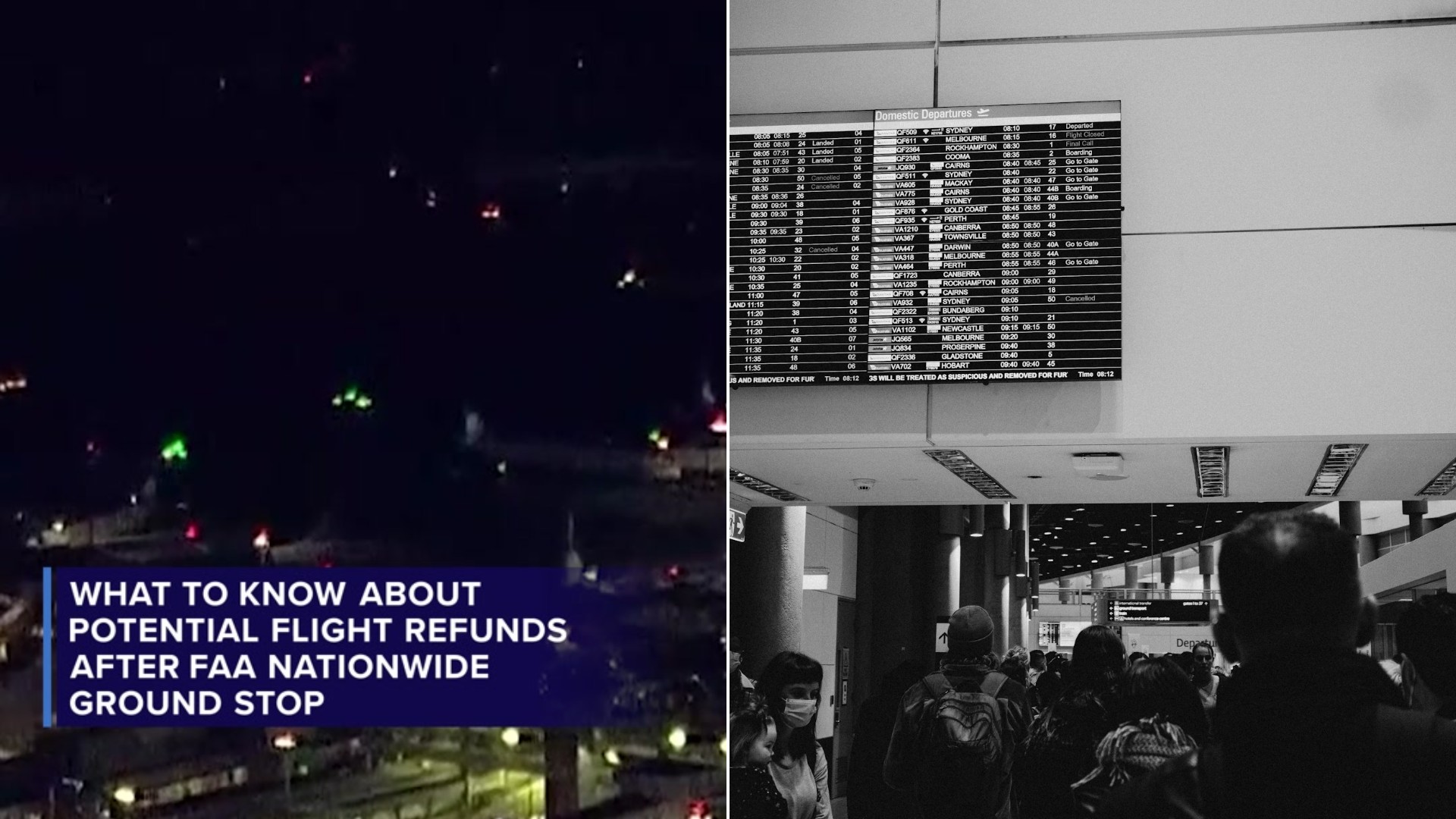
A TV news report on TikTok breaks down the hard truth in about a minute. If a nationwide ground stop strands you, the airline will not pay for your hotel, but trip interruption insurance on some credit cards might cover the unexpected costs.
@abcnews
Why The Airline Says No To Your Hotel Bill
The reporter explains that a ground stop is out of the airline’s control. Because the carrier did not cause the problem, it is generally not on the hook for your room, your meals or your ride.
That is the rule of thumb across the industry. Delays the airline can control, such as a crew shortage or a maintenance issue, often come with more help, while delays blamed on weather or air traffic control usually bring far less.
A Credit Card May Be Your Safety Net
Here is the twist. Some credit cards, usually the ones with higher annual fees, include trip interruption insurance, which can reimburse costs when a trip is cut short or delayed.
The catch is a big one. The coverage usually applies only if you bought the ticket with that card, so the way you paid at checkout can matter as much as the airline you chose.
What A Ground Stop Actually Is
A ground stop is an order from the Federal Aviation Administration that holds planes on the ground at one or more airports. It can be used for storms, equipment problems or other safety concerns, and it can be lifted within minutes or last for hours.
A nationwide stop is rare. One of the best-known examples came in January 2023, when the FAA paused departures across the country after a failure in a system that sends safety notices to pilots.
Airlines publish customer service plans that spell out what they promise during delays they can control, and those plans are public on each carrier’s website. Reading yours before a trip tells you what help to expect and what to ask for.
Frequent flyers also know that status with an airline, or a ticket on a higher fare class, can mean a little more flexibility at the counter. It is never a guarantee, but it can make a difference when seats are scarce.
Check Your Card Before You Fly
You do not have to wait for a disaster to find out whether you are covered. The benefits guide that came with your card, or the card issuer’s website, lays out what trip delay or interruption coverage looks like.
Look for these details in the fine print.
- How long a delay has to last before coverage starts, which is often several hours or an overnight stay.
- The maximum payout per person and per trip.
- Which costs count, such as hotels, meals, toiletries and ground transportation.
- Whether the ticket must be purchased in full with the card.
- What proof you need, such as receipts and a letter from the airline confirming the delay.
Terms differ widely from card to card, so a phone call to the benefits administrator is worth the time. Ask exactly what is covered before you rely on it.
What To Do In The Moment You Are Stranded
When the board turns red, speed helps. Get in line at the counter but also call the airline or use its app at the same time, because rebooking spots disappear quickly.
Keep every receipt and take screenshots of delay notices and flight status pages. Insurance claims are won on paperwork, and the airline may be asked to confirm what happened, so it pays to ask the agent for written proof of the delay.
Another smart move is to keep a small kit in your carry-on. A phone charger, a change of underwear, basic toiletries and any medicine you need are easy to pack, and they spare you from buying everything at inflated airport prices if your checked bag is stuck.
Also think about timing. Early flights are less likely to be hit by chain-reaction delays, and a morning departure leaves more of the day to rebook if something goes wrong.
Know Your Rights On Refunds
Even when an airline owes you nothing for a hotel, it may owe you your money back. In the United States, the Department of Transportation requires a refund if your flight is canceled or significantly changed and you decide not to travel, and recent rules require that the refund happen automatically.
Rebooking is usually free, and some carriers allow a different date or even a different airport. If you choose a refund, make sure it goes back to the original form of payment.
Consider Travel Insurance For Big Trips
If your card does not offer this kind of protection, a separate travel insurance policy can fill the gap. Cruises, international trips and holiday travel are the times people most often buy it, because a missed connection can ripple through hotels, tours and rental cars.
Read the policy carefully. Some plans cover only specific causes of delay, and others require you to buy within a short window after your first trip payment.
The bottom line from the report is simple. An airline is off the hook for the hotel after a ground stop, but a little homework on the cards in your wallet could turn a miserable night into a covered expense.
More Stories You May Like
- Airline Glitch Priced Seattle To Tokyo At $196 Instead Of About $1,100, And Airlines Honored 11 Of 13 Mistake Fares Tracked, But A $1,525 Business Class Deal Got Canceled
- Chipotle Employee Rings Up The New Smoked Brisket Bowl At $15.20, Adds Extra Brisket For $8.45 More, And With Tax That One Bowl Costs $26.25
- Norwegian Luna Delays Its Miami Sailaway To Wait For Guests Stuck In The FAA Ground Stop, Then Cuts Two Ports Short And Adds A Refuel Stop In Freeport To Make It Work