As we all adjust to the shifting economic landscape, bulk shopping has become increasingly popular. Yet, not all bulk purchases offer the same value. In fact, buying some items in large quantities can be a waste of both money and space. So, how do you discern the good deals from the bad?
Our list is based on real-world trends, data, and expert opinion. We’ve examined a variety of sources, including market reports, consumer surveys, and interviews with grocery industry insiders. Expect to find a selection of items that are currently not worth buying in bulk, along with the reasons why these deals are less than they seem.
1. Fresh Produce

Fresh fruits and vegetables are a staple of any healthy diet, and many people are tempted to stock up when they see a sale. However, fresh produce has a limited shelf life, which means that buying in bulk often leads to waste.
Recent data indicates a rise in food waste, particularly with fresh produce. This is not only bad for the environment but also for your wallet. According to a USDA report, consumers are encouraged to buy only what they can consume before it spoils.
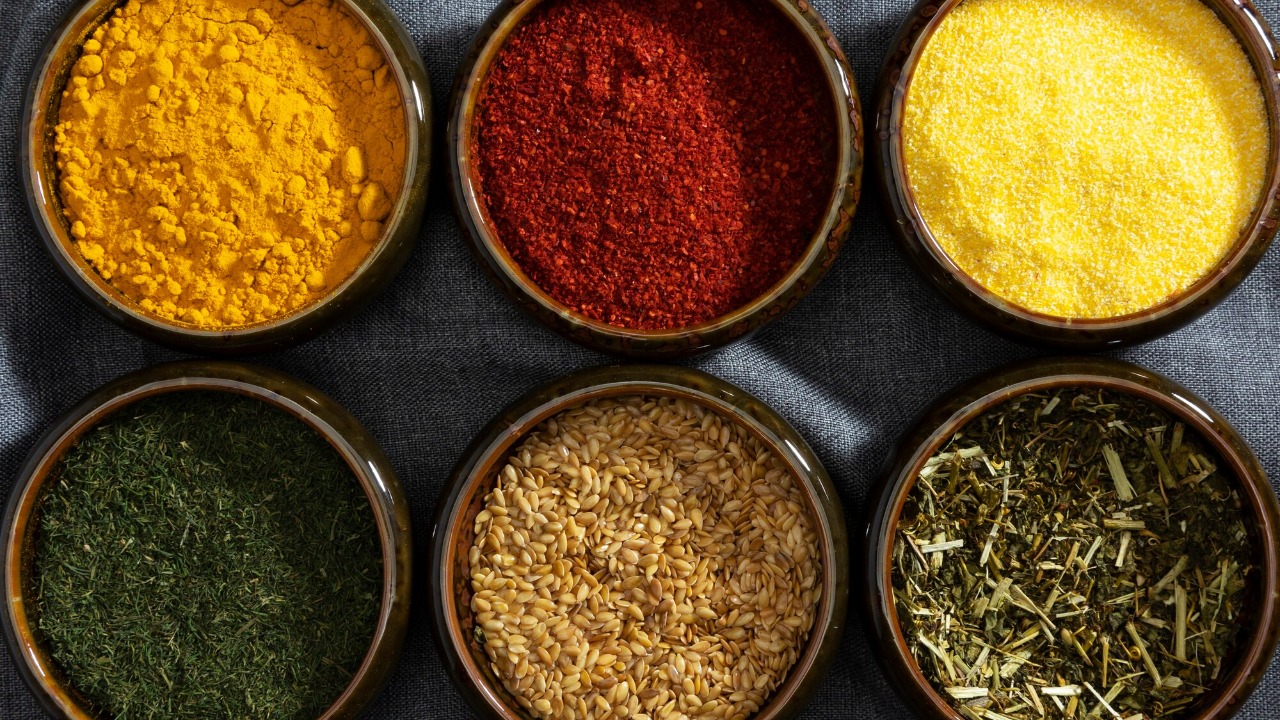
2. Spices

Spices are essential for adding flavor to your meals. Many shoppers are lured into buying spices in bulk due to the apparent cost savings. However, spices lose their potency over time, reducing their effectiveness in your cooking.
Experts recommend replacing your spices every six months to a year. Given this, buying large quantities might not be the best option. As per a Food Network guide, it’s more economical to purchase smaller quantities that you’ll use up within the suggested timeframe.
3. Sunscreen

Many people bulk buy sunscreen in preparation for the summer months. However, sunscreen has an expiration date and can become less effective over time.
A recent study reveals that using expired sunscreen can lead to inadequate sun protection. The American Academy of Dermatology recommends checking the expiration date before buying sunscreen and avoiding bulk purchases that can’t be used up before the product expires.
4. Cooking Oil

Cooking oil is a kitchen staple that many people buy in bulk for cost-effectiveness. However, oils can go rancid over time, affecting their taste and nutritional value.
According to the Healthline, most oils should be used within one to two years. Therefore, buying a huge bottle might not be the best deal if you don’t use it regularly.
5. Whole Grains

Whole grains are a healthy and versatile addition to any diet, prompting many shoppers to buy them in bulk. While they have a longer shelf life than processed grains, they can still go bad over time.
The FDA recommends storing whole grains in a cool, dry place and using them within a few months for the best quality. Thus, unless you’re consuming a lot of whole grains, bulk purchases may not offer the best value.
6. Skincare Products

Skincare products, particularly the ones with active ingredients, can lose their effectiveness over time. Despite the perceived savings, buying these products in bulk may not always be a wise choice.
The Mayo Clinic advises against using expired skincare products. Unless you’re using the product regularly and can finish it before it expires, it’s better to stick to smaller quantities.
7. Nut Butters

Nut butters are a delicious source of protein and healthy fats. While buying in bulk can seem like a good deal, these products can go rancid over time, affecting their taste and nutritional value.
According to Eat By Date, most nut butters last for about a year unopened. However, once opened, they should be consumed within a few months. Therefore, unless you eat a lot of nut butter, a bulk purchase might not be the best choice.
8. Condiments
Condiments can enhance the flavor of your meals. However, they can lose their taste over time and some even harbor bacteria when stored improperly.
The Food Safety website advises consumers to be mindful of the shelf life of condiments. Unless you go through these items quickly, it’s better to buy smaller bottles that you can use up while they’re still fresh.
9. Brown Rice

Despite being a healthier alternative to white rice, brown rice has a shorter shelf life. The natural oils in brown rice can turn rancid, making it a less ideal bulk purchase.
According to StillTasty, brown rice typically lasts six to eight months. Unless you consume a lot of brown rice, buying in smaller quantities is more advisable.
10. Pet Food
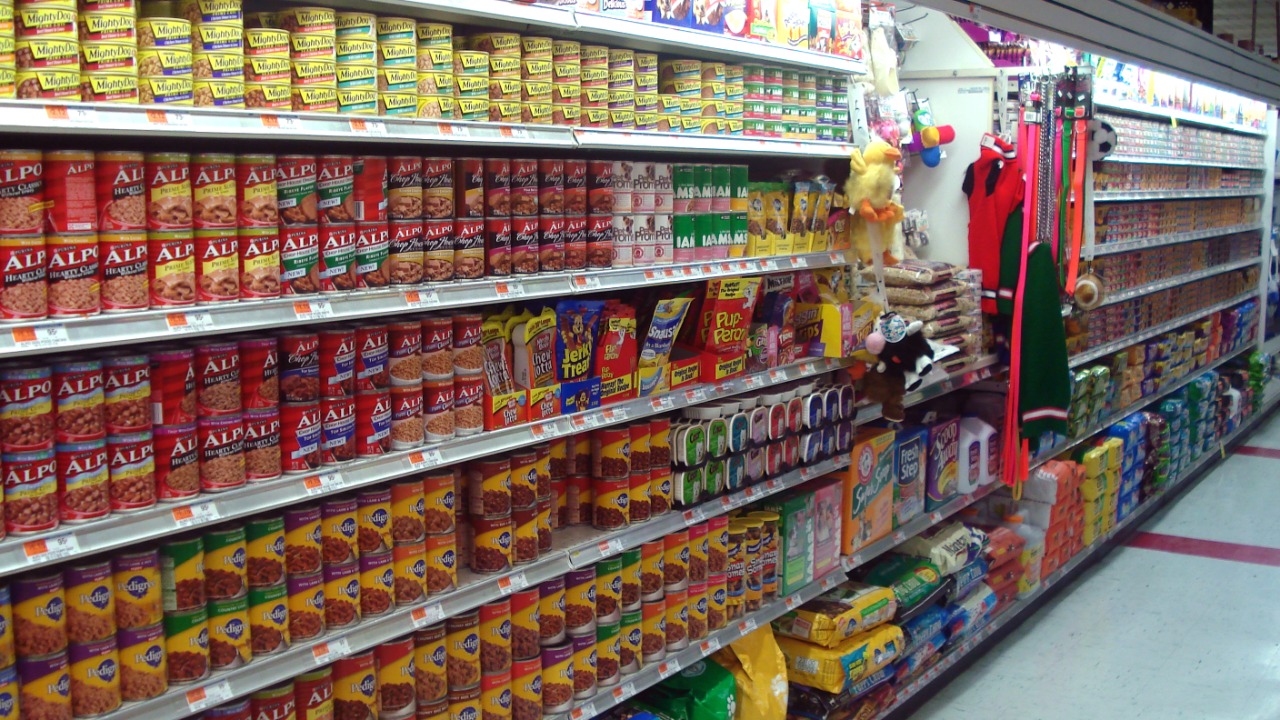
Pet food is often bought in bulk to save money and reduce shopping trips. However, like human food, pet food can go stale or spoil over time, especially once the package is opened.
The FDA recommends using pet food within six weeks of opening the package. Given this, unless you have multiple pets, buying pet food in bulk may not offer the best value.

As a mom of three busy boys, I know how chaotic life can get — but I’ve learned that it’s possible to create a beautiful, cozy home even with kids running around. That’s why I started Cultivated Comfort — to share practical tips, simple systems, and a little encouragement for parents like me who want to make their home feel warm, inviting, and effortlessly stylish. Whether it’s managing toy chaos, streamlining everyday routines, or finding little moments of calm, I’m here to help you simplify your space and create a sense of comfort.
But home is just part of the story. I’m also passionate about seeing the world and creating beautiful meals to share with the people I love. Through Cultivated Comfort, I share my journey of balancing motherhood with building a home that feels rich and peaceful — and finding joy in exploring new places and flavors along the way.