1. Spices
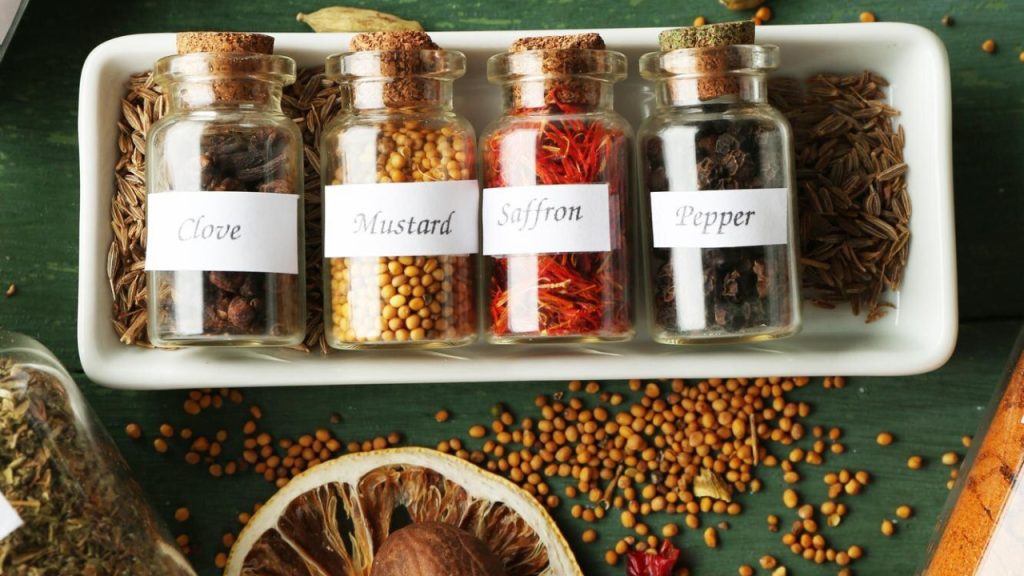
Spices are the backbone of culinary art, adding distinct flavors and aromas to various dishes. They are often purchased in bulk due to the perception of long shelf-life, and because they are key to many recipes. However, despite their dry nature, they are not invincible to the passage of time.
Spices lose their potency and flavor over time, which can significantly impact the taste of your dishes. According to USDA, ground spices only have a shelf-life of 2-3 years, and whole spices can last up to 4 years. Therefore, it’s crucial to check your spice rack regularly and replace any outdated spices.
2. Flour
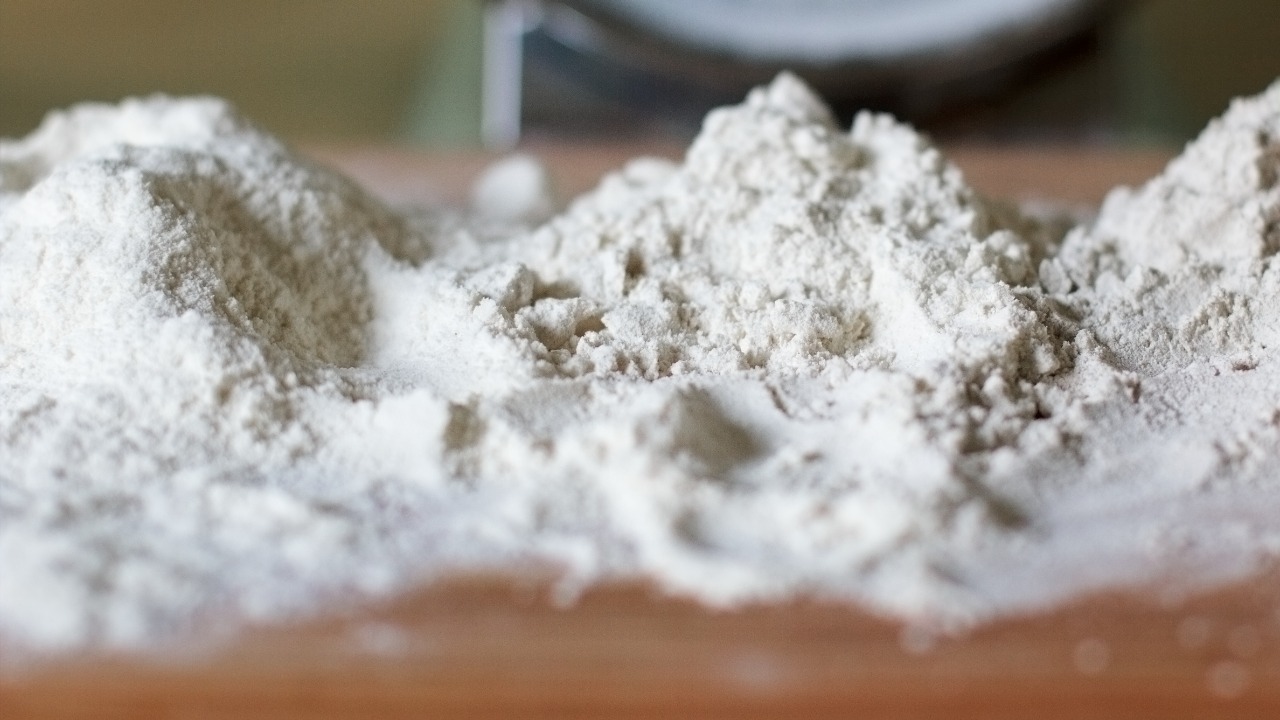
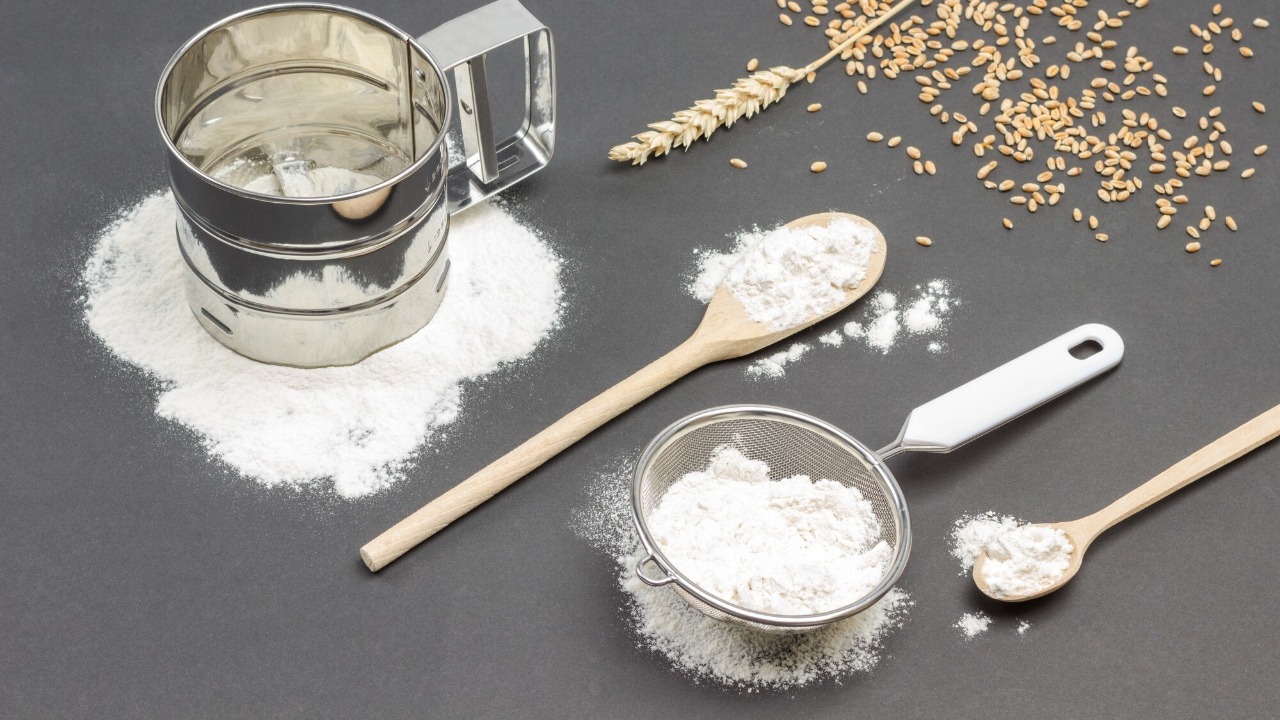
Flour is a staple ingredient in most households, used in everything from baking to thickening sauces. Many people tend to buy flour in large quantities, especially when on sale, assuming it has a long shelf life due to its dry nature.
However, the reality is that flour can go rancid quite quickly. Flour has a shelf life of only 6-8 months according to the Eat By Date. Therefore, buying flour in bulk may not be a wise decision unless you bake regularly.
3. Nuts
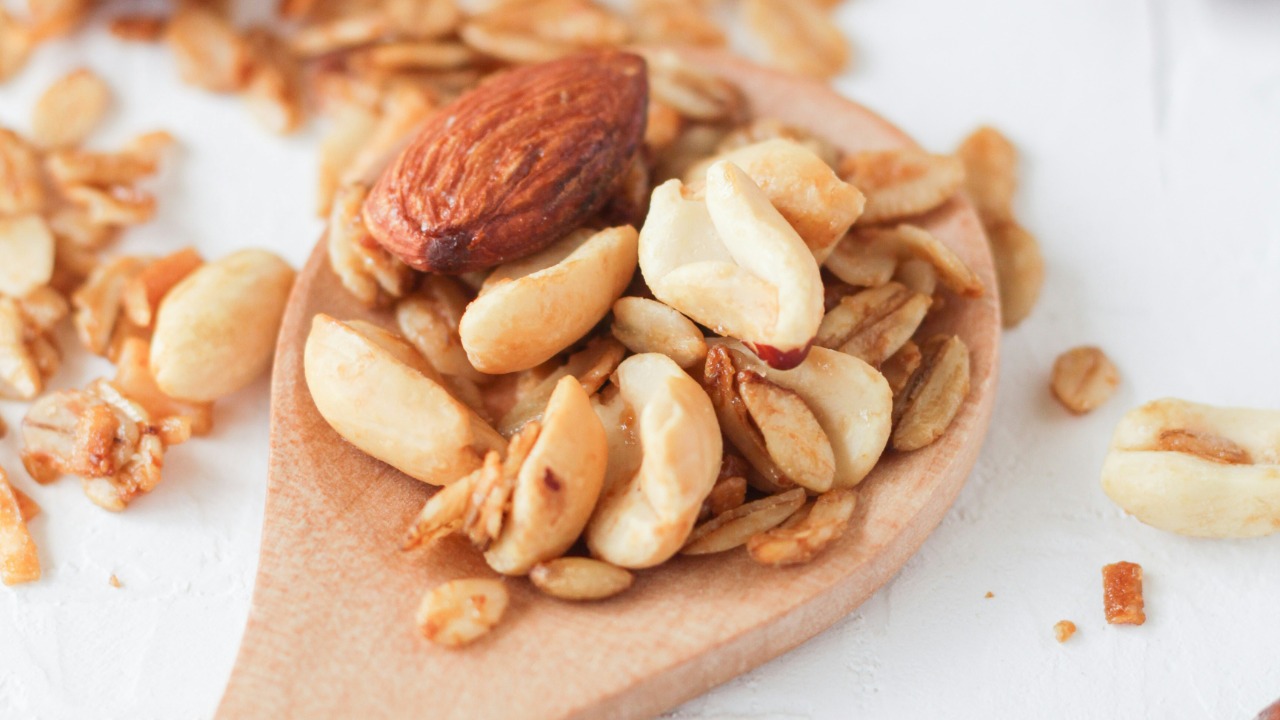
Nuts are a popular snack and cooking ingredient, valued for their rich flavor and health benefits. They are often purchased in bulk due to their perceived long shelf-life and nutritional value.
However, nuts contain high levels of oil which can go rancid quickly, resulting in a bitter taste. According to Still Tasty, most nuts have a shelf-life of just 1-2 months at room temperature. Therefore, it’s important to store them properly or consume them within the recommended timeframe.
4. Brown Rice
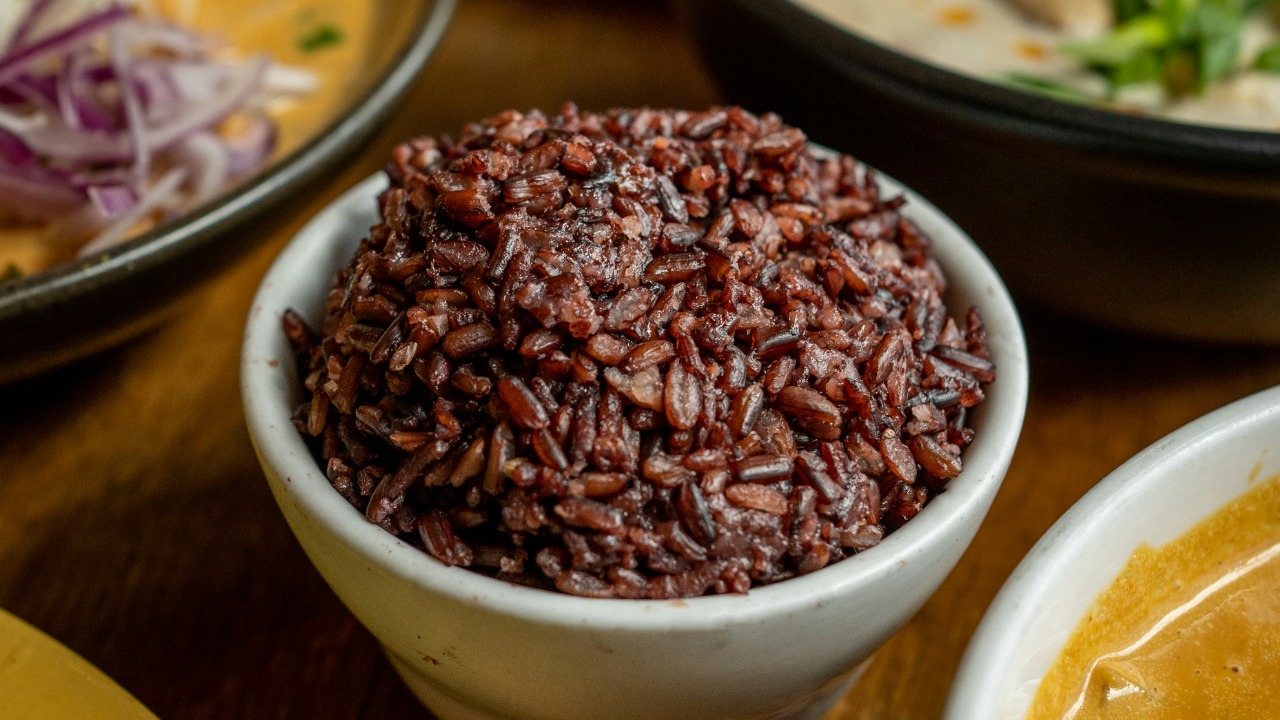
Brown rice is a healthier alternative to white rice and is often stocked up by health-conscious consumers. Its higher nutritional value and fiber content make it a popular choice for many households.
However, unlike white rice, brown rice has a significantly shorter shelf life due to its higher oil content. According to University of Nebraska-Lincoln, brown rice can only last for 6-8 months under normal storage conditions. Thus, it’s advisable to buy it in smaller quantities and use it within the recommended time period.
5. Cooking Oils
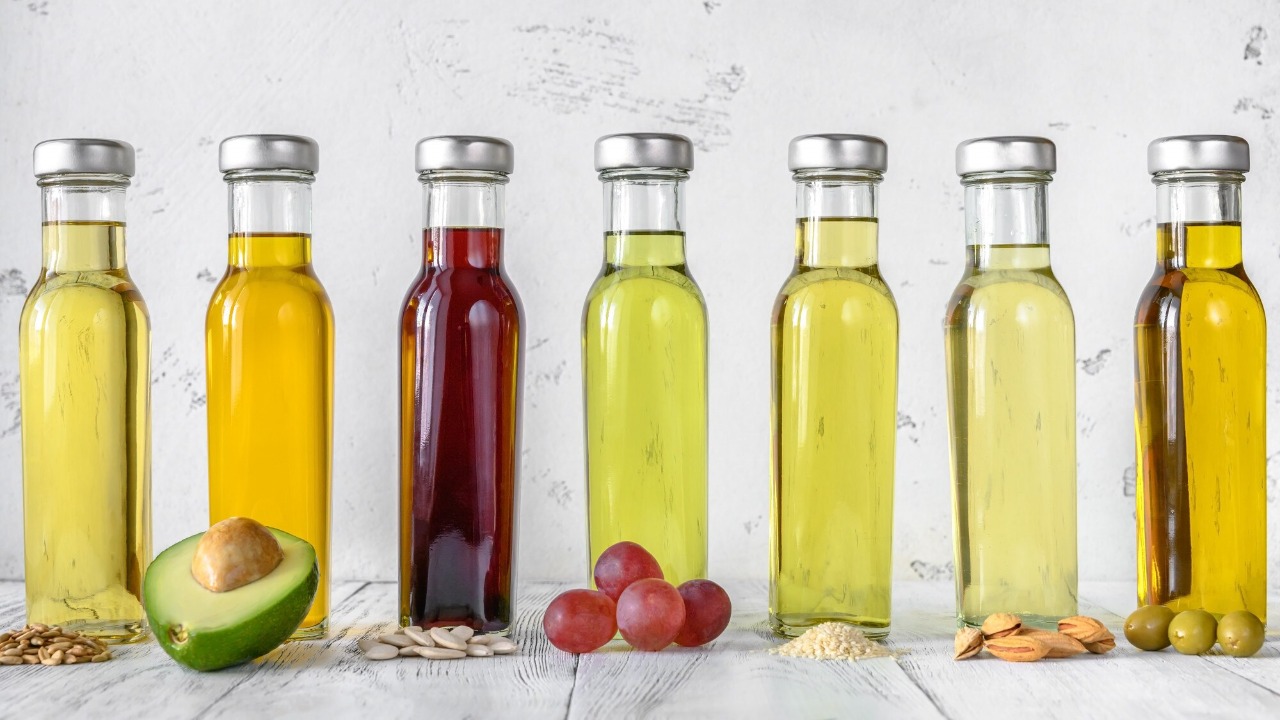
Cooking oils are an essential part of every kitchen pantry. They are used in practically every recipe, from frying to baking, salad dressings to marinades. As a result, many people tend to stock up on large quantities of oil, assuming it will last indefinitely.
However, cooking oils can degrade and become rancid over time, affecting both the taste and nutritional value of your food. The shelf life of cooking oil varies depending on the type, but according to the Canola Council, most oils should be used within a year of opening.
6. Dried Pasta
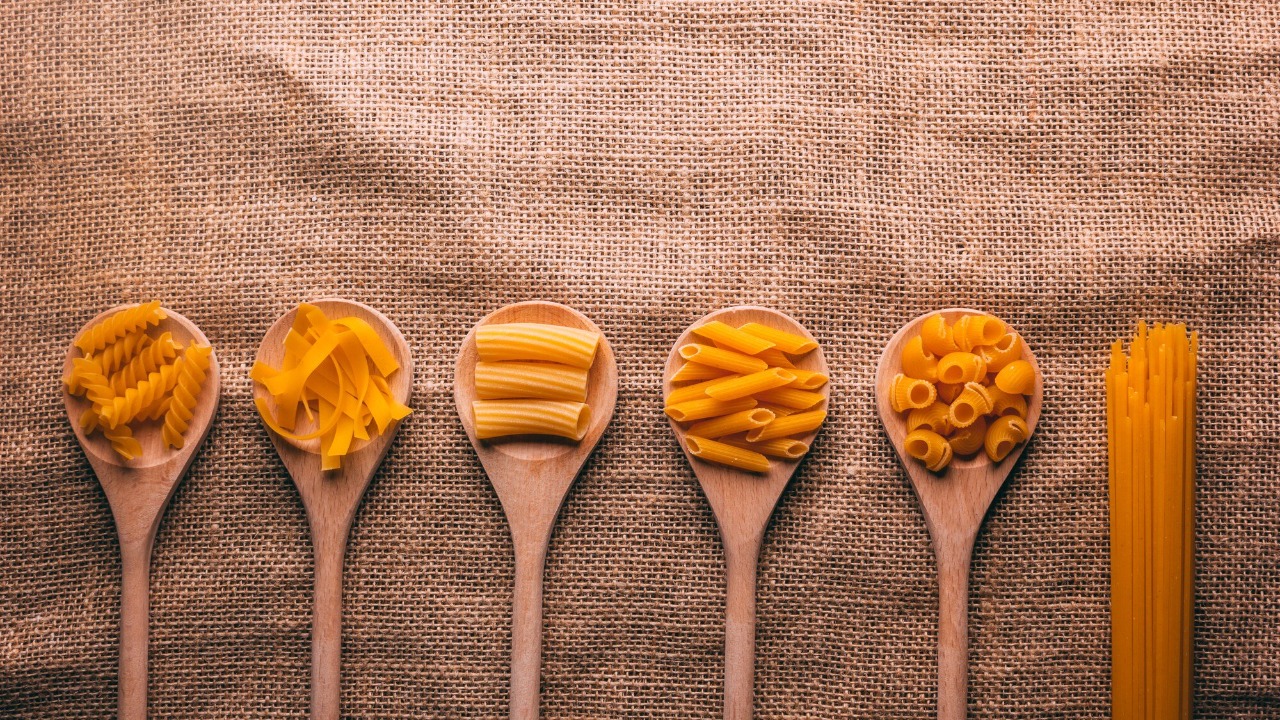
Dried pasta is a pantry staple in many households, often bought in large quantities due to its versatility and long shelf-life. It’s a go-to ingredient for quick, easy meals and is often overlooked when it comes to expiry dates.
While it’s true that dried pasta can last longer than its fresh counterpart, it doesn’t have an indefinite shelf life. According to Penn State Extension, dried pasta has a shelf life of about two years. Therefore, it’s important to keep track of your pasta’s age to ensure its quality and safety.
7. Baking Powder
Baking powder is a leavening agent widely used in baking. Many home bakers buy it in bulk, assuming it has a long shelf life. However, baking powder can lose its effectiveness over time, affecting the outcome of your baked goods.
According to the Verywell Fit, baking powder only has a shelf life of about 6 months to 1 year. Therefore, it’s crucial to check its potency before use, especially if you haven’t used it in a while.
8. Baking Soda
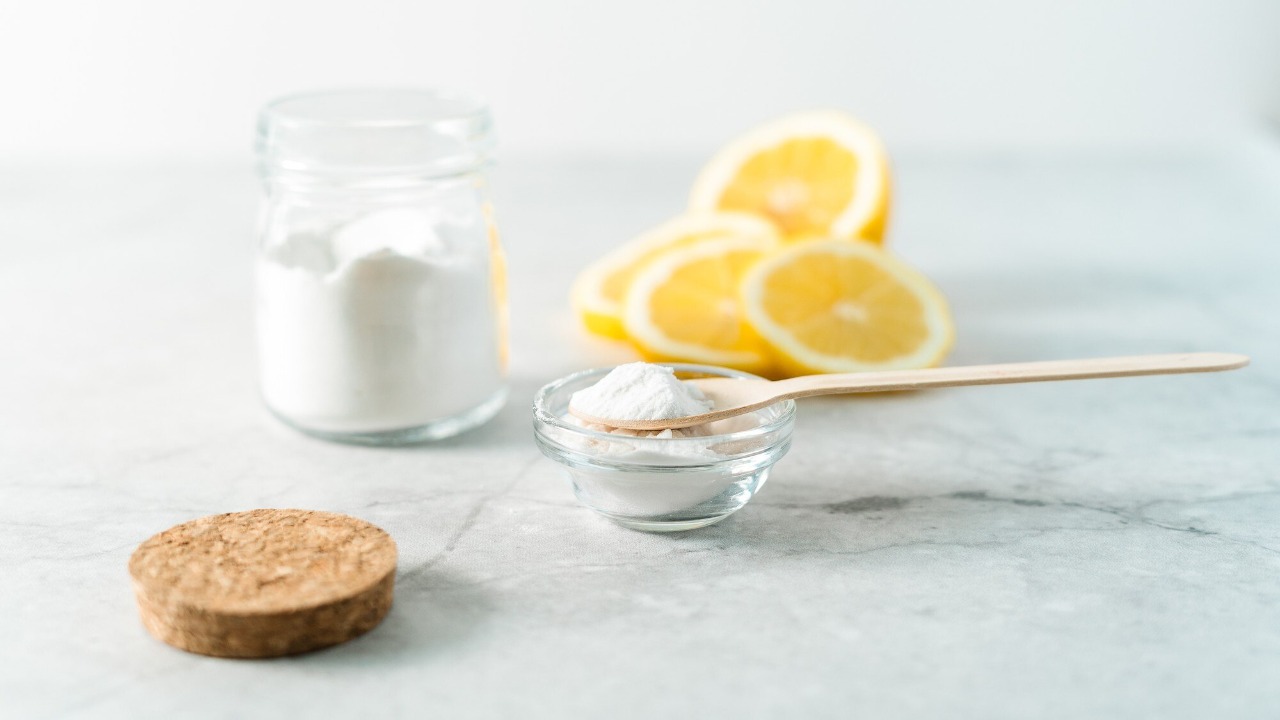
Baking soda is a versatile ingredient used in both cooking and cleaning. Because it’s inexpensive and used in small quantities, many people buy it in bulk and assume it lasts forever.
However, like baking powder, baking soda can lose its effectiveness over time. According to Penn State Extension, baking soda has a shelf life of about two years. Therefore, it’s important to replace your baking soda regularly to ensure it functions effectively.
9. Yeast
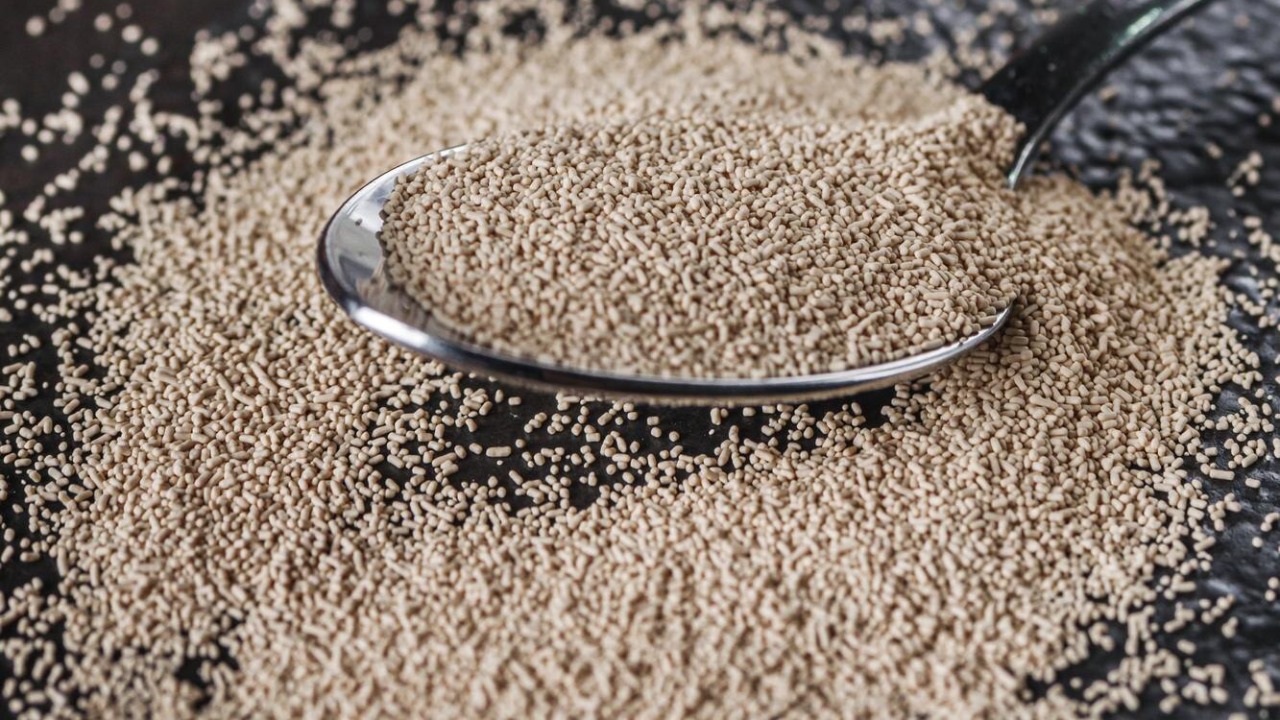
Yeast is a key ingredient for baking breads and brewing beer. It’s often bought in bulk by avid bakers and brewers, assuming that it has a long shelf life due to its dry, granular nature.
However, yeast is a living organism and can lose its effectiveness over time. According to the Red Star Yeast, an unopened package of active dry yeast should be used within two years of production. Once opened, it’s best to use it within 4 months, or it may not work as expected.
10. Canned Foods
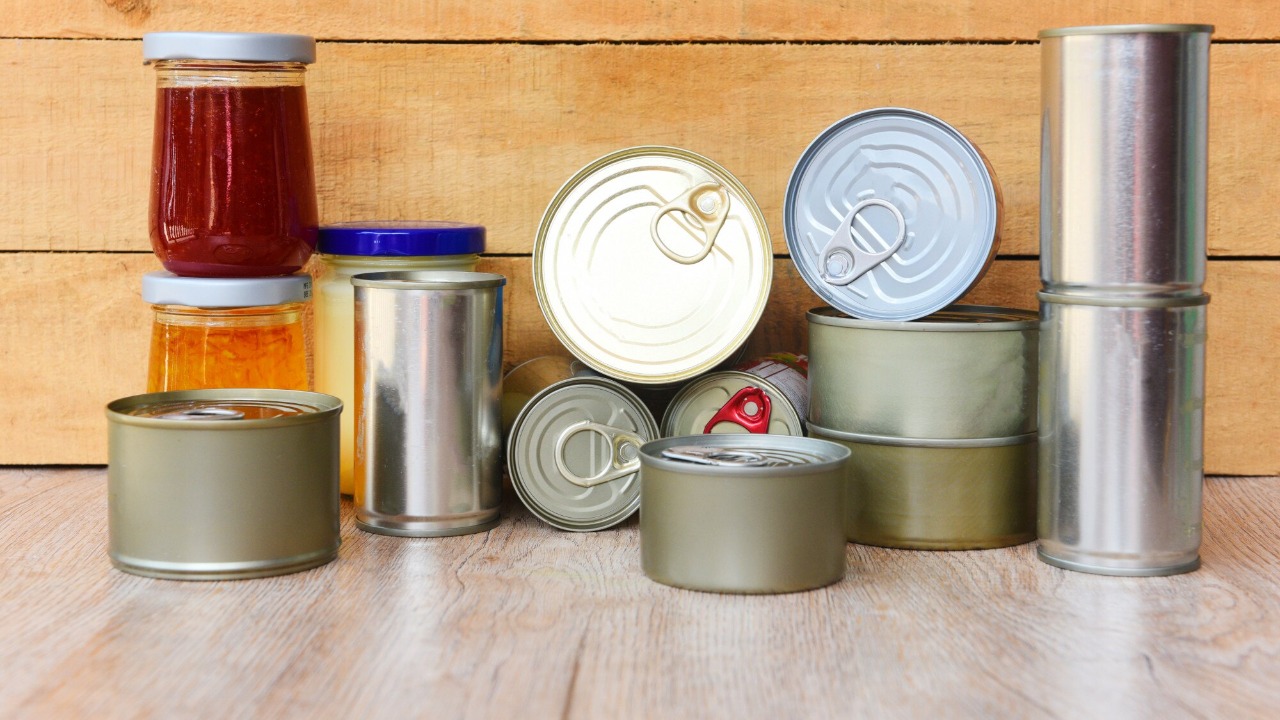
Canned foods are commonly stocked up in pantries due to their convenience and long shelf-life. They are often overlooked when it comes to expiry dates as they are sealed and preserved.
However, while canned foods can last longer than their fresh counterparts, they don’t last indefinitely. According to the USDA, the shelf life of canned foods can range from 1 to 5 years. Therefore, it’s important to regularly check the expiry dates on your canned goods to ensure their safety and quality.

As a mom of three busy boys, I know how chaotic life can get — but I’ve learned that it’s possible to create a beautiful, cozy home even with kids running around. That’s why I started Cultivated Comfort — to share practical tips, simple systems, and a little encouragement for parents like me who want to make their home feel warm, inviting, and effortlessly stylish. Whether it’s managing toy chaos, streamlining everyday routines, or finding little moments of calm, I’m here to help you simplify your space and create a sense of comfort.
But home is just part of the story. I’m also passionate about seeing the world and creating beautiful meals to share with the people I love. Through Cultivated Comfort, I share my journey of balancing motherhood with building a home that feels rich and peaceful — and finding joy in exploring new places and flavors along the way.