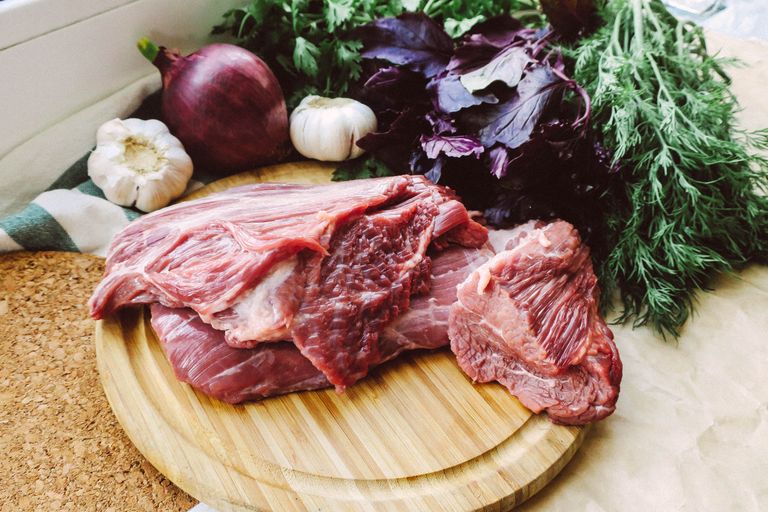
Restaurant menus are designed to tempt you, but sometimes the language does more than just describe the food — it can quietly justify higher prices. Certain buzzwords signal that you might be paying more for style than substance, leaving diners with lighter wallets and not much else.
From vague descriptions to overused marketing terms, here are 14 common menu words that experts say often point to a rip-off.
1. “Artisanal”

When you spot “artisanal” on a menu, it generally implies that the dish is handcrafted with high-quality ingredients. You might be seduced by the thought of a skilled artisan lovingly creating your meal from scratch. However, the term is often overused and has no regulated meaning in the food industry. It’s a buzzword that restaurants use to justify charging more for a dish that may not be significantly different from a non-artisanal counterpart.
As the trend for handcrafted and authentic food experiences grows, more restaurants are using the term “artisanal” to ride the wave. However, discerning diners are becoming more aware of these marketing tactics. As Eater points out, “artisanal” has become a vague and overused term that often doesn’t reflect the quality or craftsmanship of the dish.
2. “Gourmet”

The term “gourmet” is used to denote a high level of culinary sophistication and luxury. When a dish is described as “gourmet,” it implies that it is a cut above the rest in quality and preparation. However, like “artisanal,” “gourmet” is an unregulated term and is often used to inflate prices. The perceived value often leads customers to overlook the actual quality or ingredients of the dish.
According to a report by The New York Times, the term “gourmet” has been democratized to the point of meaninglessness. As more restaurants and food producers label their offerings as gourmet, the term loses its cachet and becomes just another buzzword.
3. “Farm Fresh”
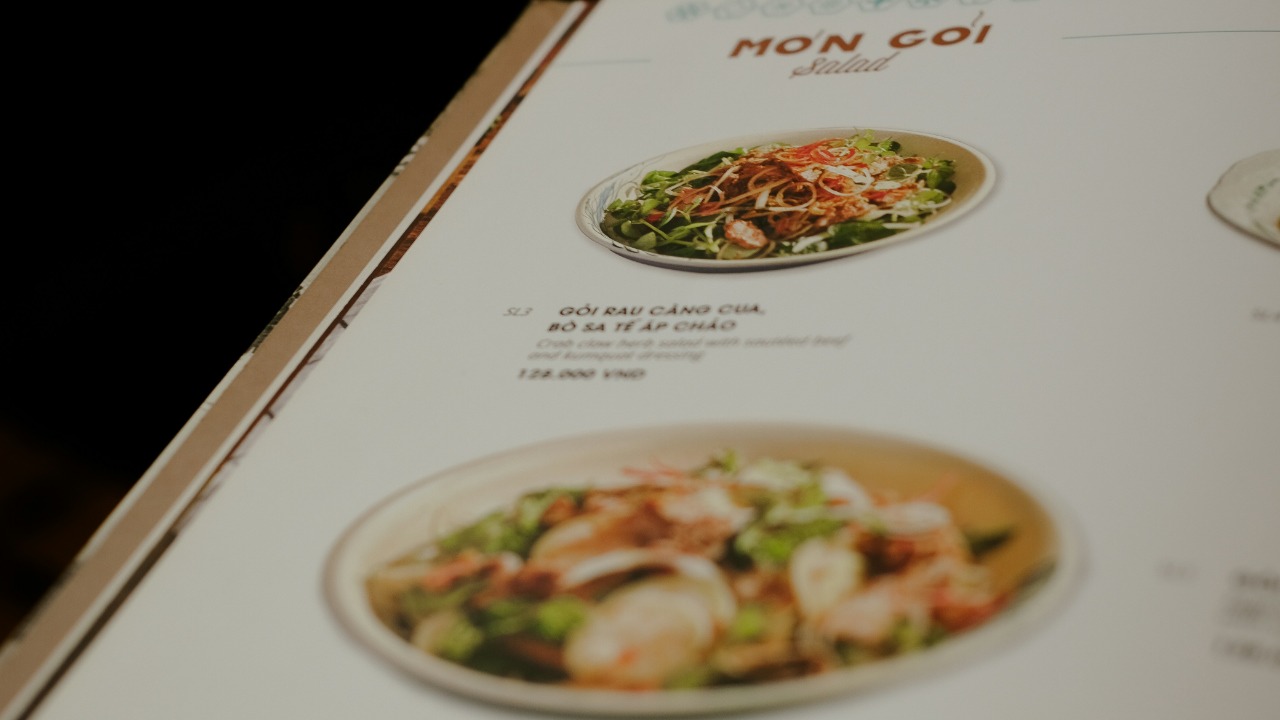
“Farm fresh” is a term that conveys an image of wholesome, just-harvested ingredients straight from the farm. However, in reality, it’s a loosely regulated term with no clear definition. Many restaurants use this term to create a perception of superior quality and justify higher prices. The truth is, without clear evidence or certification, there’s no guarantee that the ingredients are indeed fresh from a farm.
As consumers become more conscious about the origins of their food, terms like “farm fresh” have gained popularity. However, it’s essential to question what it means. According to NPR, the term is often used ambiguously and can be misleading.
4. “Handcrafted”
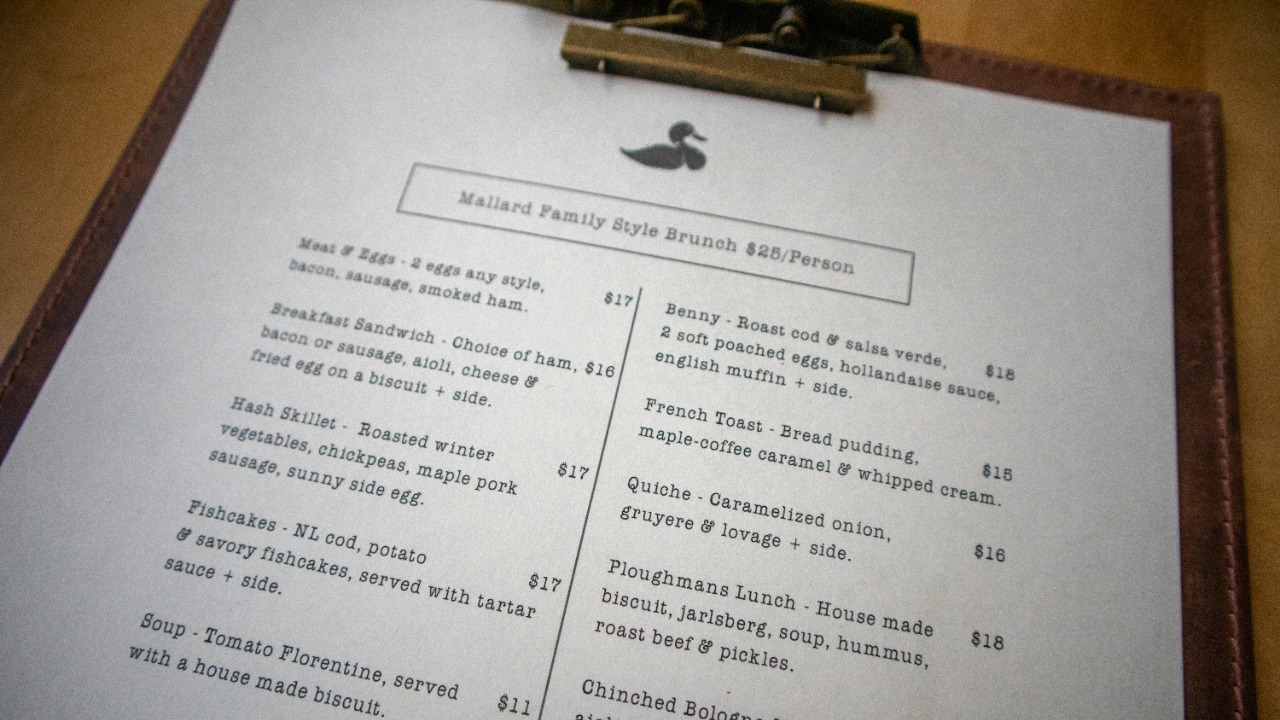
When you see “handcrafted” on a menu, you might picture a chef carefully preparing your meal with their hands. However, the term is often used loosely and can simply mean that a human was involved in some part of the process. It’s often used to create a perception of small-scale production and superior quality, which may not always be the case.
As fast-food chains and restaurants jump on the “artisan” bandwagon, “handcrafted” is becoming a popular buzzword. However, as The Washington Post notes, it’s a term that can be very misleading and is often used as a marketing gimmick.
5. “Premium”
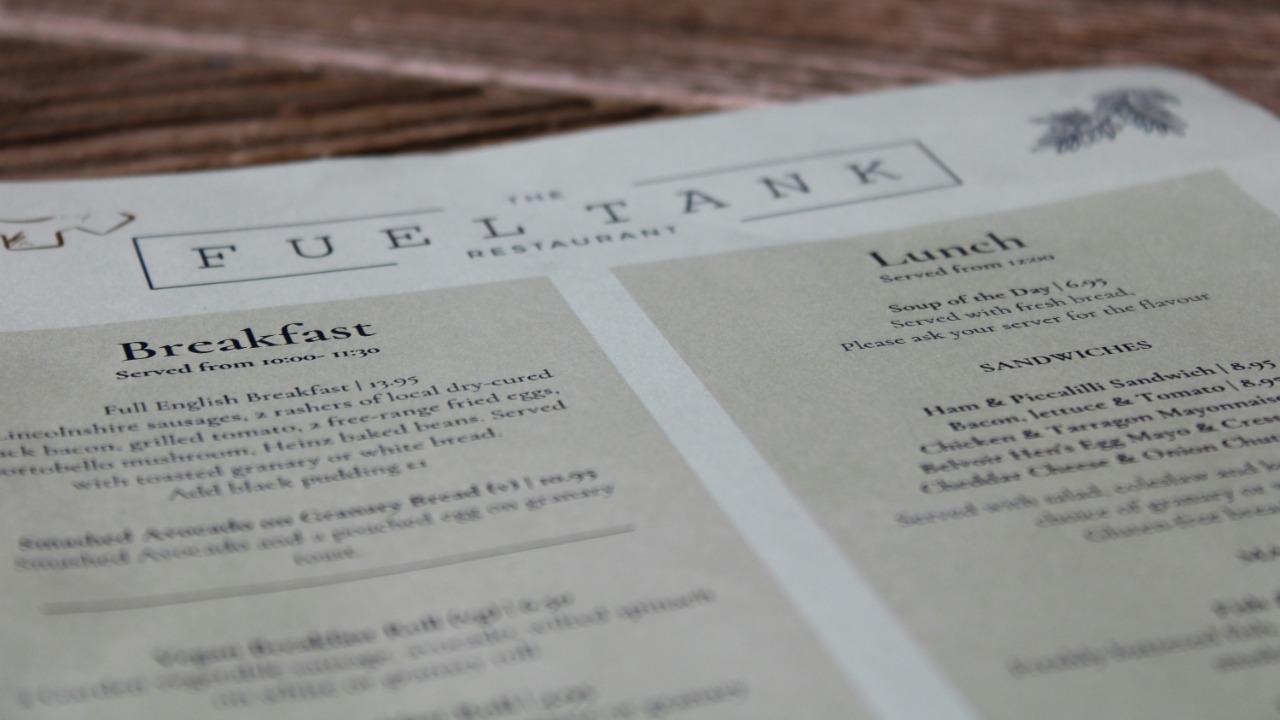
“Premium” is a term often used on menus to denote superior quality or exclusivity. However, it’s another unregulated term in the food industry. It’s often used to create a perception of luxury and justify a higher price. However, without a clear understanding of what makes a dish “premium,” customers can end up paying more for a regular dish.
As consumers become more discerning, they’re questioning what “premium” really means in a restaurant context. According to Consumer Reports, “premium” is a term that’s often misleading and overused.
6. “Homemade”
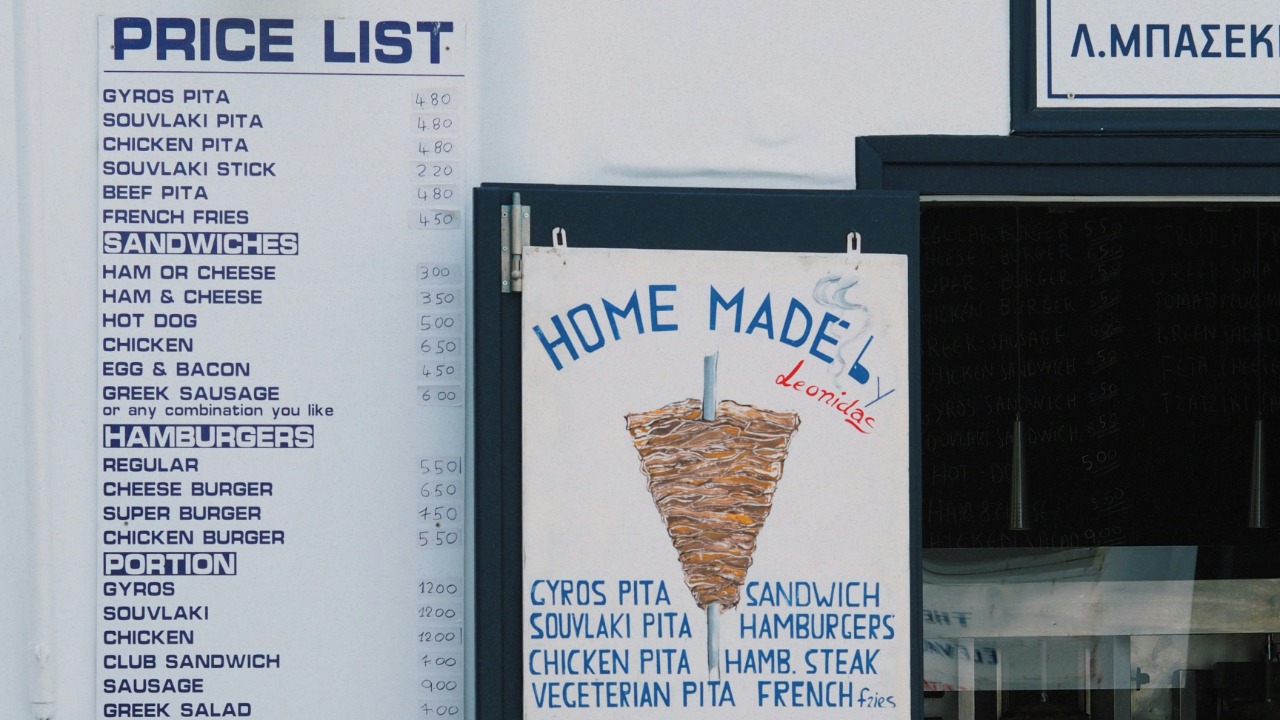
When a dish is described as “homemade,” it implies that it’s made from scratch in the kitchen, just like you would at home. This term can make customers feel that they’re getting a dish that’s made with care and high-quality ingredients. However, “homemade” is not a legally defined term in many places and can be used to describe food that’s simply reheated or assembled on-site.
As reported by Eater, the term “homemade” can be misleading and is often used in ways that differ from consumer expectations.
7. “Authentic”
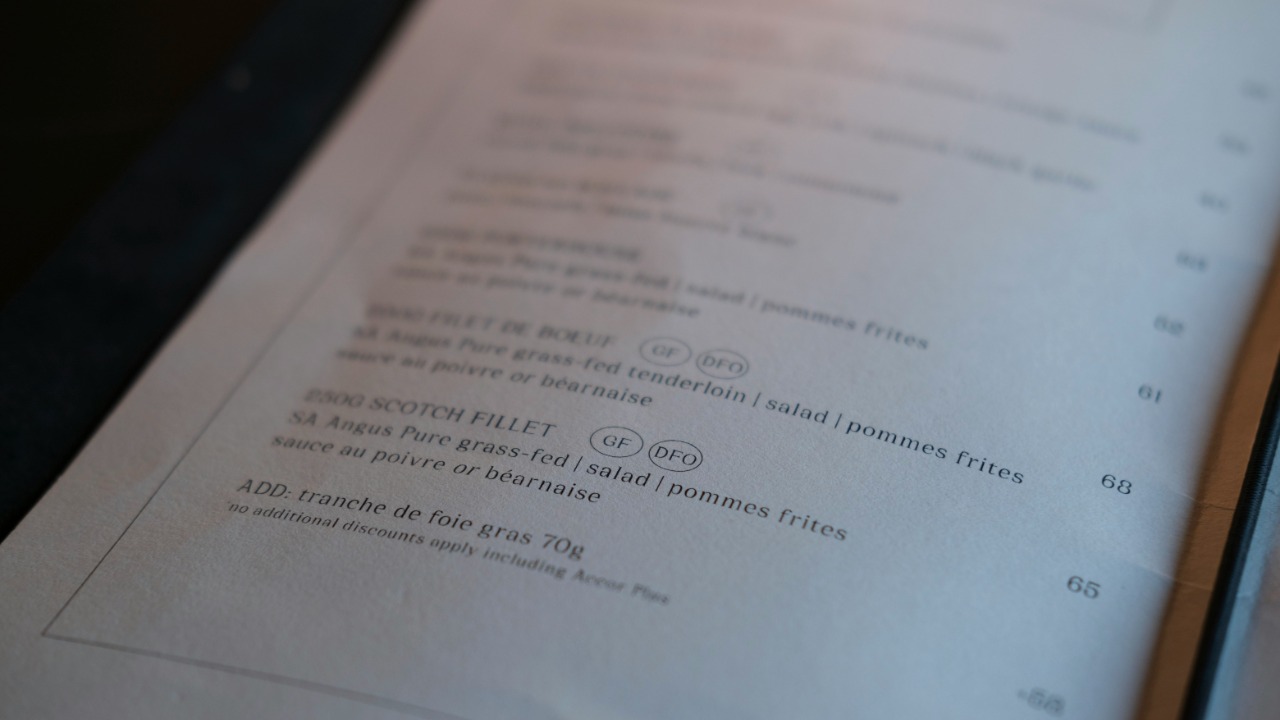
The term “authentic” is often used to describe dishes that are traditional or true to a specific cuisine or culture. However, authenticity is subjective and can vary widely based on personal experiences and cultural understanding. It’s often used to create a perception of cultural legitimacy and superior quality, which may or may not be the case.
As Bon Appétit points out, the term “authentic” is often used vaguely and can be a form of cultural appropriation. It’s essential to understand the cultural context and origins of a dish beyond the label of “authentic.”
8. “Aged”
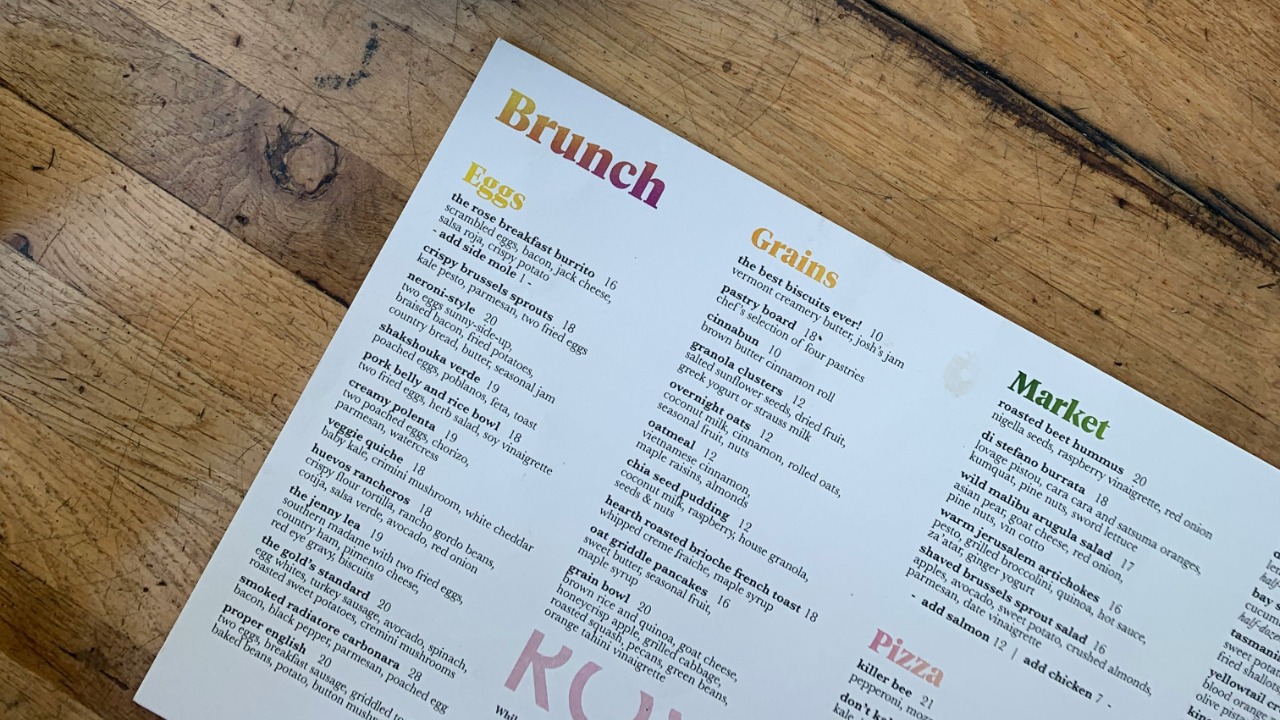
“Aged” is a term often used to describe meats and cheeses that have been matured over time to develop flavor. While aging can indeed enhance the taste and texture of certain foods, it’s often used as a justification for charging more. Without a clear understanding of the aging process and how it enhances the dish, customers can end up overpaying.
According to The Kitchn, aging does change the flavor profile and texture of meat, but it’s important to understand the process and not just pay more for the term “aged.”
9. “Local”
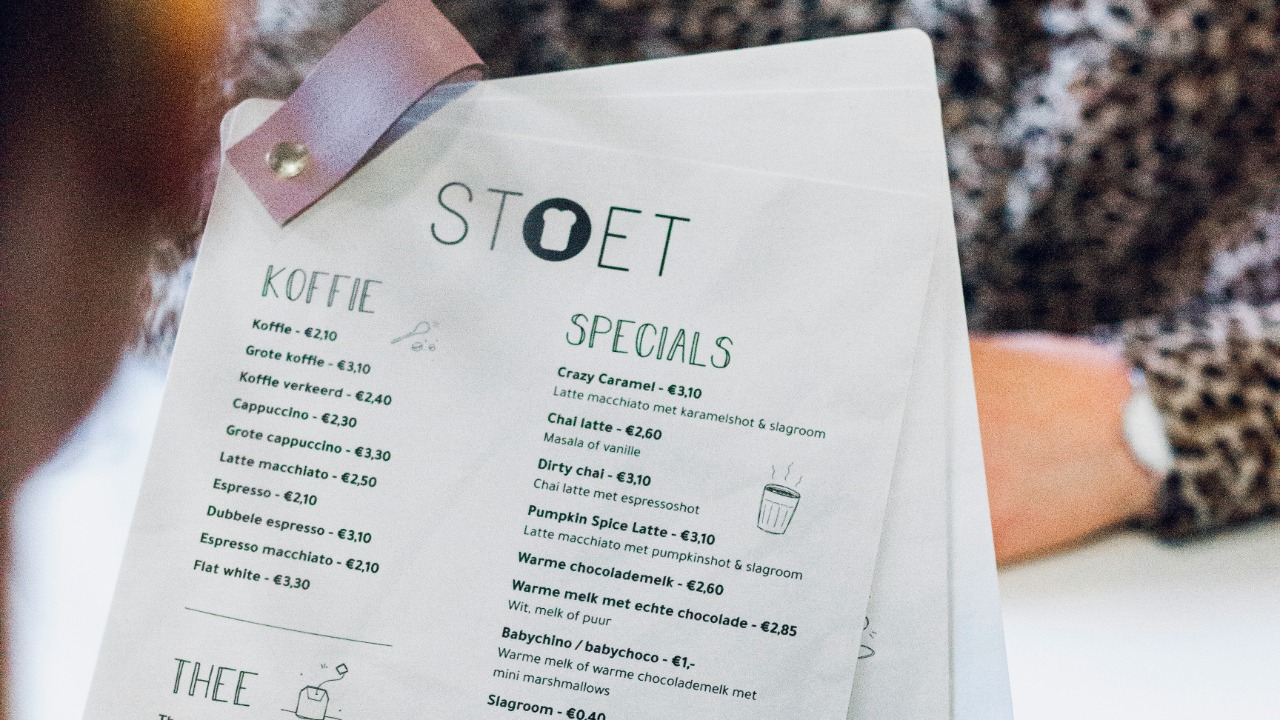
The term “local” is used to imply that the ingredients used in a dish are sourced from local producers. This can make customers feel good about supporting local businesses and consuming fresh produce. However, there is no strict definition of “local” in the food industry, which can lead to it being used loosely and misleadingly.
As NPR reports, “local” is a term that lacks a clear definition and can be used in misleading ways. It’s important to ask what restaurants mean when they say “local.”
10. “Natural”

When a dish is described as “natural,” it suggests that it’s free from artificial ingredients and preservatives. This term can make customers feel that they’re making a healthier choice. However, “natural” is a loosely regulated term in many places and can be used to describe food that simply isn’t synthetic.
As the FDA points out, there is no formal definition for the term “natural” on food labels. It’s important for consumers to understand the lack of regulation and not just rely on the term for healthier choices.

As a mom of three busy boys, I know how chaotic life can get — but I’ve learned that it’s possible to create a beautiful, cozy home even with kids running around. That’s why I started Cultivated Comfort — to share practical tips, simple systems, and a little encouragement for parents like me who want to make their home feel warm, inviting, and effortlessly stylish. Whether it’s managing toy chaos, streamlining everyday routines, or finding little moments of calm, I’m here to help you simplify your space and create a sense of comfort.
But home is just part of the story. I’m also passionate about seeing the world and creating beautiful meals to share with the people I love. Through Cultivated Comfort, I share my journey of balancing motherhood with building a home that feels rich and peaceful — and finding joy in exploring new places and flavors along the way.