Cooking rice may seem simple, but anyone who has faced clumpy, soggy, or undercooked grains knows it takes more care than expected. I made plenty of mistakes in the past, from using the wrong type of rice to misjudging water ratios, but over time I learned how small changes can make a big difference. Here are the mistakes I stopped making and the lessons that helped me cook rice perfectly every time.
1. Choosing the Wrong Type of Rice
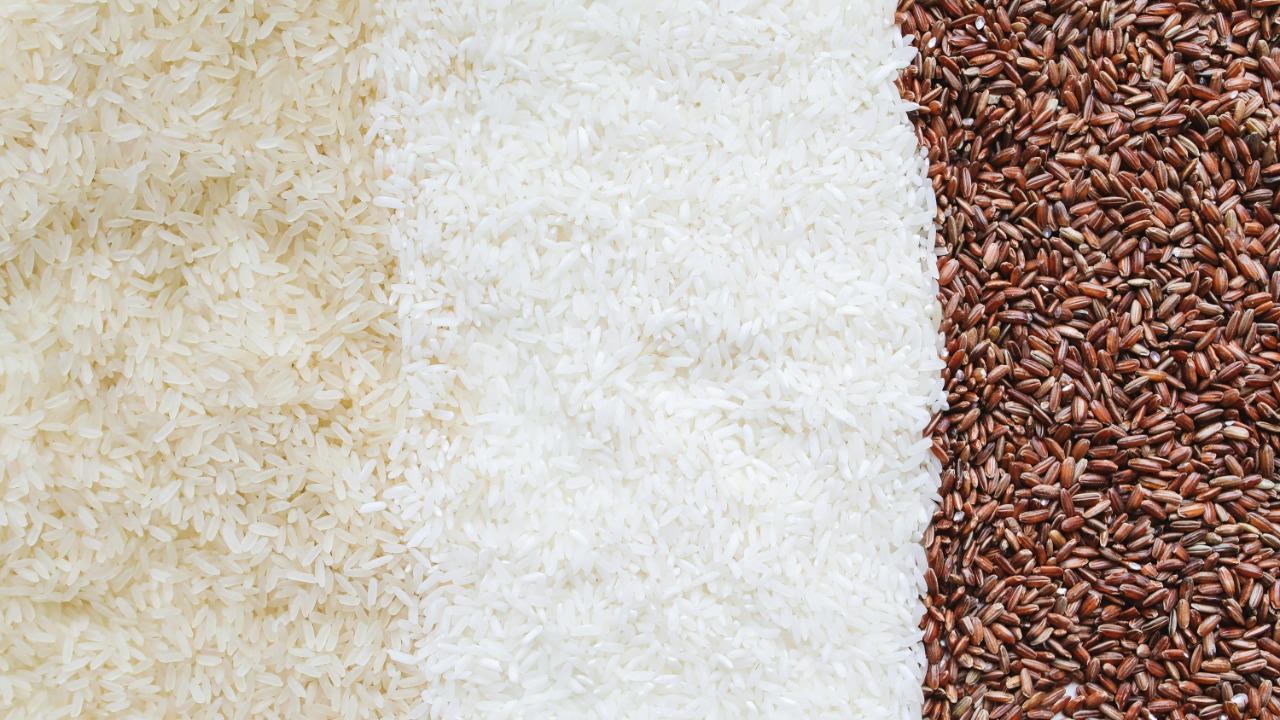
Not all rice is created equal. Different types have distinct starch compositions and cooking requirements. For instance, Jasmine rice is aromatic and sticky, making it perfect for Asian dishes, while Arborio rice’s high starch content makes it ideal for creamy risottos. In the past, I would use any rice I had on hand, but I soon realized that this was a mistake.
To choose the right type of rice for your dish, consider the final texture and flavor you desire. For instance, if you’re making a pilaf, Basmati rice with its long grains and non-sticky texture would be the best choice. Remember, using the wrong type of rice can drastically change the outcome of your dish.
2. Not Rinsing the Rice
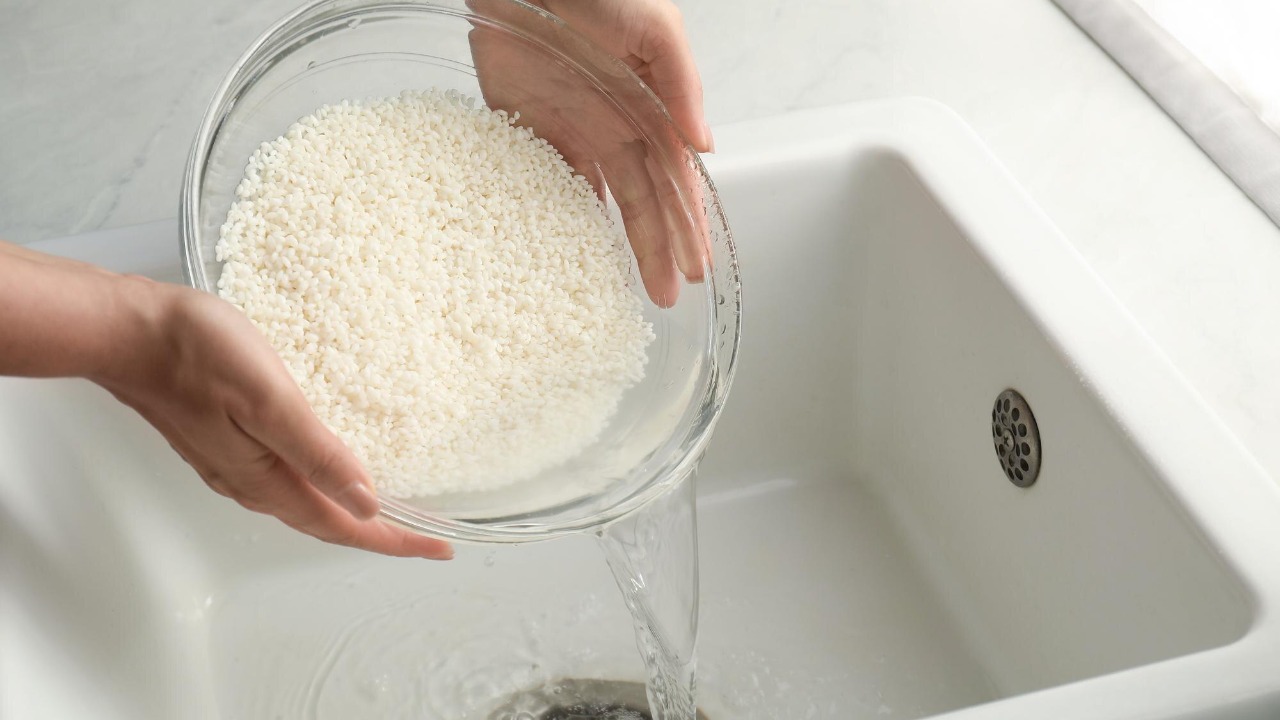
Rinsing rice is a step I used to overlook, thinking it was unnecessary. However, it’s actually a critical part of the cooking process. Rinsing removes the surface starch that can cause rice to clump together and become gummy during cooking. I’ve found that skipping this step can significantly affect the texture of the final product.
To properly rinse rice, place it in a large bowl, cover it with cold water, and gently swish it around with your hand. You’ll notice the water becoming milky. Drain the water and repeat the process until the water is mostly clear. This small step can make a huge difference in the texture of your cooked rice.
3. Incorrect Rice to Water Ratio
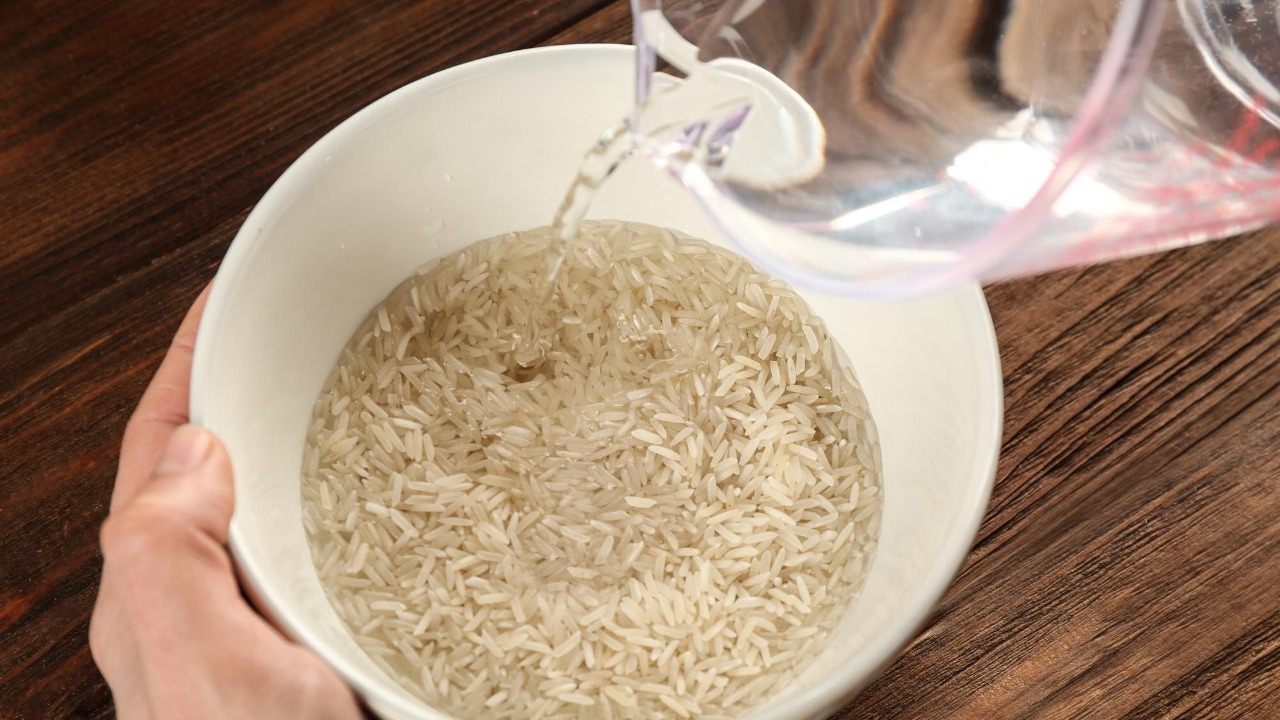
One of the biggest mistakes I used to make was not using the correct amount of water for the amount of rice I was cooking. Too much water can result in soggy, overcooked rice, while too little can lead to undercooked or burnt rice. Understanding the correct rice to water ratio is key to achieving perfectly cooked rice.
The general rule of thumb is to use a 2:1 water to rice ratio for long-grain white rice. However, the ratio can vary depending on the type of rice. For instance, brown rice requires more water due to its outer bran layer. Through trial and error, I’ve found that using a 2.5:1 ratio works best for brown rice.
4. Using the Wrong Cooking Method
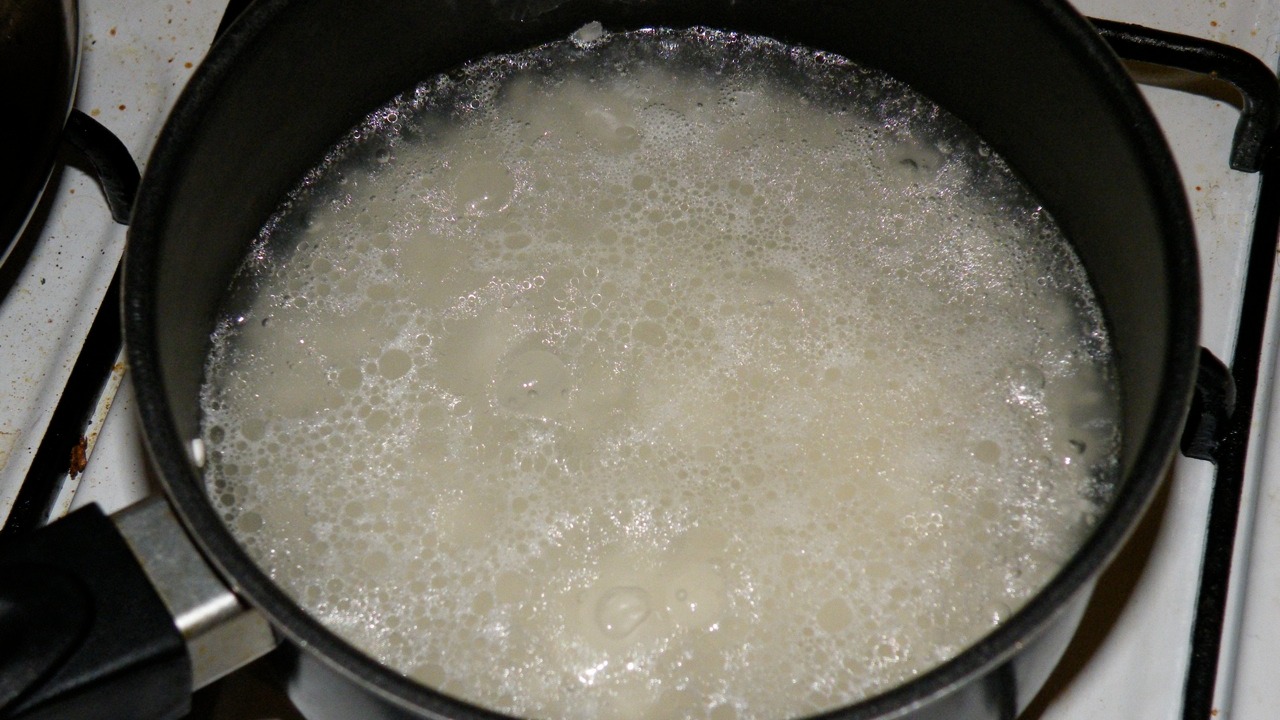
There are various ways to cook rice, and each method has its own set of rules and benefits. I used to stick to the stovetop method, but I’ve since realized that different types of rice might require different cooking methods.
For example, basmati rice is best cooked using the absorption method, where the rice absorbs all the water it’s cooked in. On the other hand, sushi rice benefits from being cooked in a rice cooker because it requires precise temperature control. By understanding the different cooking methods and when to use them, you can greatly improve the quality of your cooked rice.
5. Not Soaking the Rice
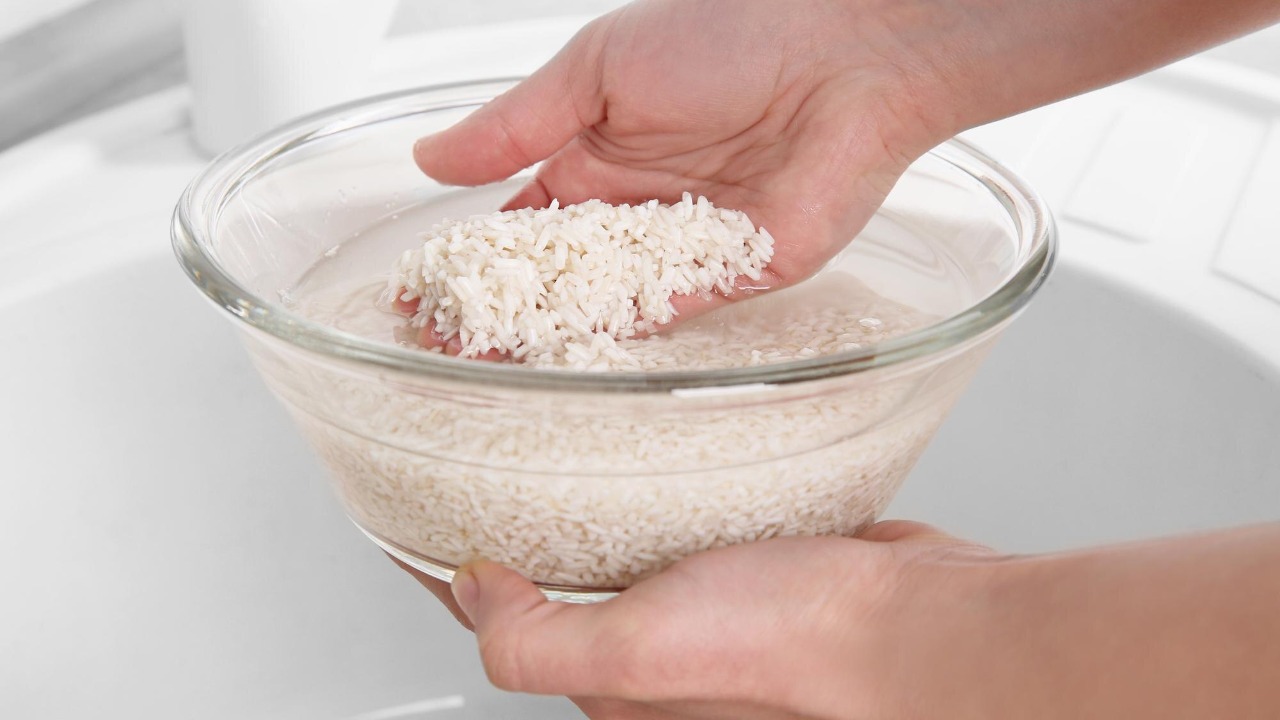
I used to skip soaking rice because I thought it was an unnecessary step. However, I’ve since learned that soaking rice can significantly improve its texture and reduce cooking time. Soaking softens the grains, allowing them to absorb water and cook more evenly.
The soaking time can vary depending on the type of rice. For instance, brown rice benefits from a longer soaking time of at least two hours, while white rice can be soaked for just 20 to 30 minutes. Remember, soaking is an important step in achieving fluffy, evenly cooked rice.
6. Stirring the Rice While Cooking
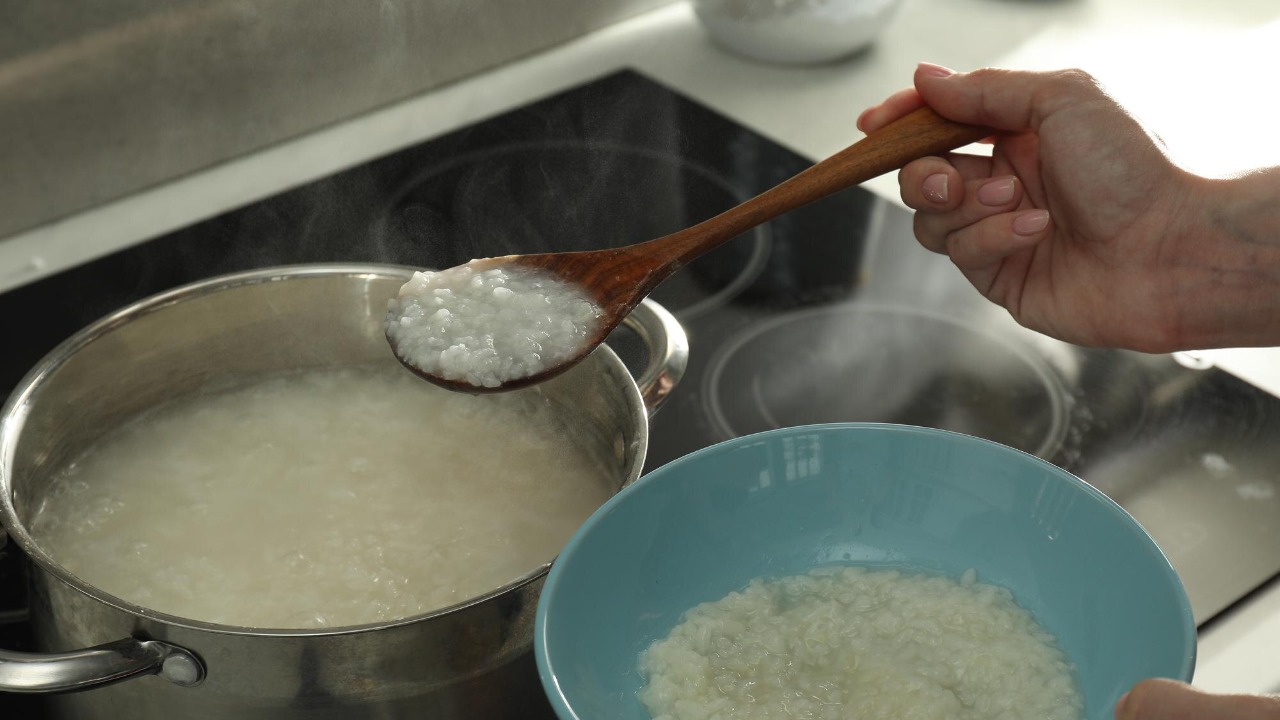
Contrary to what you might think, stirring rice while it’s cooking can actually be detrimental. I used to stir my rice frequently, thinking it would prevent sticking. However, this can cause the grains to break, release more starch, and result in a sticky, mushy texture.
Instead, after the initial stir to prevent the grains from clumping, it’s best to leave the rice alone to cook. If you really need to stir the rice, do so gently and only when necessary. Remember, patience is key when cooking rice.
7. Not Allowing the Rice to Rest After Cooking
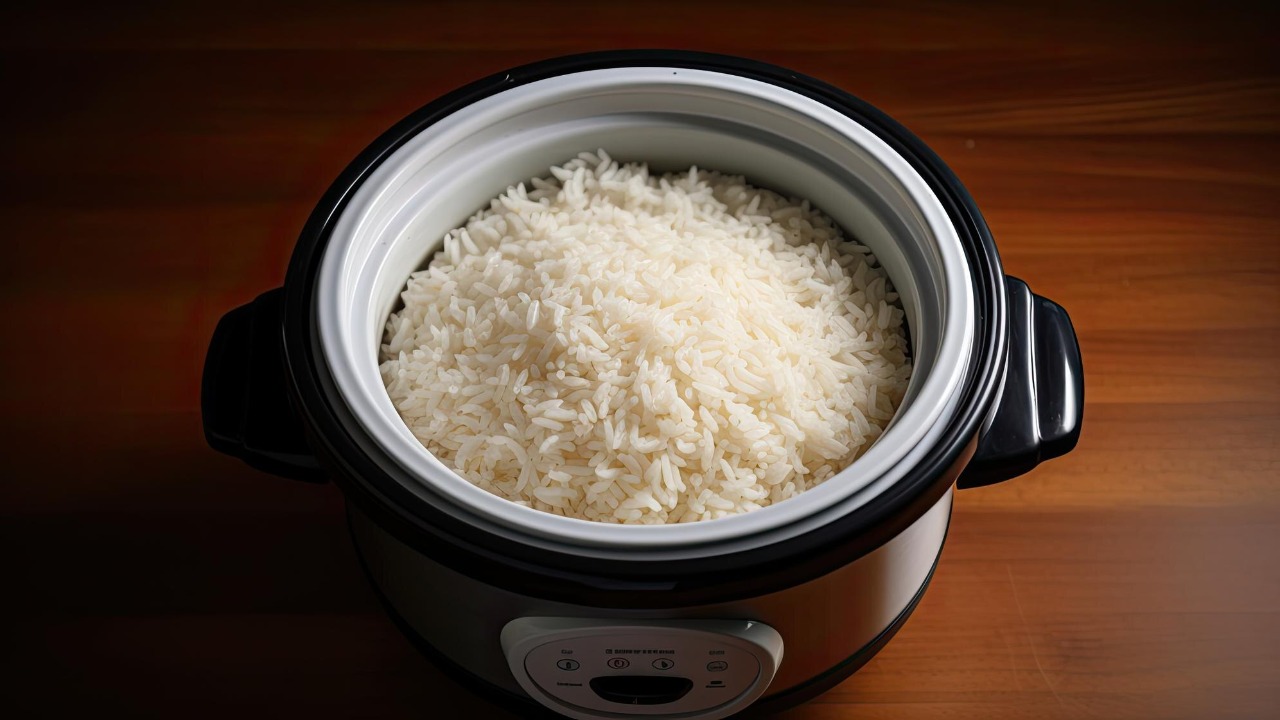
One of the mistakes I used to make was serving the rice immediately after cooking. I’ve since learned that allowing the rice to rest after it’s cooked can improve its texture. Resting allows the moisture to redistribute, resulting in a more uniform texture throughout.
The resting time can vary depending on the type of rice. For example, white rice can rest for about 10 minutes, while brown rice benefits from a longer rest of at least 15 minutes. By allowing your rice to rest, you’ll be rewarded with fluffier, more evenly cooked grains.
8. Storing Cooked Rice Improperly

Storing cooked rice improperly was a mistake I used to make regularly. Improper storage can lead to dry, hard rice or, worse, bacterial growth. I’ve since learned the importance of storing rice properly to maintain its quality and safety.
To store cooked rice, allow it to cool to room temperature, then transfer it to an airtight container and refrigerate it within two hours of cooking. Cooked rice can be stored safely in the refrigerator for up to four to six days. Remember, proper storage is key to maintaining the quality and safety of your cooked rice.
By correcting these eight common mistakes, I’ve significantly improved the quality of my cooked rice. These changes might seem small, but they can make a world of difference in the final product. I encourage you to implement these changes into your rice cooking routine.
Start by choosing the right type of rice for your dish, rinse it properly, and use the correct rice to water ratio. Select the appropriate cooking method, soak your rice when necessary, refrain from stirring it while cooking, and allow it to rest after cooking. Lastly, store your cooked rice properly to maintain its quality and safety. By making these adjustments, you too can achieve perfectly cooked rice every time.

As a mom of three busy boys, I know how chaotic life can get — but I’ve learned that it’s possible to create a beautiful, cozy home even with kids running around. That’s why I started Cultivated Comfort — to share practical tips, simple systems, and a little encouragement for parents like me who want to make their home feel warm, inviting, and effortlessly stylish. Whether it’s managing toy chaos, streamlining everyday routines, or finding little moments of calm, I’m here to help you simplify your space and create a sense of comfort.
But home is just part of the story. I’m also passionate about seeing the world and creating beautiful meals to share with the people I love. Through Cultivated Comfort, I share my journey of balancing motherhood with building a home that feels rich and peaceful — and finding joy in exploring new places and flavors along the way.