

Cottage cheese dollar sales hit roughly $2.1 billion for the 52 weeks ending February 22, up 19% year-over-year, according to market research firm Circana’s data reported by Dairy Foods. Unit sales climbed even faster, up 14% to 635 million units sold. A tub that used to sit quietly next to the sour cream is now one of the fastest-growing items in the entire dairy case — and it’s stopped staying in its breakfast lane.
This has been building for years, not months
The current boom isn’t a sudden spike; it’s the continuation of a multi-year climb. The National Milk Producers Federation traces the recovery back to a 2022 low point of 534.6 million pints sold, followed by volume growth of 9.4% in 2023, 12.5% in 2024, and 14.3% in 2025, when sales reached 746.6 million pints. USDA per-capita consumption data cited by NMPF backs up the trend on an individual level too: the average American ate 1.91 pounds of cottage cheese in 2022, climbing to 2.37 pounds by 2024.
Worth noting: even at that growth rate, Americans are still eating far less cottage cheese than they did at the category’s actual historic peak. NMPF’s own figures put 1976 per-capita consumption at 4.63 pounds per person — nearly double today’s number. This isn’t cottage cheese hitting an all-time high so much as it’s climbing back from a decades-long slide, with plenty of room left to keep growing before it approaches where it used to be.
Who’s actually winning the shelf
Private label still leads the category in raw dollars, pulling in $673 million with 10% growth — store brands remain the default pick for a lot of shoppers. But the branded players are growing much faster off a smaller base: Daisy Brand posted $441 million in sales, up 25%, while Lactalis Heritage jumped 28% to $284 million and better-for-you brand Good Culture grew 24% to $233 million. Dairy Foods reports Circana’s own analysts describing the broader cultured dairy category, cottage cheese and yogurt especially, as having had “a fantastic year,” with cream cheese and sour cream flagged as the categories most likely to catch the same momentum next.
Why it’s showing up in savory dishes now
The protein math is what’s pulling cottage cheese out of the breakfast bowl and into dinner. A standard cup of 4% cottage cheese carries roughly 25 grams of protein for well under 250 calories, and once it’s blended smooth in a food processor, it loses its curdy texture entirely and behaves like a thick, tangy dairy base — which makes it a near-invisible way to boost protein in dishes that were never marketed as “protein foods” in the first place.
That blending step is the whole trick, and it’s why the savory shift has taken off as quickly as it has. Unblended cottage cheese has a distinct curd texture that a lot of people find off-putting in a casserole or a sauce; run it through a blender or food processor for 30-45 seconds and it turns into something closer to a thin ricotta or a tangy sour cream, with none of the lumps. That single step is the difference between a recipe that reads as a diet hack and one that just tastes like a good dish that happens to be higher in protein than it looks.

- High-protein mac and cheese: Blend 1 cup cottage cheese until completely smooth, then stir it into 1 cup melted sharp cheddar with a splash of milk before tossing with hot pasta. It adds roughly 14 extra grams of protein per serving and makes the sauce silkier, not grainier, once fully blended.
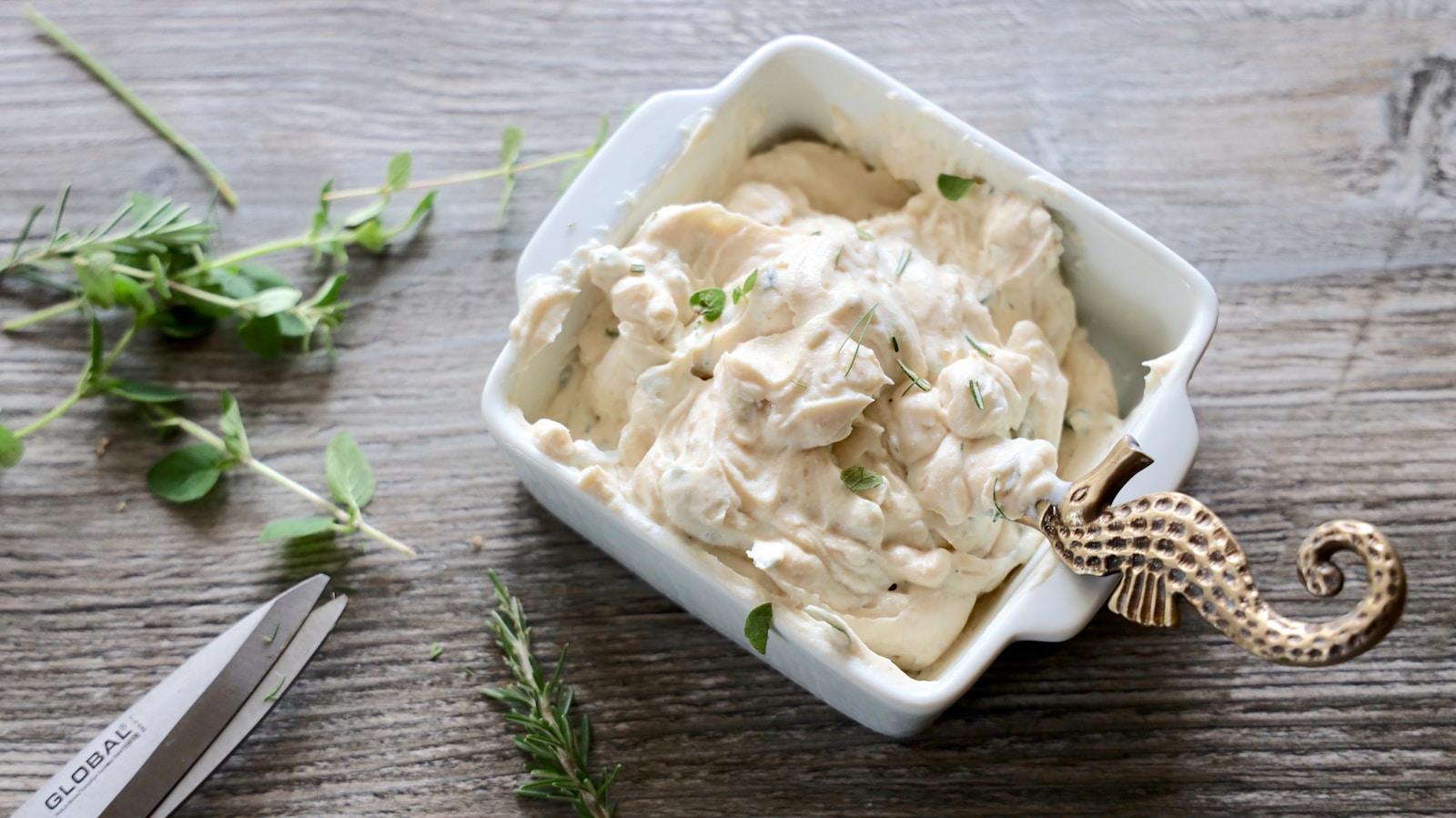
- Whipped cottage cheese dip: Blend 2 cups cottage cheese with 2 tablespoons olive oil, a clove of garlic, and a squeeze of lemon juice until it’s the texture of whipped feta. Top with everything bagel seasoning or a drizzle of hot honey and serve with raw vegetables or warm pita.
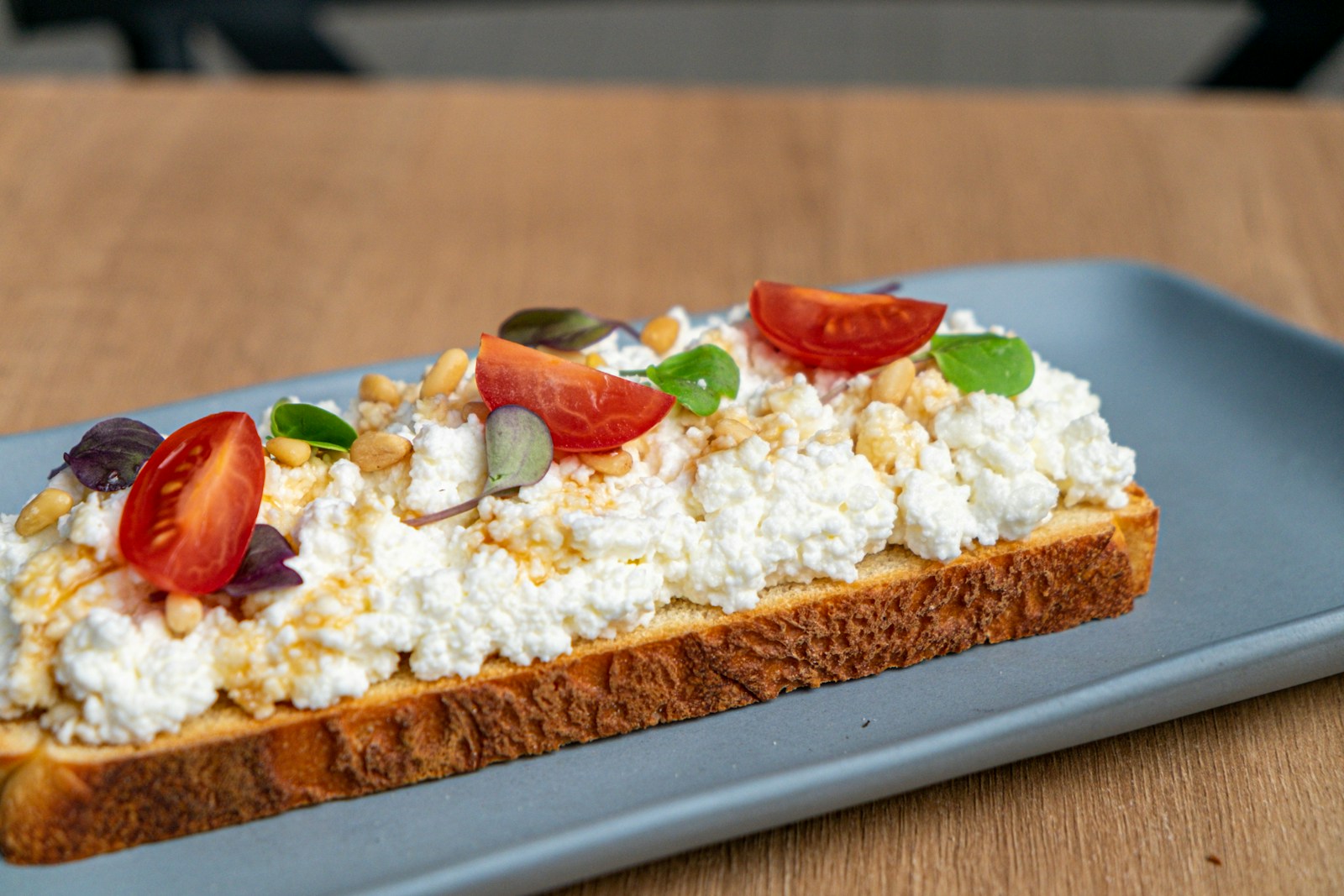
- Savory cottage cheese toast: Spread blended cottage cheese thick on toasted sourdough, finish with cracked black pepper, flaky salt, a drizzle of olive oil, and a spoonful of chili crisp. It’s a faster, higher-protein riff on avocado toast that costs a fraction as much per serving.
None of this is a fad diet trick — it’s a decades-old product finally getting used the way its protein content always justified. Cottage cheese spent 40 years shrinking into a diet-food afterthought; this is what it looks like when the category figures out it belongs in the dinner rotation, not just next to the fruit cup.
