Few topics get a dinner table arguing faster than tipping, and one short post from @captain.t.roll has pulled millions of people into the debate. His story is brief. He left an $18 tip, got his receipt back, and found a handwritten message on it that read, in his words, “people like you ruin the service industry.” Then he asked a question that clearly hit a nerve: in what world is an $18 tip not good enough?
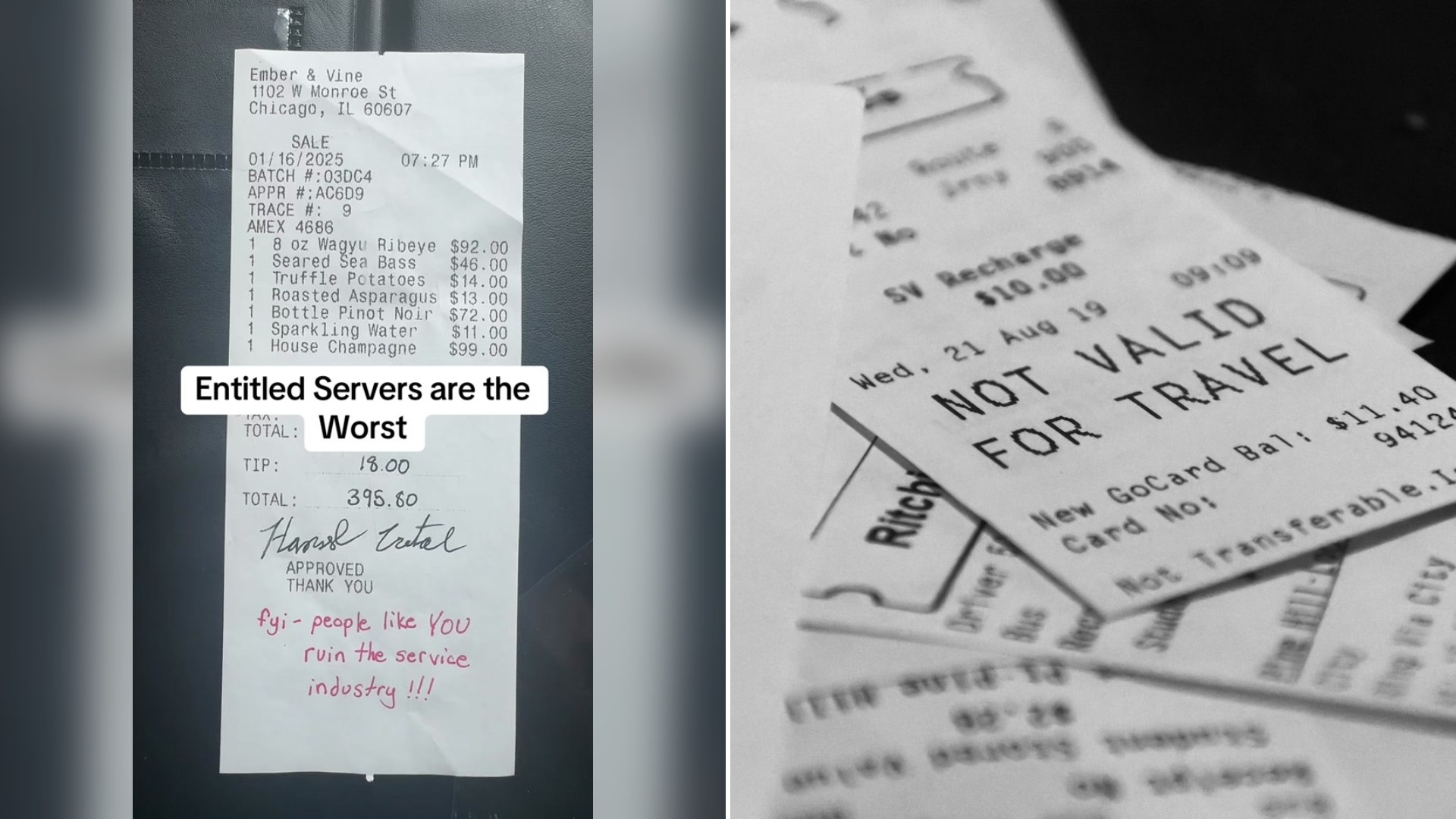
That one sentence has drawn thousands of comments, and it is easy to see why. Both sides of the argument feel strongly, and both have a point worth hearing.
@captain.t.roll
What he said and what we do not know
In the short post, he explains his view clearly. He says he tips based on the service he receives, not on the size of the total bill. In his caption he adds that a server who made $18 from one table should not complain about deserving more, and says that attitude is making him not want to go out to eat.
What we do not know is just as important. The post does not say how large the bill was, how many people were at the table, or how the service went from the server’s side. It does not say who wrote the note, it does not show anyone’s reaction, and it ends with a promise of a part two. Without those details, nobody can say whether $18 was a generous tip, a fair one, or a small one. An $18 tip on a $60 meal is thirty percent. On a $180 meal for a big party, it is ten percent. The same number can mean very different things.
The note itself is also one-sided information. It reads as a sharp comment, and most people agree that writing something pointed on a customer’s receipt is not the best way to raise a concern. But we only hear about it from the guest.
Why a percentage feels fair to servers
To understand the other side, it helps to know how restaurants work. In much of the United States, the federal minimum cash wage for tipped employees is $2.13 an hour, with tips expected to bring the pay up to the regular minimum wage. Some states set higher figures, but many servers rely on tips for most of their income.
A server’s workload also tends to follow the bill. A big meal with appetizers, drinks, refills, and dessert takes more trips, more attention, and more time at the table. Because of this, many servers and restaurant owners see a percentage, commonly fifteen to twenty percent or more, as the fairest measure. A flat amount, even a generous one, can feel low when a table lingers for hours and orders a lot.
Why a customer might feel differently
Guests have their own reasons for being frustrated. Menu prices have risen, and tip screens now appear at coffee counters and takeout windows, which many people call tip fatigue. Some customers feel that a percentage means the tip grows every time prices go up, even though the work stays the same. Someone ordering an expensive bottle of wine, for example, does not necessarily create more work for the server than someone ordering a soda.
That is the heart of the argument in this story. He pays for the effort he sees, not the number at the bottom of the check. It is a view plenty of people share, and it is not unreasonable. The disagreement comes down to whether a tip is a payment for work, a thank you, or a share of the bill.
What to do if you feel a tip was handled badly
If you are ever in the same position, whether you left the tip or received it, a few steps can keep things civil:
- Ask a manager to step in. If a note on a receipt feels rude, calmly speaking to the manager is more productive than responding online or at the table.
- Keep the facts straight. Share the bill, the tip, and what happened, without guessing at what the other person was thinking.
- Know the house policy. Large parties are often charged an automatic gratuity, which is usually printed on the menu or receipt.
- Tip in a way you can stand behind. Some people tip a percentage, others tip by service, and others use a rule of thumb. Whatever you pick, being consistent keeps it from feeling arbitrary.
- Speak to the server if you are the guest and had a complaint. A quick word during the meal often fixes a problem before a tip is ever on the table.
A debate that is not going away
Tipping customs have changed a great deal in recent years, and people on both sides feel stretched. Servers feel pressure from rising costs and uncertain income. Diners feel pressure from higher prices and more tip requests. That is why a single receipt can turn into a national conversation.
The most useful lesson may be a gentle one. Whatever your view, a respectful word goes further than a pointed note. If service was good, say so. If it was not, say that too, and say it to someone who can help. And if you are on the receiving end of a tip you think is too low, remember that the person on the other side may not know the whole story, just as we do not know the whole story here. With part two still to come, there may be more to learn.