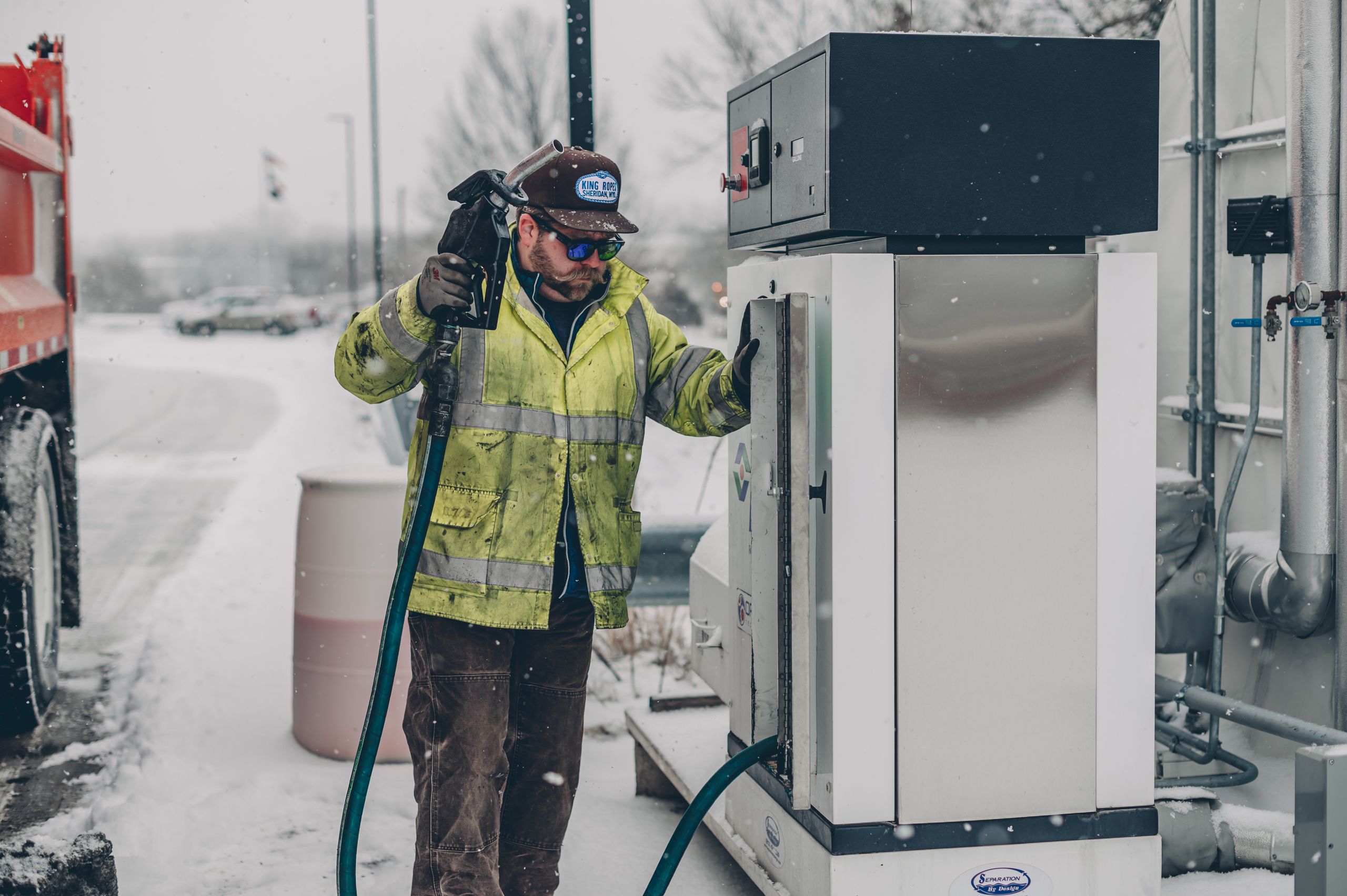
The national average price for a gallon of regular gasoline hit $4.10 on August 20, 2026, the highest that date has ever seen, and the month is now on track to become the most expensive August at the pump in history, according to AAA’s own price-tracking data.
Key Points
- The national average climbed to $4.1044 a gallon as of August 21, up from $4.0715 the week before and $3.1337 a year ago, according to AAA.
- August’s monthly average of roughly $4.06 already tops the previous record for the month, $3.97, set back in 2022.
- West Texas Intermediate crude climbed to $85.83 a barrel this week amid what AAA calls “continued uncertainty along the Strait of Hormuz.”
- California ($5.58), Hawaii ($5.42) and Washington ($5.24) remain the priciest states for gas, while Indiana ($3.56), Texas ($3.64) and Tennessee and Mississippi (tied at $3.66) are the cheapest.

It’s not a straightforward supply crunch. Gasoline demand actually fell over the past week, from 8.96 million barrels a day down to 8.68 million, and domestic supplies grew from 208.7 million to 209.4 million barrels, with refiners pumping out 9.7 million barrels a day, per AAA’s data. Normally that combination, softer demand, fatter stockpiles, pulls prices down. This time it hasn’t been enough to offset what’s happening with crude.
That’s because the price of gas at the pump tracks the price of oil more than it tracks what drivers are actually buying, and oil traders have spent August pricing in risk around one of the world’s most important shipping chokepoints. Early in the month, crude sat closer to $70 a barrel on hopes that Strait of Hormuz traffic would normalize; by mid-August, with that uncertainty still unresolved, crude had climbed back into the $80s and pulled gas prices with it. The national average actually dipped to $4.00 in mid-August before reversing and climbing 10 cents in a matter of days, a swing local outlets have flagged as unusual for this point in the summer.
Roughly half of U.S. states are still paying under $4 a gallon, so the pain isn’t evenly spread, drivers in the Gulf Coast and parts of the Midwest are seeing far smaller increases than those on the West Coast. But with Labor Day travel around the corner and crude prices still unsettled, AAA’s own numbers suggest relief isn’t imminent for anyone banking on a pre-holiday dip.
The year-over-year comparison is the starkest number in AAA’s data: today’s $4.10 average sits nearly a dollar above the $3.13 drivers paid on the same date last year, a jump of roughly 31%. For a driver filling a 15-gallon tank twice a week, that gap alone adds up to more than $290 in extra fuel spending over a year. Anyone planning a Labor Day road trip should factor that difference into the budget now rather than at the pump.