
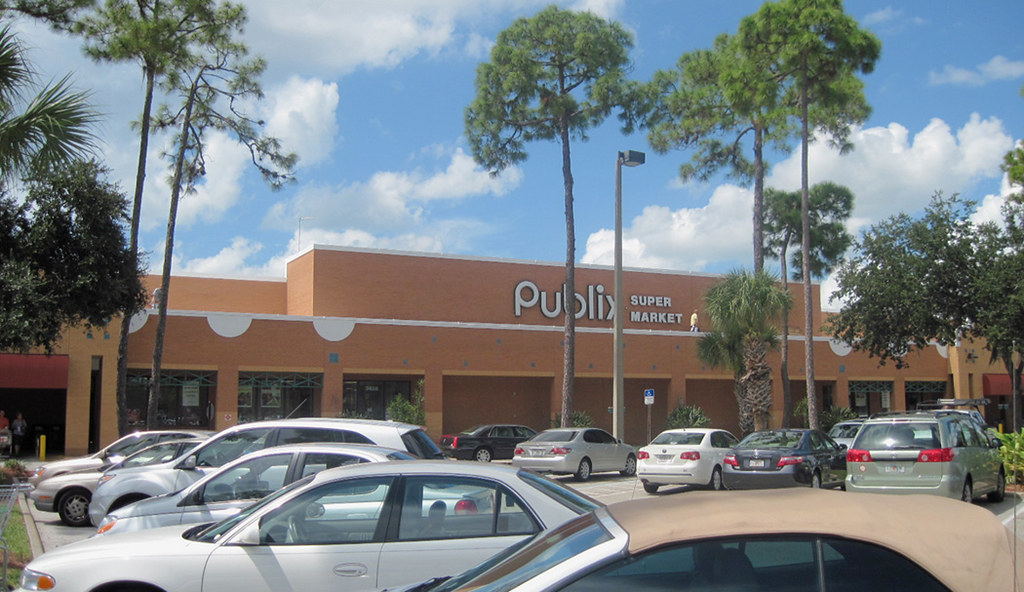
It was just another sunny afternoon when a Reddit user stumbled upon a rather perplexing situation outside a Publix grocery store. With a budget-friendly goal in mind, this user had just completed a coupon run, snagging a deal on a bunch of bagels for under a dollar. As they walked back to their car, a nearby mother with two young kids approached, visibly in need of assistance.
“Excuse me,” she said, her voice laced with urgency. “Do you think you could help us?” The user stopped, taken aback by the request. They replied honestly, “I don’t know, what do you need?” The mother quickly responded, “Not money, just food.” Right then, the user’s heart sank slightly. This was a familiar scene—someone in need asking for help, but the specifics could often sway the situation into one of disappointment.
With a quick glance at the bag of bagels still clutched in their hand, the user thought this might be the perfect opportunity to help out. “I just got these bagels,” they offered. “They’re fully cooked, you can just eat them.” It seemed like an easy solution. But the mother looked at the bagels with disdain, her expression shifting from hope to skepticism. “I don’t have any way to cook those,” she replied, her tone now slightly defensive.
Confused, the user responded, “But they’re already cooked. You can just eat them.” The mother’s response was unexpected. “Well, my kids won’t eat those,” she said, brushing off the offer as if it were garbage.
At this point, the user was trying to think of alternative options. Perhaps they misread the situation. “Okay, well if you walk left and go past this parking lot, there’s a food pantry on the other side,” they explained. “They’re open RIGHT NOW and you can even let your kids pick out a little treat.” The user was eager to help, feeling that pointing her in the direction of assistance might be more beneficial than just handing over a bag of bagels.
But the mother didn’t seem to acknowledge this suggestion. She simply ignored the user’s directions, her attention darting around as if searching for someone else to help her. The user felt a pang of frustration. Why was she unwilling to consider the help being offered? It seemed like the user’s offer of bagels and directions to the food pantry were falling on deaf ears.
As the user stood there, watching the mother turn away in search of another person to ask for help, a feeling of disbelief washed over them. Was it really that unreasonable to expect someone to accept a generous offer? They had just witnessed a clear illustration of entitlement—this mom was outside a grocery store, asking for food but rejecting the help that was readily available.
“Look,” the user thought to themselves, “you just expect someone to go into an expensive grocery store to buy you random stuff?” They couldn’t shake the feeling that the mother’s actions didn’t align with her claims of being hungry. It left the user feeling conflicted. Was it wrong to feel this way? After all, they were there with an offer to help, yet it was essentially brushed aside as if it were meaningless.
The situation prompted the user to reflect on what it means to be truly in need. The mom had come asking for help but seemed unwilling to make any effort towards the solutions presented to her. Instead of taking the bagels or even following the user’s directions to the pantry, she chose to move on, hoping perhaps for something more tailored to her expectations.
As the user walked away, they couldn’t help but feel a twinge of irritation mixed with a hint of sympathy. Yes, people need help, but sometimes that help comes with an element of compromise, and it seemed in this case, the mother wasn’t willing to meet halfway. The world of asking for help can often lead to surprising encounters like this one—where expectations clash with reality, leaving those willing to help feeling bewildered.
More from Cultivated Comfort:
- 7 Vintage Home Items From the ’60s That Are Collectors’ Dream Finds
- 7 Vintage Home Goods That Became Collectors’ Gold
- 7 Fast-Food Chains That Changed for the Worse
- 7 Frozen Dinners That Were Better Back in the Day