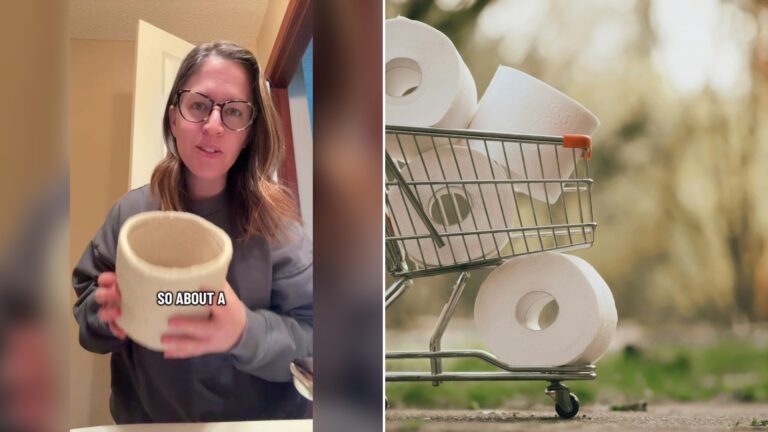
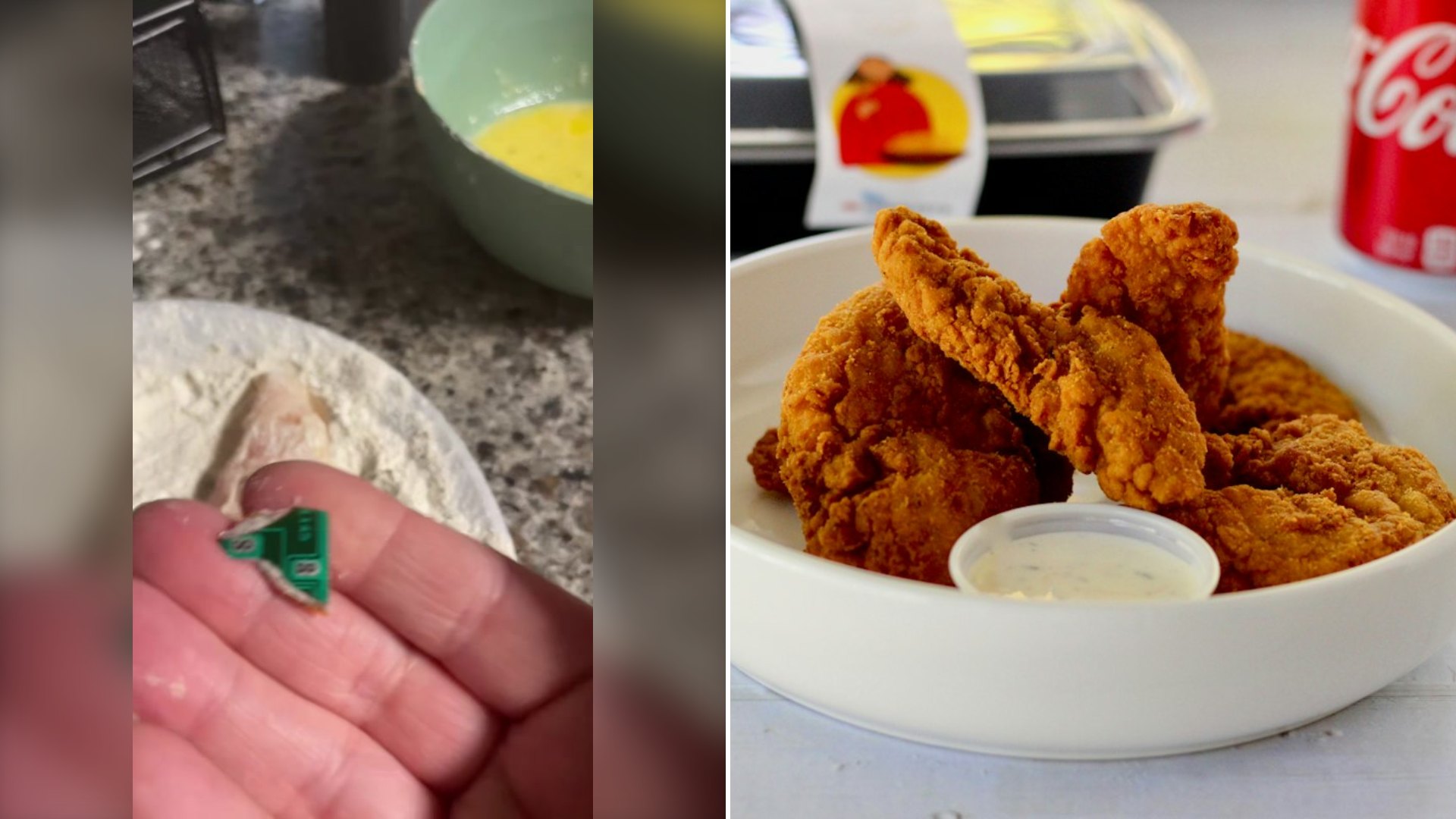
It was supposed to be an easy weeknight dinner. A parent who posts as @shanerichter3 had just gotten home from work and was cooking breaded chicken from Aldi for the kids. Down to the last few pieces in the bag, the parent spotted something that did not belong anywhere near a dinner plate: a sharp, flat fragment that looks like a piece of a circuit board.
“I’m not usually the type of person that can complain about things,” the parent says at the start of the short video, sounding rattled. “I’m not trying to, like, get money out of someone, but there’s like a serious issue with the chicken that I was just cooking for my family.”
The parent stresses that the discovery is genuine. “I’m not even joking. This is not made up.” They explain that they tried to call the company right away, but it was closed for the day. The result was a ruined meal and a worried household. “Now we have no dinner, and this is like freaky,” they say.
A Sharp Surprise at the Bottom of the Bag
In the clip, the parent walks through what happened. They were breading and cooking the chicken as usual and had worked their way nearly through the package. Then they hold up the object for the camera and ask, simply, “Explain that.”
The piece is hard and sharp-edged, and the parent describes it as looking like part of a circuit board. The caption reads “Found this in my ALDI chicken,” and the hashtags tag Aldi, the store’s Kirkwood chicken brand, and cross-contamination. The video does not say what the object turned out to be, how it got into the package, or whether the company has responded since. Those questions remain open.
What is clear is why the parent was alarmed. Children eat quickly and do not always chew carefully, and a sharp foreign object in food can cut the mouth or throat or damage teeth.
@shanerichter3
Foreign material in packaged food is not unheard of. Bits of plastic, metal, rubber, or bone occasionally slip past the screening equipment that food plants use, and when a pattern of complaints points to a problem, the result can be a recall. That is exactly why individual reports matter. A single complaint can help investigators spot a larger issue.
What to Do If You Find Something in Your Food
If you ever bite into or spot something that should not be in your food, a few steps will protect your family and give the company and regulators what they need.
Stop eating and set the food aside. Do not throw anything away. Keep the object, the remaining food, and the original packaging. Put the food in the refrigerator or freezer so it does not spoil.
Take clear photos. Photograph the object next to the food, and capture the package front and back. Pay special attention to the product name, the “best by” or “use by” date, the lot code, and, on meat and poultry, the USDA establishment number, which usually appears as “EST.” followed by a number inside the inspection mark.
Keep your receipt. If you paid by card, your bank statement can also show the date and store.
Check on anyone who ate the food. If someone has a cut, choking symptoms, mouth pain, a broken tooth, or stomach pain after possibly swallowing something sharp, contact a doctor or go to urgent care. Keep any medical paperwork.
Who to Call and How to Report It
Contact the store and the brand. Aldi stores can help in person, and the company’s long-standing Twice as Nice Guarantee promises to replace a product and refund your money if you are not satisfied. A refund is fair, but the bigger goal is making sure the company investigates the production lot.
Report it to the right government agency. Meat, poultry, and processed egg products are overseen by the U.S. Department of Agriculture’s Food Safety and Inspection Service. You can call the USDA Meat and Poultry Hotline at 1-888-674-6854 or file a report online through the agency’s electronic consumer complaint system. For most other foods, such as produce, seafood, and many packaged goods, the Food and Drug Administration takes complaints through its regional consumer complaint coordinators or its online Safety Reporting Portal.
Your local or state health department will also take reports, and they can be especially helpful if the problem involves a restaurant.
Watch for recall notices. You can check current recalls on the USDA food safety and FDA websites, or sign up for email alerts. Many grocery chains also post recall notices near the registers and on their own websites.
Be careful with the rest of the package. Even if only one object turned up, do not serve anything else from that bag until you know more. Keep it sealed with the evidence until the company or the agency tells you they no longer need it, and then discard it. When you ask for a refund or replacement, ask for the whole package, not just the pieces you could not eat.
For this parent, the evening ended with an empty table and a lot of questions. Keeping the evidence and making those calls is the surest way to get answers.
More From Cultivated Comfort
- Man Walks into the Worst Rated Restaurant in Flint Michigan Expecting a Disaster and Finds Out Whether the Reviews Were Fair
- Customers Drive All the Way Home and Back to Fix a Wrong Order, Only to See the Cook Slap Toppings on the Same Cold Food and Hand It Right Back to Them
- Grandma Showed How She Makes Her Famous Sweet Potato Pie With Condensed Milk And Then The Kitchen Chat Revealed It Was Great Grandma’s Recipe All Along