The first thing travel creator Marina Barakzai does when she walks into a hotel room looks completely ridiculous, and she is the first to admit it. She puts her suitcase in the bathtub and leaves it there.
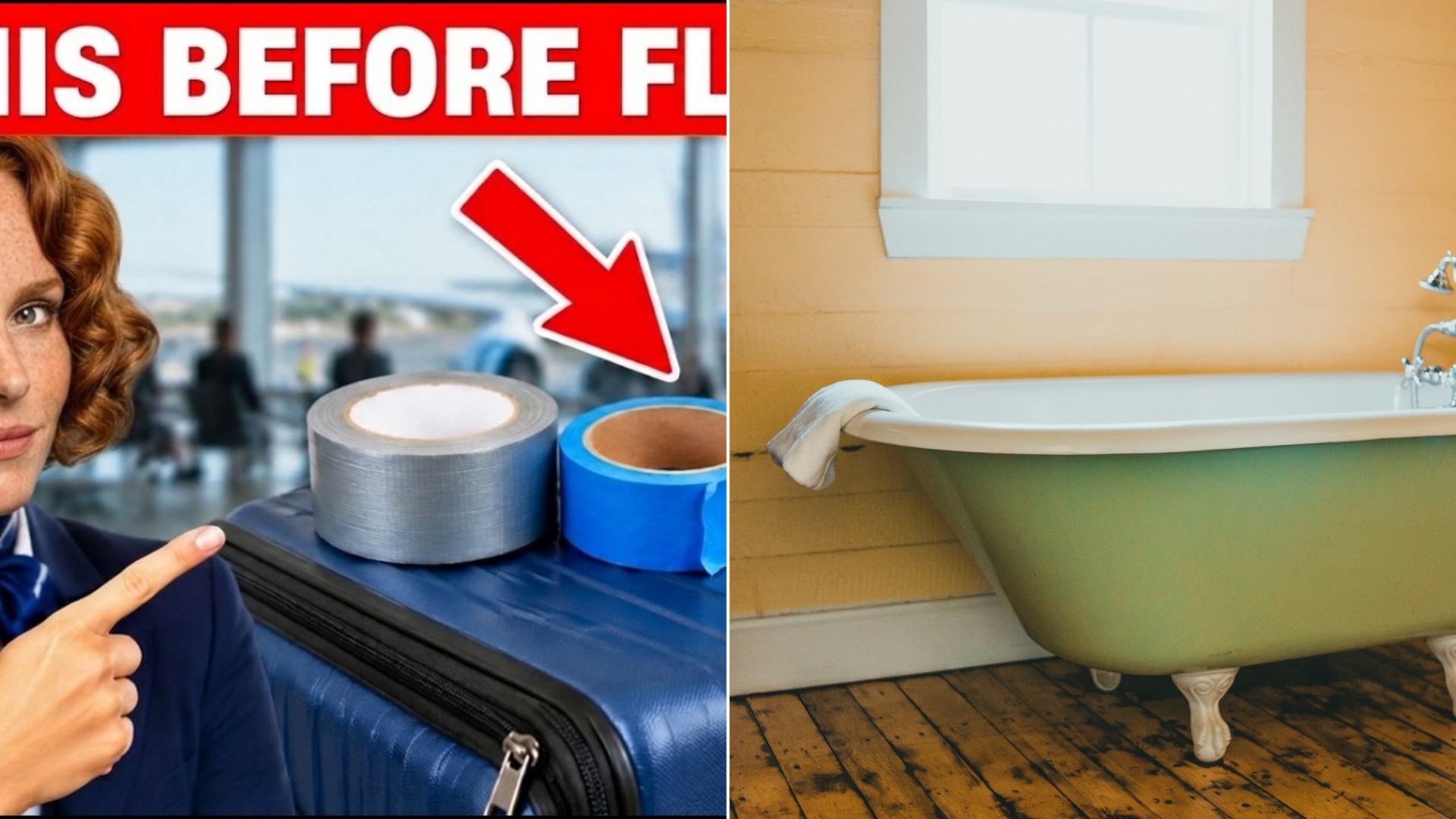
She says she picked up the habit years ago from a flight attendant over a cup of what she calls terrible airport coffee. Barakzai had asked what small habits the woman never skips when she travels, and the answer came with a laugh: the smartest ones are usually the ones nobody thinks about until something goes wrong.
Since then, Barakzai has been collecting little habits that look strange at first and then quietly save a headache, a few dollars or an entire afternoon. The bathtub trick is number 20 on her list of 20, and it is the one that gets the raised eyebrows.
Why The Suitcase Belongs In The Tub
When you walk into an unfamiliar hotel room, the natural move is to heave the suitcase onto the bed and start unpacking. Barakzai says to resist that. Leave the bag closed, set it in the bathtub, and take a few minutes to look around the room first.
The reason is bed bugs. They are tiny, and they are very good at hitchhiking. They can ride along in luggage and clothing, and a bed is the last place you want your bag sitting before you have checked the room.
So pull back the sheets and look at the mattress seams and the headboard. Check the luggage rack, too. If everything looks clean, unpack normally. If something looks off, you have not spread anything around, and you can ask for a different room before your clothes are involved. Barakzai says it feels odd for about 30 seconds, and then it feels like the most sensible thing you have ever done.
Protect The Bag Before You Even Leave Home
Her next tip starts at the airport. Right before you hand your bag to the agent, take a quick photo of the whole thing, then another showing the wheels, the handle and the corners, including any scratches that are already there. It takes less than a minute.
If the bag comes down the belt cracked or torn, you have a record of how it looked before the airline had it. Barakzai points out that the government agency that oversees airlines says to report damaged baggage as soon as you can, and that airlines can be responsible for damage that happens while the bag is in their care, with certain limits. Ordinary wear and old damage are treated differently, which is exactly why the before photo helps. It lets you say with confidence, “It didn’t look like this when I handed it over.”
She also suggests snapping a picture of the little barcode receipt the agent hands you for your checked bag, then keeping the original until the suitcase is back in your hands. If the bag is delayed, having that information ready makes it much easier to identify the right piece of luggage when you talk to the airline. Check that you got a receipt for every bag rather than assuming all the labels were handed over.
Keep The Inside Clean And Smelling Fresh
Barakzai asks you to think about where your shoes have been before they sit beside your clean shirts: airport restrooms, sidewalks, restaurant floors, taxi mats and hotel hallways. If you do not own proper shoe bags, she says a disposable shower cap stretched around the sole works beautifully, and a clean plastic bag does the same job. You are not trying to clean the shoes, only to build a little wall between the dirty part and everything else you packed.
For a closed suitcase that turns stuffy, she tears a scented dryer sheet into a few small pieces and tucks them between layers of clean clothing. A wrapped bar of soap or a little sachet does the same thing. She also keeps worn clothes in their own laundry bag, because fragrance cannot hide a problem you packed right next to it.
Leaky bottles get a second seal. Before packing any screw-top bottle, take off the cap, lay a small square of plastic wrap over the opening, and screw the cap back on over it. Then put the bottle inside a resealable bag. If one barrier fails, you still have another. For carry-on liquids, she reminds travelers that in the United States the general rule is containers of 3.4 ounces or less, all together in one clear quart-size bag, and that screening can vary as airports update their equipment.
Pack Smarter, Not Fuller
Most of us pack a suitcase like a stack of papers, with the one thing we need buried at the bottom. Barakzai suggests packing more like files standing in a drawer: roll or fold clothes and set them upright, side by side. You can see several items at once and pull out one shirt without wrecking the whole arrangement. She is honest that it does not magically create twice the room. What it does is save you the digging, which is a small gift when you have a sore back in a cramped hotel room.
She also says to stop carrying empty shoes. Roll up clean socks and tuck them inside, and depending on the shoe, other small soft things might fit too, as long as they will not squash it. Do not stuff them until the shape changes. Heavier shoes go near the wheel end so the weight stays low when the bag stands upright.
Many suitcases have a zippered divider, and she recommends using it on purpose: covered shoes and the laundry bag on one side, clean clothing on the other. One warning from her list is to use only compartments made for storage, since little maintenance zippers that reach the handle mechanism are not secret pockets, and stuffing things in there can cause real damage.
Small Habits For When Things Go Wrong
Barakzai tucks a simple card with a name, phone number and email inside the suitcase, since outside tags rip off and labels get scuffed. She skips the home address. She also keeps one complete lightweight change of clothes in her carry-on, and if she travels with a spouse or friend, she splits essentials between both checked bags so one delayed suitcase does not hold everything that belongs to one person.
Medication stays in the bag she controls. She says the Centers for Disease Control and Prevention recommends packing medicines in the carry-on in their original labeled containers, with enough for the whole trip and some extra. Her advice for international trips is to look up the rules for the destination and any layover country, and to ask a doctor or pharmacist if there are questions.
A few more of her habits are cheap and quick. A hard glasses case becomes a home for charging cables, a plug adapter and earbuds. A luggage tracker placed securely inside a checked bag may help show whether it is still near where you started or went somewhere else, though she says to file an official missing bag report and leave the searching to airline staff. A bright strap fastened securely around the middle makes a black bag easy to spot at the carousel, but she says to skip long ribbons that can snag on machinery.
The Two Tricks For Leaving The Room
On the final night, she puts a single shoe by the door and decides exactly what it means: check the safe, grab the medicine from the little refrigerator, or unplug the charger behind the nightstand. It works because it looks wrong. Seeing one lonely shoe near the exit makes the brain stop on autopilot for a second, and that second is all you need.
She also renames her checkout alarm. Instead of “checkout,” which only tells you the time, she labels it with the three things travelers most often leave behind: passport, wallet, charger. It is set for a few minutes before she walks out, and when it goes off she touches or looks at all three before turning it off. If something else matters more on a trip, she swaps in a word like safe, medicine or refrigerator. Ten seconds, three checks, and one fewer reason to realize something is missing after the elevator doors have closed.
Her last piece of advice is the easiest to follow. You do not need all 20 on your next trip. Pick three, perhaps the checkout alarm, the photo of your bag and the one outfit in your carry-on, and try them once. She believes they will become automatic, like buckling a seat belt.
More Stories You May Like
- 7 Things You Should Never Do on Airport and Hotel Public WiFi If You Want to Keep Your Banking Details and Passwords Safe While Traveling
- Airlines May Soon Owe You Fewer Meals and Hotels When Certain Maintenance Problems Delay Your Flight and the Rule Now Starts January 1 2027
- Eating Out Is Rising Faster Than Groceries as Restaurant Prices Are Forecast Up 3.5 Percent This Year Versus 2.3 Percent at the Supermarket