

Few things draw a crowd online like a restaurant owner answering a bad review, and this one has everything: a long drive, a cold table, a very sarcastic reply and a mention of the fire department. Creator @thatguycraig_ shared the exchange from a sushi restaurant in Colorado Springs, calling the owner’s response “savage” and noting, with a shrug, that the customer did not have a reservation.
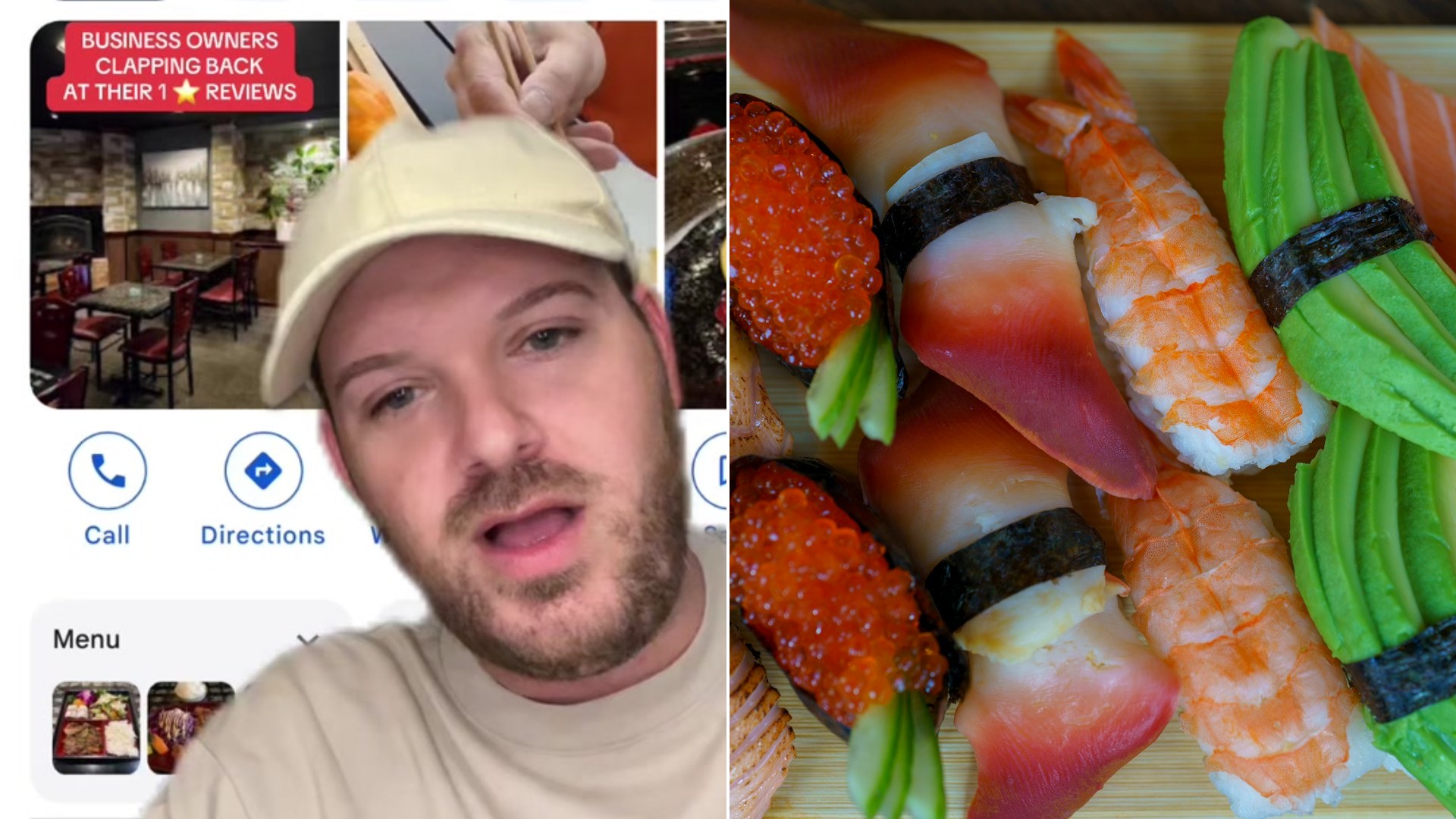
As always with a review war, there are two sides, and what follows is the customer’s version of the evening as she wrote it in her one-star Google review, plus the owner’s public reply.
@thatguycraig_
The review: a freezing seat by the back door
According to the review, the trouble started with where she and her friend were seated. They landed near the rear door, where cold air was coming in. She wrote that towels had been shoved against the bottom of the door to stop the draft, that this “obviously failed,” and that even a small space heater could not keep up.
So she asked for another table. By her account, the first server told her the other empty tables were not available, though she noticed reserved tags on the booth by the bar. She asked again, and a second server said, “Of course,” that all of those tables were open. That left her confused, since the first answer had been the opposite. She moved over just one table. It was better, she wrote, but still cold.
The review was not all complaints. She called her server “amazing” and the food “delicious,” and she gave it four stars out of five for the food and four out of five for service. The atmosphere, she said, got a one. “You can’t enjoy a meal when it’s freezing by the rear door,” she wrote, and she added that the front of the restaurant had been warmer.
The detail that raised the stakes was the distance. She said she drove 100 miles to eat there, with the friend who had recommended the place sitting beside her, and that she would not be back. Then she turned to the owner’s earlier replies to other reviews. In her view, they showed he either did not care or answered rudely, and she said she could not support a business that attacks people who write negative reviews. She attached a photo of the food, which the creator noted looked fabulous, along with a picture of the little space heater and the towels stuffed under the door.
The owner’s reply
The owner answered in a tone that is hard to forget. He opened with a crude sushi-themed insult, which is not repeated here, and followed it with a jab that she had seemed like a lady but turned out to be a “drama king” with a flair for false alarms. He then referred to calling the fire department “over sushi” and called that a bold choice. The reply said the incident was on record now and that a repeat would bring a fine large enough to make her eyebrows twitch. The creator never explains what the fire department reference means, and the transcript does not say exactly what happened, so it is best treated as the owner’s claim rather than established fact.
The owner then switched to what he called the polite version. Reservations exist for a reason, he wrote, mainly so you do not drive 100 miles to eat disappointment. If you want a prime table, or “literally any table,” call ahead. Otherwise, he suggested, expect to wait awkwardly near the bathroom while people with common sense dine in peace. He closed by saying that is the gamble you take when you show up unannounced.
What this teaches both sides of the table
Whoever you side with, the exchange is a handy case study. A few practical lessons come out of it.
For diners:
- Ask kindly and early. If a table is uncomfortably cold or drafty, say so when you are first seated, before drinks and appetizers arrive. Hosts can usually shift you more easily at the start than halfway through the meal.
- Call ahead for a long drive. If you are traveling an hour or more, a quick phone call to ask about reservations and seating costs you two minutes and can save an evening.
- Dress for the season. In winter, a light layer travels well, particularly in older buildings or small restaurants with a door that opens often.
- Keep reviews about the facts. Specific details, such as what happened and who you spoke with, read as more credible than general anger.
For owners:
- Remember the whole town can read it. Google’s help pages explain that a business reply appears publicly under the review as coming from the business itself, and that the reviewer is notified when you reply. Google also says replies are checked against its content policies.
- Flag, do not fight. Google’s review management page does not describe a way for owners to remove reviews directly. If a review breaks Google’s rules, the route is to flag it. A review that is merely unflattering stays up.
- Fix what is fixable. A drafty back table is a problem a draft stopper, a heavier door sweep or a “reserved” sign policy can solve. A customer who says the front was warmer is giving you free feedback.
Why these exchanges travel so far
This kind of back and forth spreads because everyone has been on one side of it. Most of us have sat at a table that was too cold, too loud or too close to the kitchen door, and most of us also know someone who works in a restaurant and has dealt with a customer who showed up on a packed Saturday with no reservation. The fact that the customer praised the food and the server even while complaining gives her review some balance, and the fact that the owner answered with a joke at her expense gives the exchange its punch.
It also leaves some questions open. Were the reserved tags actually for parties arriving later? Did the staff handle the table swap clearly? Was the owner’s reply a one-time flash of temper or his usual style? Only the people at the restaurant know, and a public review box is a poor place to sort it out.
The simple takeaway is a gentle one: when a place is worth a 100 mile drive, it is worth a phone call first, and when a customer is unhappy, a calm answer almost always wins more fans than a clever one.


