A candid restaurant review from @comfywith_kerry is making the rounds for an ending nobody expected. The creator gives honest, unfiltered negative feedback about a dessert served at Fitoor, a Los Angeles restaurant, not holding back on what didn’t work. Rather than brushing off the criticism or getting defensive, the restaurant’s manager responds in a way that completely reframes the story — replacing the dish on the spot and turning a potentially awkward moment into a genuine customer-service win.
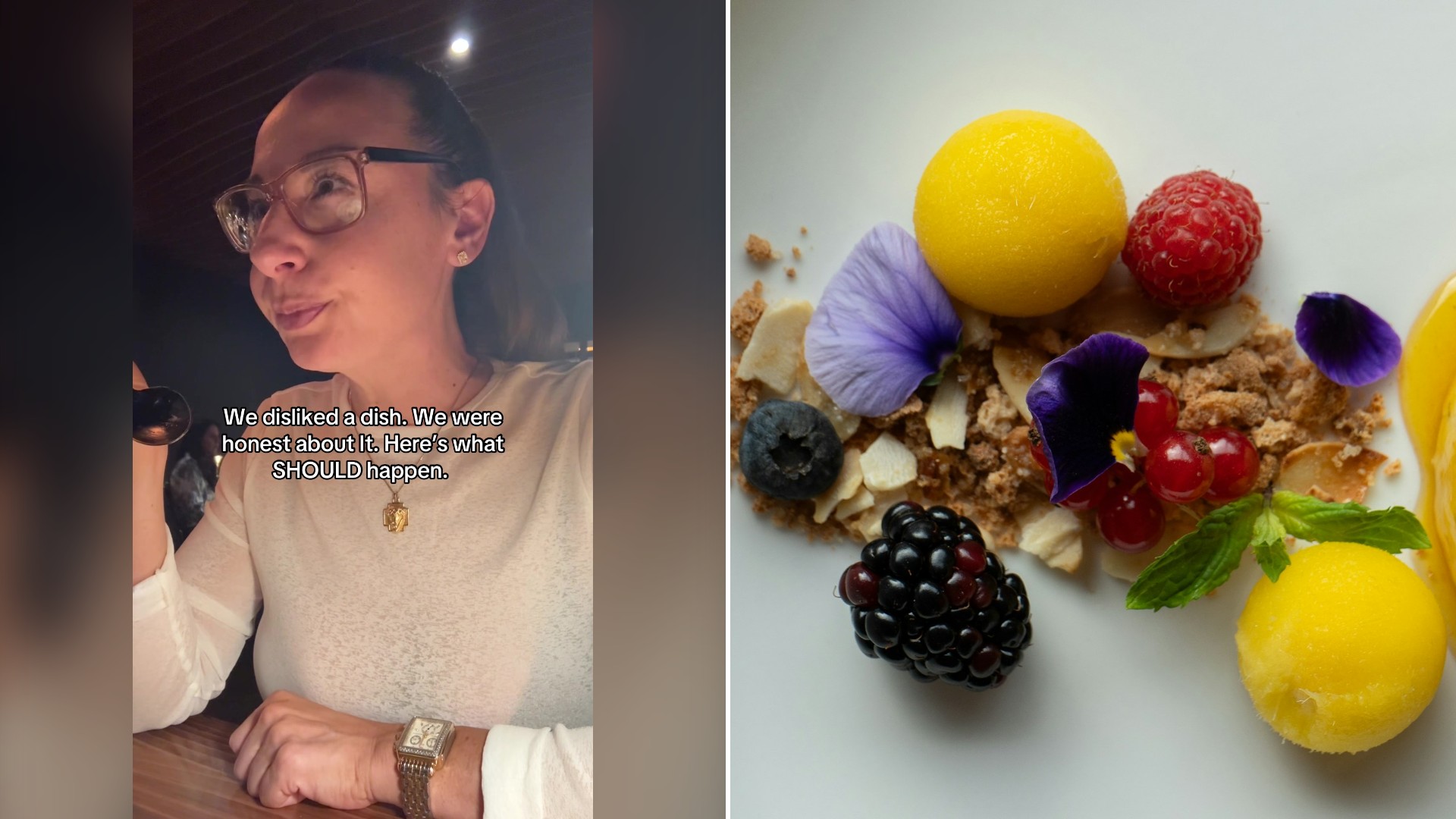
Honest, unsponsored restaurant reviews have become a staple of food content precisely because audiences have grown wary of overly polished, suspiciously positive takes. This video works because the criticism feels real, which makes the restaurant’s gracious response feel even more earned.
@comfywith_kerry
The honest-review trend has reshaped how restaurants think about feedback in the social media era. Hospitality industry research consistently shows that how a restaurant responds to criticism in the moment — not whether the dish was perfect in the first place — is often the single biggest factor in whether a customer leaves with a positive or negative overall impression. A kitchen mistake or an off night is, in practice, almost unavoidable at any restaurant eventually; what separates a forgettable misstep from a genuinely bad experience is almost always the quality of the recovery.
Service recovery, the industry term for exactly this kind of in-the-moment correction, has been studied extensively by hospitality researchers, who have found that a well-handled complaint can actually leave a customer more loyal than if nothing had gone wrong at all — a phenomenon sometimes called the “service recovery paradox.” Replacing a disappointing dish immediately, without argument or excessive apology, signals to a customer that the restaurant genuinely cares about their experience rather than just their check total, which is precisely the kind of moment that gets remembered and shared long after the meal itself is forgotten.
For a restaurant like Fitoor, this kind of viral moment carries real stakes and real upside. Industry data on online reviews shows that a large majority of diners say a restaurant’s response to criticism, whether in person or in a public review, meaningfully shapes whether they’d consider going back. A manager who steps in personally, rather than letting a server absorb the complaint alone, also signals a level of ownership that diners consistently rate highly — it tells the table that leadership, not just staff, takes feedback seriously.
There’s also a broader cultural shift at play in why viewers find this story so satisfying. Years of viral videos showing restaurants mishandling complaints, arguing with customers, or ignoring valid criticism have primed audiences to expect the worst when a creator posts honest negative feedback. A story that subverts that expectation — where the restaurant responds with grace instead of defensiveness — stands out precisely because it goes against the grain of what so much restaurant-drama content usually delivers, which is part of why feel-good customer-service stories like this one tend to travel even further than the negative ones.
For restaurant owners and managers watching this kind of story unfold, hospitality consultants generally draw a simple lesson: train staff and management to treat honest feedback, even when it’s unflattering, as useful information rather than an attack. The restaurants that come out ahead in the age of viral reviews aren’t necessarily the ones that never make a mistake — they’re the ones that respond to an honest critique the way Fitoor’s manager did here, turning one disappointed bite into a story that ultimately reflects well on the entire business.
More from Cultivated Comfort
- Food Vlogger Says His Local Friends Laughed at a Mexico City Stall Selling Hand Made Dinosaur Quesadillas, Then Calls the Chicharron Prensado Filling Absolutely Insane
- Man Filming Inside Costco Says a $330 Disneyland Bundle With a Two Day Park Hopper, a Lightning Lane Pass and a $60 Dining Credit Saves a Family of Four $980, Then Shows the Math
- Traveler Opens a Video by Calling Serbia Dangerous, Then Admits in the Caption It Is Satire and Shows a $1 Bakery Pastry, a Plate of Cevapi and a Riverside Bike Ride