Anyone who has ever worked for tips, or loved someone who does, knows that a good table is not always the one that is easy to serve. It is the one that understands how the job works. One server recently shared a story about two very pleasant guests that has people rethinking what “nice” really means at the end of a meal.
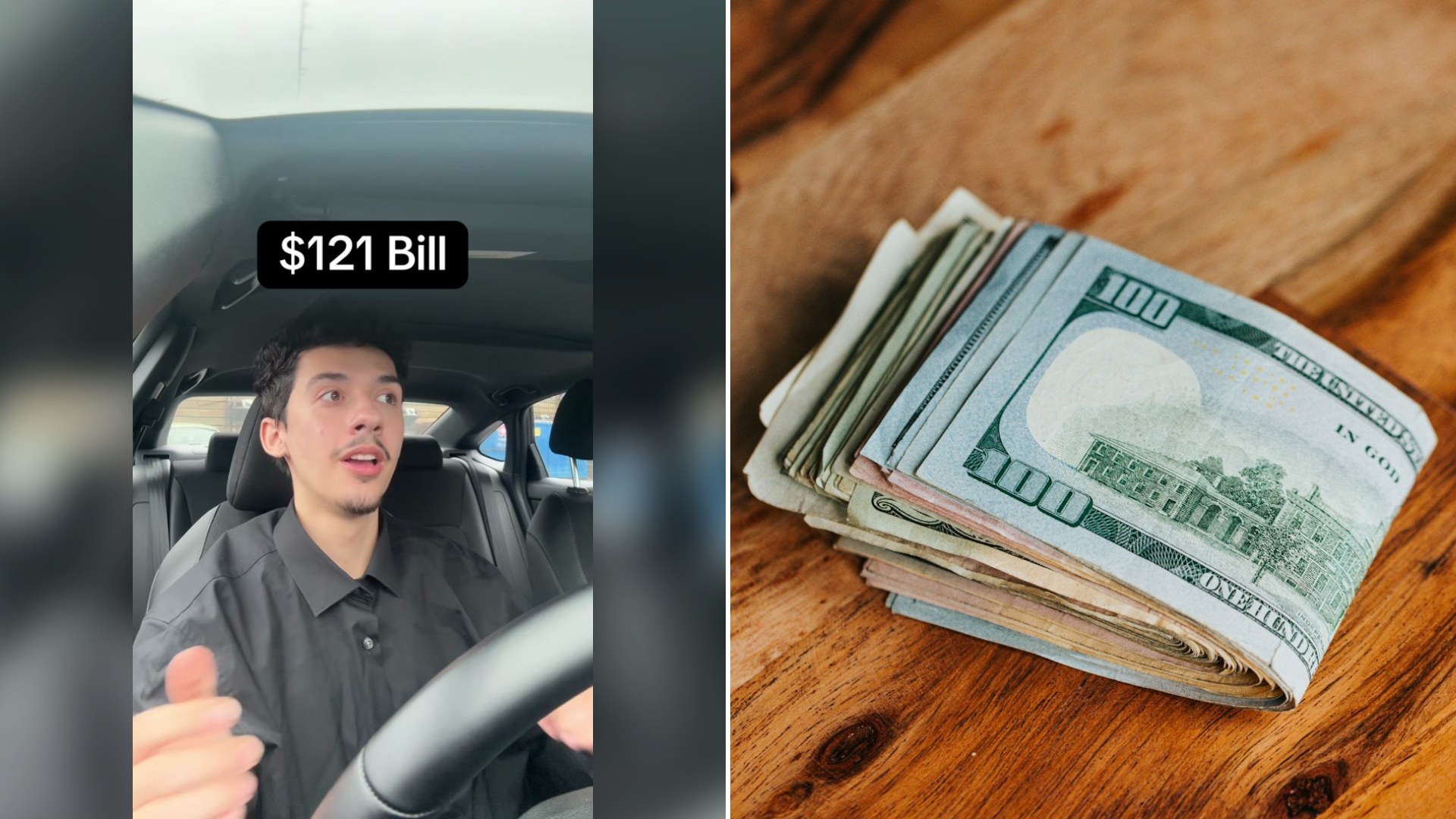
Creator @thisisoni opened her story with a question that clearly had been bothering her. People say servers are greedy for caring about tips, she said, so she wanted somebody to explain this one to her.
@thisisoni
An easy table with no warning signs
She set the scene by explaining that it is the slow season at her restaurant right now, which means every table counts. Two ladies came in and, as she put it, they seemed super sweet and super nice. She said there were no red flags at all and that it looked like an easy table.
When it was time to pay, their check came to $121.77. She said they paid in cash and counted it out, and everything about the exchange seemed completely normal. They even asked for a drink to go. She told them it was no trouble, since they had been so sweet to her all night, and she went to grab it.
When she came back, the two women were gone. That gave her a little worry, but she figured it was probably fine. Then she checked the table. The cash was sitting in the check book, just as you would expect. She went to cash them out, opened the book, and found $120.
That is where the story turns. By her math, the guests were $1.77 short of covering the bill, and there was nothing left over for a tip. She summed it up by saying that she had effectively paid the last couple of dollars on their check herself, on top of the tip out she owes at the end of the night for serving and taking care of them. Her closing question was the one she started with: servers are greedy, though, right?
What “tipping out” actually means
If you have never worked in a restaurant, the phrase she used may sound confusing. Many restaurants ask servers to share a portion of their sales, or sometimes a portion of their tips, with the people who help make the night run smoothly. That can include bussers, food runners, bartenders and hosts. The details differ from one restaurant to the next, but the idea is the same. The tip out is often tied to what the server sold, not to what the guest happened to leave.
That detail matters in her story. If a table pays only the bill, or a little less than the bill, the server can end up working for free at best. Depending on how her restaurant calculates the tip out, she may have actually lost money serving that table. She did not go into the numbers, and it is not fair to guess at them, but the way she described it makes clear that it felt like an unfair deal.
Why servers care so much about tips
When people say that servers are greedy, they often leave out how most servers are paid. Under federal law, the minimum cash wage an employer must pay a tipped worker is $2.13 an hour, as long as tips bring the worker up to at least the regular federal minimum wage of $7.25. Some states require much more than that, and some require employers to pay the full minimum wage before tips. But in many places across the country, tips make up the bulk of a server’s income.
That means a table that does not tip is not simply a missed bonus. For a server who is counting on tips to cover rent, groceries and gas, it can feel like working a stretch of the shift for nothing. A slow season, which she mentioned right at the start, only makes it worse. There are fewer tables to go around, so each one has to count.
What a typical tip looks like
Many diners wonder what the usual amount is. A common rule of thumb for sit down service is 15 to 20 percent of the pre tax bill, with 20 percent being the most common for good service. On a check of $121.77, that works out to roughly $18 at 15 percent and about $24 at 20 percent. Even a tip at the low end would have turned this table from a loss into a decent one for her.
For cash payers like these two ladies, it helps to remember a few things:
- Count the check before you leave. If you are paying with cash, make sure the total covers the bill first, then add the tip on top of that.
- Bring small bills. It is much easier to leave a fair tip when you have ones and fives in your wallet than when all you have is a couple of large bills.
- Ask for the total. If you are unsure what the tax brings the bill to, your server will be glad to tell you before you pay.
- Tip on the full amount. If you used a coupon or a discount, many people choose to tip on what the meal would have cost before the discount, since the server did the same amount of work.
- Leave a note if something was wrong. If you honestly did not enjoy your service, a quick word to the manager is more useful than quietly leaving less money.
Giving the guests the benefit of the doubt
It is worth noting that she herself said the whole thing seemed normal until she opened the check book. It is possible the women miscounted their cash, or lost track of what the total was after asking for the drink to go. Mistakes happen, and a short count is not always a deliberate choice. She did not claim to know why the money came up short, and neither should we.
What her story does show is how much a small oversight can affect the person on the other side of the table. When someone is working for tips, even a couple of dollars short, with no gratuity, can turn a long night into a frustrating one.
A simple reminder
The next time you finish a meal, take a moment to look over the check, count what you are leaving and think about the person who spent the evening looking after you. A kind word is always appreciated, but a fair tip is what keeps a server going home with something to show for her night. For many of the people who bring our food to the table, that is not greed. It is simply how they get paid.