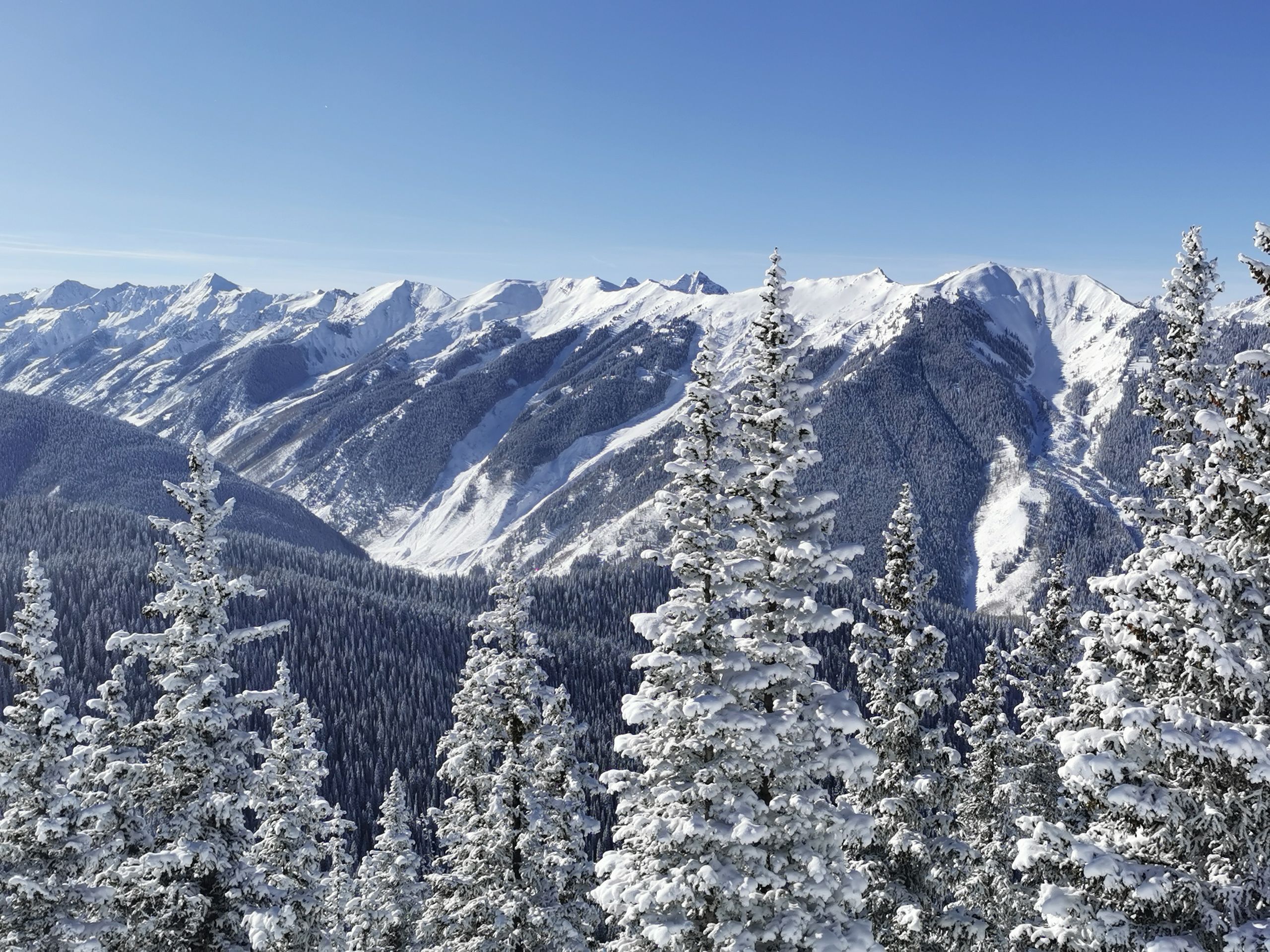
Aspen Snowmass opened sales on its 2026-27 season passes back on April 8, 2026, more than seven months before opening day, and prices have already climbed at least once since, with the next increase looming before the early-bird window closes September 18. It’s part of a pattern playing out across the industry’s biggest resorts: lock in a price now, months before anyone’s thinking about snow, or pay more for the exact same pass later. Aspen’s lineup this year looks different too. Two long-running pass types are gone, replaced by something built for skiers who don’t want to commit to a full season of use.
What’s new at Aspen Snowmass
The headline change is the new Flex Pass, starting at $679, which gives skiers four to seven days on the mountain with no blackout dates and no requirement that the days be used consecutively. It replaces the old Valley Pass, and former Valley Pass holders get a discount toward the new option. Aspen also introduced a Weekday Pass, starting at $2,099, offering unlimited Monday-through-Friday access plus weekend skiing during the season’s opening and closing stretches (December 1-13, 2026 and April 5 through close).

The returning Alpine 2-Day Pass, also starting at $2,099, still covers two days a week on any day of the week across the full season. At the top of the lineup, the Premier Pass starts at $3,099 and includes unlimited access to all four Aspen Snowmass mountains, plus expanded perks: eight 50%-off lift ticket vouchers for friends and family, a free demo day, equipment tuning, lessons, retail discounts and parking benefits. Aspen Skiing Company CEO Geoff Buchheister framed the overhaul as an accessibility play: “We’re creating greater choice and value for guests, while opening the door for people who have always wanted to ski Aspen Snowmass,” he said in the company’s announcement.
Aspen also doubled its military discount for the 2026-27 season, now offering 50% off all passes and lift tickets, with sales for that program beginning June 27, the same day Aspen’s first general price increase of the season kicked in. More increases are expected through the summer and fall, which is the entire logic behind buying early: the passes themselves don’t change, but the price attached to them does, repeatedly, the longer you wait.
Vail Resorts is running the same playbook, with a twist
Vail Resorts, Aspen’s biggest rival and the operator behind the Epic Pass network, put its own 2026-27 pricing in place earlier this year, and the numbers show the same upward trend. A full adult Epic Pass now costs $1,089, roughly 3.6% more than last season, while the Epic Local Pass runs $809, up 3.3%, according to Vail Resorts’ own newsroom. Vail typically raises Epic Pass prices multiple times a year, around Memorial Day and then again in September and November, so like Aspen, the earliest buyers get the best number.

The twist is a new discount aimed squarely at younger skiers. Vail is offering 20% off both the Epic Pass and Epic Local Pass for anyone age 13 to 30, bringing those passes down to $869 and $649 respectively. Stack that with an additional loyalty discount for guests who held a 2025-26 lift ticket, and the youth pricing can drop as low as $694 for a full Epic Pass or $474 for the Epic Local version, nearly $400 off the standard adult rate. “The future of the sport depends on the next generation of skiers and riders, and it is our responsibility to create a more accessible pathway for them well into young adulthood,” Vail Resorts CEO Rob Katz said in the company’s announcement.
Early Epic Pass buyers also get 10 Friend Tickets good for 50% off lift ticket prices for guests they bring along, a perk aimed at getting existing passholders to recruit new skiers into the fold rather than just retaining themselves.
The pattern buyers should notice
Put the two resort operators side by side and the strategy is nearly identical: open sales in spring, raise prices on a rolling schedule through summer and fall, and use generational discounts to soften the sticker shock for the demographic the industry most needs to retain. Aspen’s approach leans on flexibility, with more pass tiers and more ways to buy a partial season, while Vail is leaning on age-based pricing to keep under-30 skiers from aging out of the sport as costs climb.
For anyone who skis more than a handful of days a year, the math still tends to favor buying a season pass over single-day lift tickets, which regularly run $200 or more at marquee resorts during peak weeks. But the September 18 deadline at Aspen, and Vail’s history of raising Epic Pass prices again before Thanksgiving, both point to the same conclusion: whatever this season’s pass costs today is close to the lowest it’s going to get.