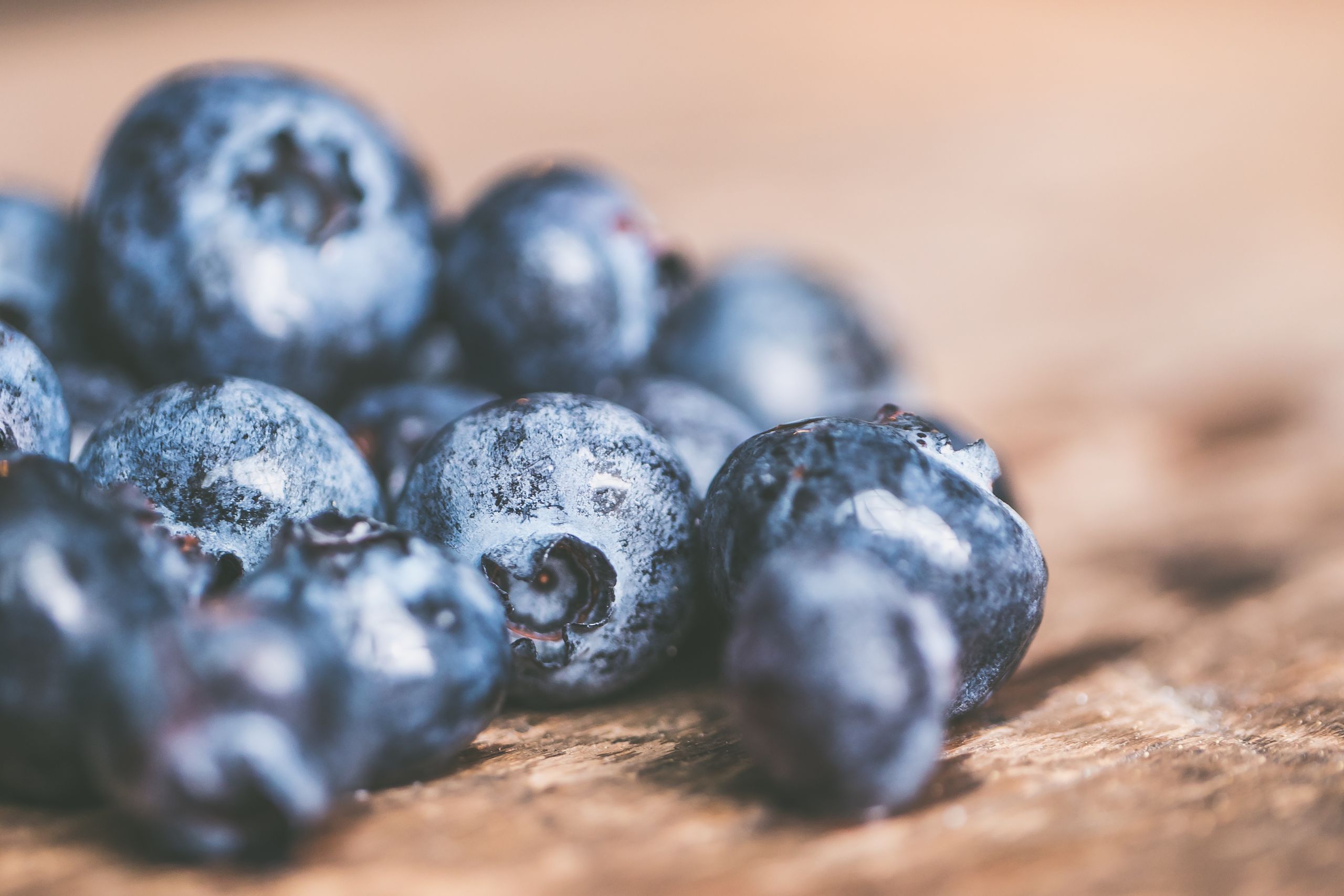
Twelve people have gotten sick and four have landed in the hospital after eating frozen blueberries traced to an E. coli outbreak — and the FDA has now given the recall its most serious rating there is. On July 29, 2026, the agency classified the recall of Publix’s GreenWise Organic Frozen Blueberries and Whole Mixed Berries as Class I, its highest-risk designation, reserved for cases where eating the product carries a reasonable probability of serious, even fatal, health consequences.
The recall, detailed in the FDA’s official notice, now covers every lot of four items sold exclusively at Publix stores: GreenWise Organic Whole Blueberries in 10-ounce (UPC 41415-06453) and 48-ounce (UPC 41415-12053) bags, and GreenWise Organic Whole Mixed Berries in the same two sizes (UPC 41415-06753 and UPC 41415-12153). That’s a wider net than the original recall, which on July 3 covered a single lot code with a best-by date of February 9, 2028. By late July, the FDA had linked the outbreak to every lot the company shipped.

Key Points
- Recalled products: GreenWise Organic Whole Blueberries (10 oz, UPC 41415-06453; 48 oz, UPC 41415-12053) and GreenWise Organic Whole Mixed Berries (10 oz, UPC 41415-06753; 48 oz, UPC 41415-12153)
- Contaminant: Shiga toxin-producing E. coli O145:H28
- Case count: 12 illnesses and 4 hospitalizations reported so far, with no deaths
- Sold in: Alabama, Florida, Georgia, Kentucky, North Carolina, South Carolina, Tennessee, and Virginia
- What to do: don’t eat it — throw it away or return it to Publix for a full refund
According to the FDA’s outbreak investigation page, illness onset dates run from May 11 to June 5, 2026, with confirmed cases so far concentrated in Florida and Georgia even though the berries reached store shelves in eight states. Investigators traced the contamination to a Chilean supplier, Frutas y Hortalizas del Sur S.A., which the FDA has since added to an import alert that flags its future shipments for automatic detention at the border.
The strain involved, E. coli O145:H28, produces Shiga toxin and can trigger symptoms anywhere from a few days to more than a week after exposure — severe stomach cramps, diarrhea that’s sometimes bloody, fever, nausea, and vomiting. In a smaller share of cases, especially among young children, older adults, and people with weakened immune systems, the infection can progress to hemolytic uremic syndrome, a form of kidney failure serious enough to require dialysis.
Publix says it pulled the products from shelves by the end of June, ahead of the Class I upgrade. If you’ve still got any of these bags in your freezer, regardless of which lot code is printed on it, the guidance is simple: don’t eat it. Toss it, or bring it back to a Publix store for a full refund. Customers with questions can reach Publix Customer Care at (800) 242-1227, weekdays from 8:30 a.m. to 5 p.m. ET.
A Class I designation isn’t handed out for a routine precaution — it’s the label federal regulators reserve for the small number of recalls each year where eating the product itself, not just mishandling it, could put someone in the hospital. This one already has, four times over.