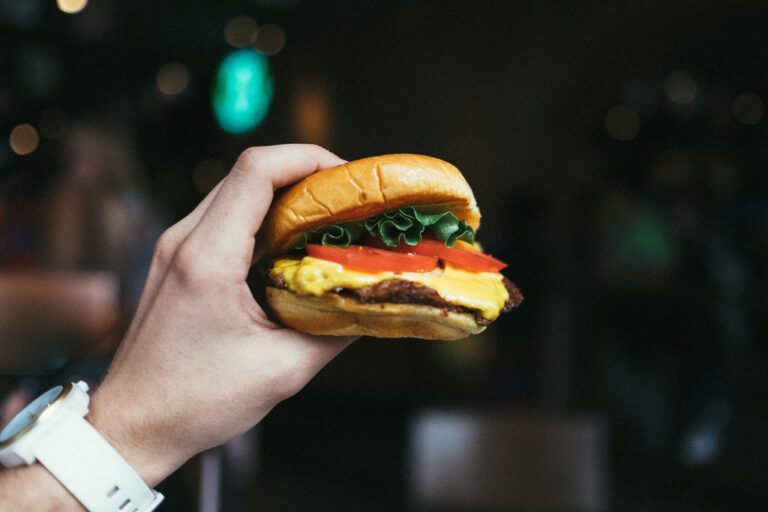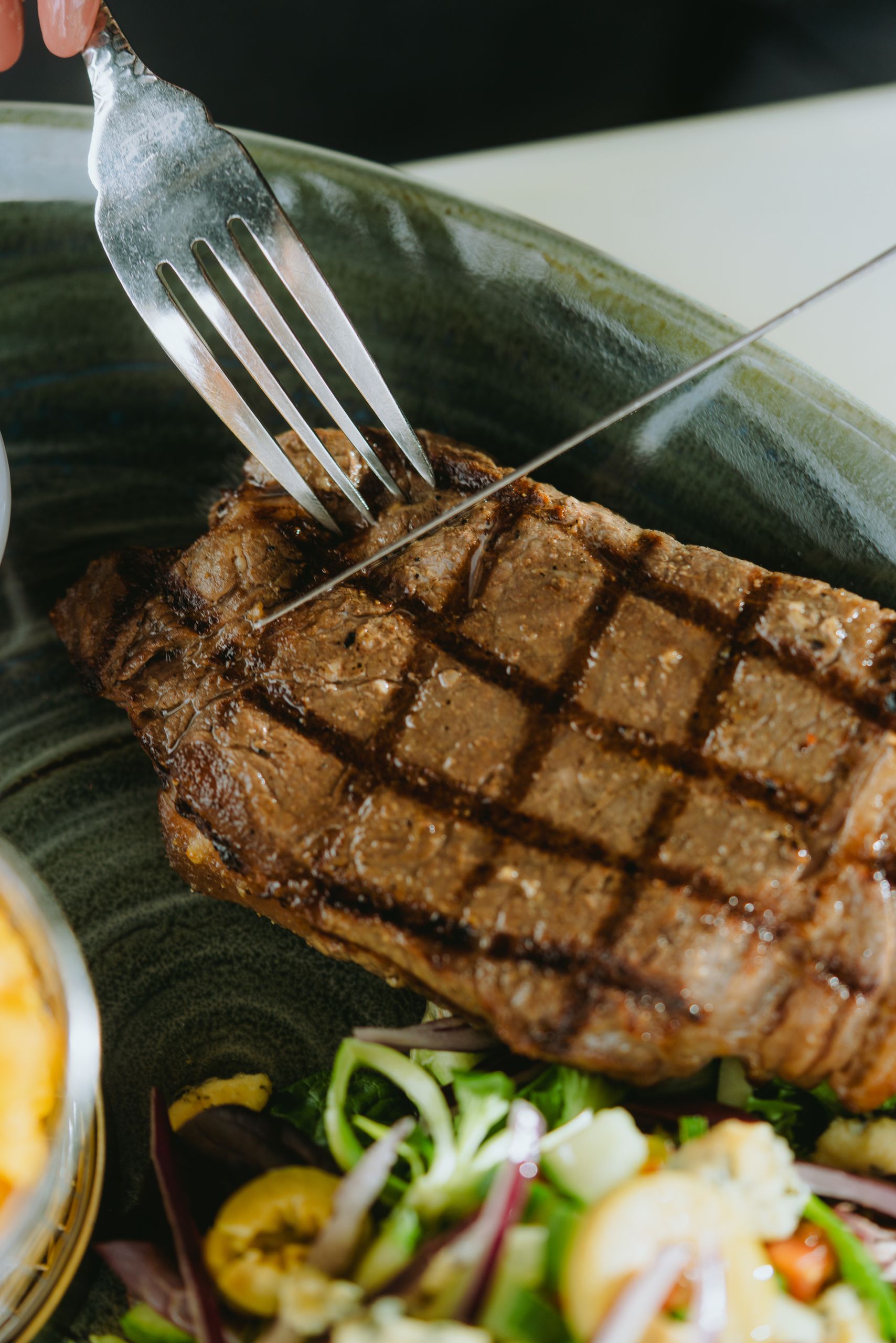
Beef and veal prices are set to climb 10.7 percent in 2026, according to the U.S. Department of Agriculture’s Economic Research Service’s Food Price Outlook, with a forecast range running as high as 14.6 percent. Behind that number sits a U.S. cattle herd that has shrunk to its lowest level in 75 years. Yet buried in the same report is a genuine bright spot for the grill: egg prices are projected to fall 30.7 percent this year, a swing steep enough to offset a real chunk of what beef will cost you. The math behind both trends traces back to biology and weather, not just markets — and it explains almost exactly what your Labor Day spread will look like.
The Herd Is the Smallest It’s Been in Three Generations
The beef shortage didn’t start this summer. It started with years of drought that pushed ranchers to sell off breeding cows rather than pay to feed them through dry pastures, and it has been compounding ever since. The USDA’s January 2026 Cattle Inventory report put the total U.S. herd at 86.2 million head as of January 1 — with beef cows down 1 percent to 27.6 million, the calf crop down 2 percent, and cattle currently on feed down 3 percent from the year before. Every one of those numbers points the same direction: fewer breeding animals now means fewer calves in roughly two years, and fewer calves means fewer cattle reaching slaughter weight down the line.
That lag is the part that matters for your grocery bill. A rancher who decided today to rebuild their herd wouldn’t have market-ready cattle for two to three years. Herd rebuilding simply doesn’t respond to a single good season — it takes sustained, multi-year commitment, and ranchers won’t commit until they’re confident prices will hold. That’s a slow-moving supply problem, not a temporary blip.
What That Means at the Meat Counter
The ERS forecast range for beef and veal — 7.2 to 14.6 percent for the year — reflects genuine uncertainty about feed costs and how quickly any herd rebuilding gets underway, but every scenario in that range is an increase. The report also notes wholesale beef prices are sitting at record highs for this point in the season, which is the wholesale market’s way of confirming that retailers are already paying more before a single burger patty reaches a store shelf. If you’re planning a cookout, that’s the line item to budget around: ground beef, steaks, and brisket are the categories absorbing the herd shortage most directly.

The Surprising Exception: Egg Prices Are Cratering
Here’s the twist the same report buries a few pages later. Egg prices are forecast to fall 30.7 percent in 2026, with a range between -36.5 and -23.4 percent — and that’s not a modest correction, it’s one of the sharpest single-year price drops the food price outlook tracks in any category. Retail egg prices were already down 27.9 percent from May to June 2026 alone, according to the same ERS Food Price Outlook. The driver is the flip side of what happened to beef: fewer outbreaks of Highly Pathogenic Avian Influenza this year meant fewer flocks culled, and improved availability of pullets — the young hens that become egg layers — let producers rebuild laying capacity far faster than a cattle herd ever could. A hen starts laying within months. A cow takes years to become a marketable calf.

The Rest of the Cookout Table
Beef and eggs are the headline swings, but they’re not the whole story. The ERS outlook puts overall food-at-home prices up 2.7 percent for 2026 (range 1.6 to 3.9 percent) and food-away-from-home up 3.5 percent, so restaurant cookout catering will cost proportionally more than a backyard version. Within the grocery aisle, fresh vegetables are forecast up 6.8 percent and sugar and sweets up 7.2 percent — meaning the potato salad and the dessert table are both getting more expensive too, just less dramatically than the meat. Farm-level milk prices are up 6.6 percent, which will show up gradually in dairy-based sides and desserts rather than at the register immediately.
Put together, this isn’t a story about food getting uniformly pricier. It’s a story about supply chains that move at completely different speeds — a laying hen’s few-month recovery versus a cattle herd’s multi-year one — landing in the same shopping cart at the same time. If your Labor Day plan leans harder on deviled eggs and lighter on ribeyes this year, the data says you’re not just saving money. You’re accidentally shopping in sync with exactly what the supply chain can actually deliver.