Food reviewer @alsonlovesfood is earning praise online for a decision that runs against the grain of most sponsored food content: he previously turned down a free collaboration offer from Side Chick, a San Diego restaurant, choosing instead to pay out of his own pocket to go back later and review the place with zero obligation to say anything nice. The result is a review viewers are treating as unusually credible, precisely because there was no free meal, no brand deal, and no pressure to deliver a positive verdict in exchange for the visit.
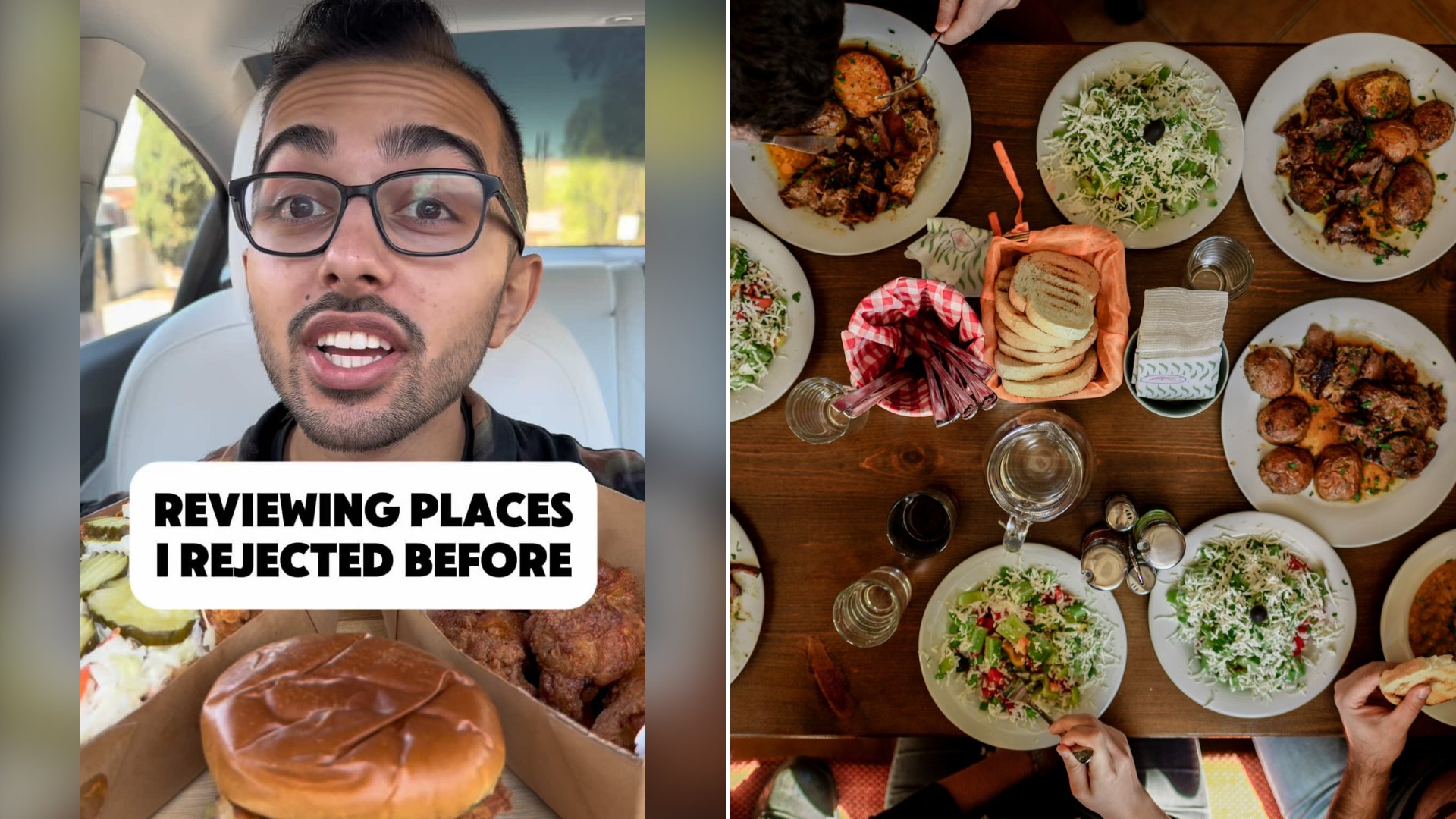
Declining a free sponsored meal is a genuinely uncommon move in the food influencer world, where paid collaborations are often a primary source of income, which is exactly why this creator’s choice resonated so strongly with an audience increasingly wary of influencer marketing.
@alsonlovesfood
Sponsored restaurant content has faced growing scrutiny in recent years, as audiences have become more sophisticated about spotting the subtle ways a free meal can shape a review, even when a creator genuinely believes they’re being objective. Marketing researchers who study influencer disclosure have found that people who receive free products or experiences tend to rate them more favorably than people who pay for the same thing themselves, a well-documented psychological effect sometimes called reciprocity bias — the instinct to feel subtly obligated to a business that has given something away for free, even without any explicit pressure to post positively.
Paying full price specifically to remove that bias is a strategy a small but growing number of food reviewers have begun adopting deliberately, and advertising transparency advocates generally view it as one of the strongest signals of genuine editorial independence a creator can offer. Unlike a disclosure label, which simply informs a viewer that a relationship exists, paying out of pocket actually removes the underlying incentive structure that disclosure alone can’t fully neutralize.
For restaurants, the trend creates an interesting strategic question. Public relations professionals in the hospitality industry note that an increasing share of younger diners say they specifically distrust reviews they know are sponsored, even when the reviewer insists their opinion wasn’t influenced, which means restaurants banking entirely on paid influencer partnerships may be getting less persuasive marketing value than they assume. A restaurant that performs well in an unpaid, unsolicited review, the kind Side Chick received here, arguably earns far more durable credibility with potential customers than a glowing sponsored post ever could.
San Diego’s dining scene, for its part, has grown substantially more competitive and nationally recognized over the past decade, with a wave of chef-driven, concept-forward restaurants opening across the city’s various neighborhoods. A restaurant with a memorable name like Side Chick is almost certainly designed in part to stand out in that crowded, increasingly social-media-driven landscape, where a distinctive brand identity can be just as important to getting noticed as the food itself — though ultimately, as this reviewer’s honest, self-funded verdict shows, a clever name only carries a restaurant so far before the food has to deliver.
For viewers trying to figure out which food reviews to actually trust in an increasingly sponsored content landscape, media literacy experts generally recommend looking for exactly this kind of signal: a creator who’s transparent about past brand relationships, who reviews a mix of paid and unpaid experiences, and who’s willing to say something didn’t live up to the hype even when a business relationship might make that uncomfortable. This creator’s decision to walk away from a free meal, then pay to go back anyway, is as clear a version of that credibility signal as the format gets.
More from Cultivated Comfort
- Food Vlogger Says His Local Friends Laughed at a Mexico City Stall Selling Hand Made Dinosaur Quesadillas, Then Calls the Chicharron Prensado Filling Absolutely Insane
- Man Filming Inside Costco Says a $330 Disneyland Bundle With a Two Day Park Hopper, a Lightning Lane Pass and a $60 Dining Credit Saves a Family of Four $980, Then Shows the Math
- Traveler Opens a Video by Calling Serbia Dangerous, Then Admits in the Caption It Is Satire and Shows a $1 Bakery Pastry, a Plate of Cevapi and a Riverside Bike Ride