More than 121 million Americans plan to throw or attend a football watch party this season, and the National Retail Federation puts total game-day spending at a record $20.2 billion — or $94.77 per person — once food, drinks and decorations are counted, based on a 2026 survey of nearly 7,800 adults by Prosper Insights & Analytics for NRF. That kind of money doesn’t go toward a bag of chips split three ways anymore. It goes toward a board: one composed, photographable spread of cheese, meat, crackers and dip that has quietly replaced the mismatched snack table as the default expectation for anyone hosting this fall. Building one well has less to do with fancy ingredients than with ratios, and a handful of rules separate a board that empties by kickoff from one that just sits there for three quarters untouched.
The shift didn’t happen because chips and dip stopped tasting good. It happened because a board does something a bowl can’t: it gives every guest a reason to keep walking back to the table between plays, and it looks intentional in a way that a single dip never could, even when the actual grocery bill behind it is modest.
Anchor It With Two Cheeses, Not One
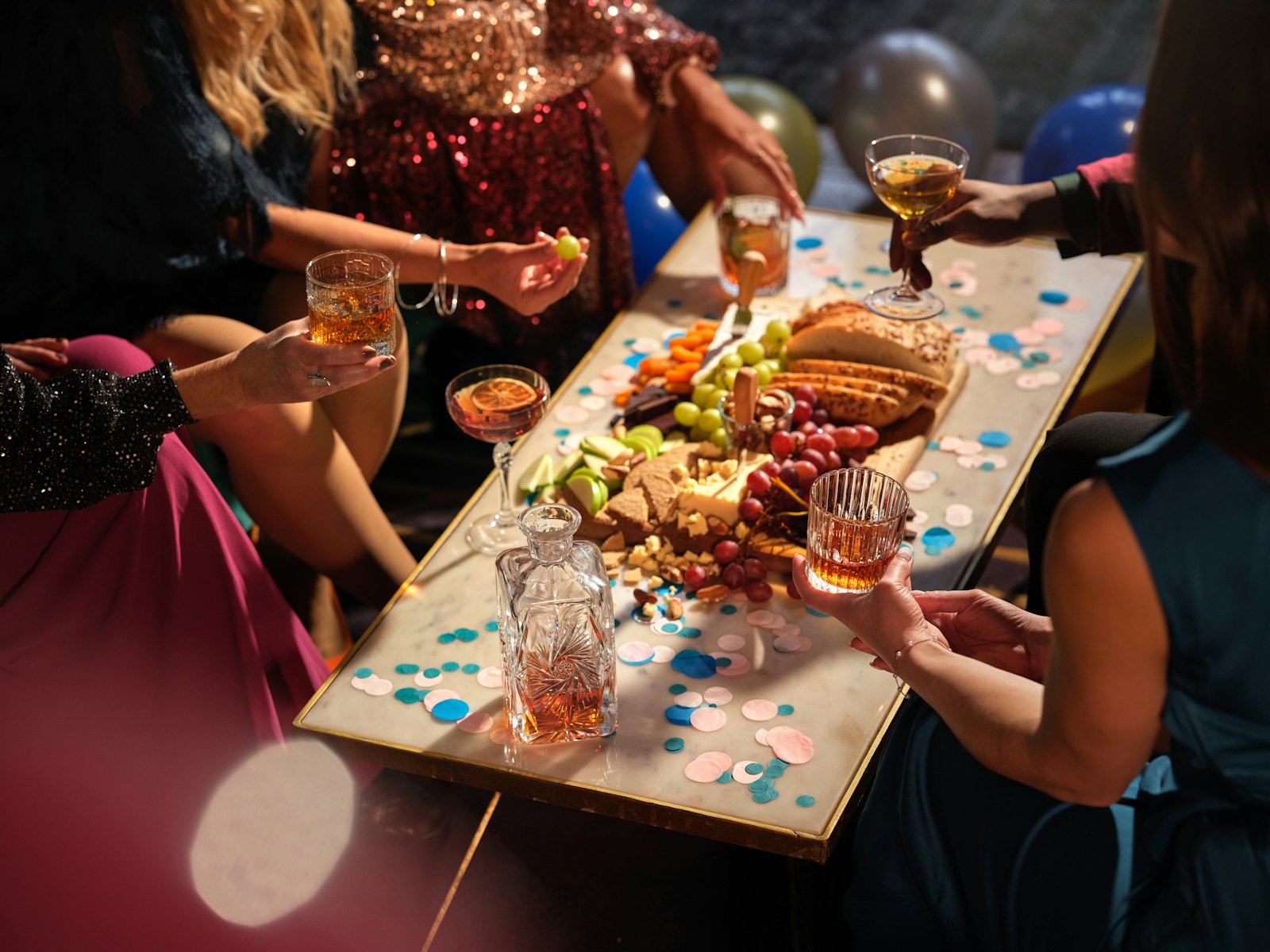
The dairy industry’s own board-building guidance from Wisconsin Cheese recommends pairing a firm, aged cheese with a soft, spreadable one so the board offers contrast in both texture and intensity. A sharp cheddar or aged gouda next to a soft brie or herbed spread covers the slicers and the smearers alike, and it keeps one corner of the board from vanishing in the first ten minutes while the rest goes untouched.
Fold the Cured Meat Instead of Stacking It
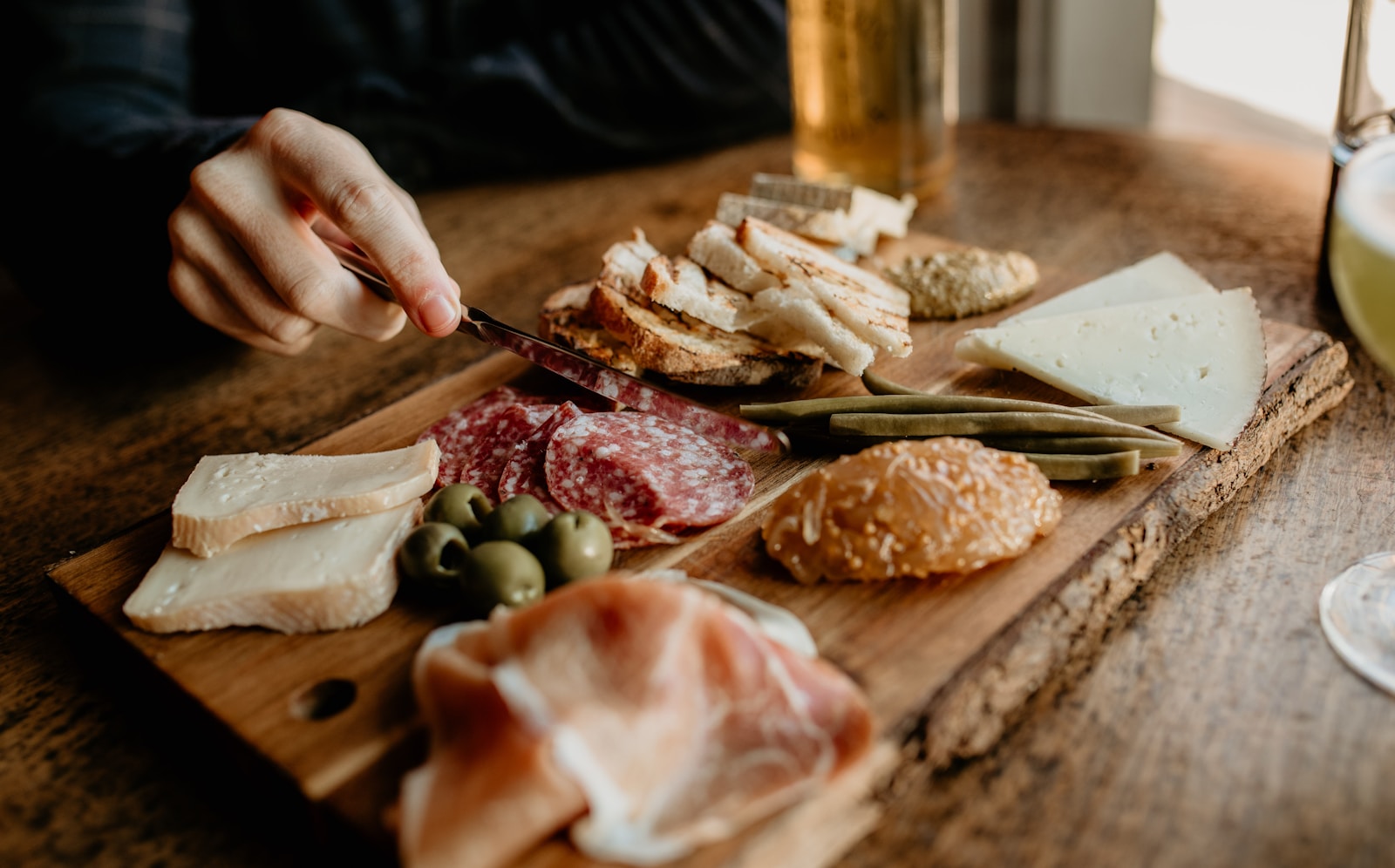
Rolling or folding salami and prosciutto rather than laying it flat gives the board visual height and makes pieces easier to grab one-handed — useful when hands are already holding a drink and a phone during a close fourth quarter. Two or three cured meats is plenty; more just crowds out the cheese and the crackers around it.
Build the Crunch Layer Around What’s Already in the Pantry
Crackers are the baseline, but a few handfuls of pretzels, breadsticks or tortilla chips extend the crunch category without added cost. That kind of resourceful stretching lines up with where restaurant menus themselves are heading: the National Restaurant Association’s own 2026 Culinary Forecast ranked comfort foods the No. 2 trend for next year, just behind local sourcing, with the group’s chief economist noting that “comfort and value are the twin pillars shaping America’s menus right now.”
Balance the Salt With One Sticky, Sweet Element
A small dish of hot honey, fig jam or pepper jelly does what cheese boards have relied on for years: it cuts the salt of the cured meat and gives guests a reason to keep circling back. Keep it to a single jar so it doesn’t compete with the meat for attention.
Give the Board a Handheld, Football-Specific Course
This is the piece that earns a platter its “game day” label instead of just being a cheese board with a new name. A corner of baked wings, mini sliders or stuffed jalapeños turns the spread into an actual meal rather than a pre-dinner nibble — and it’s usually the section that empties first.
Keep One Traditional Dip in Play
Chips and dip aren’t gone; they’re demoted to a supporting role. A single bowl of queso or a classic layered dip anchors one end of the board for guests who still want the format they grew up with, without pulling focus from everything built around it.
Size the Board to the Room, Not the Table
With NRF’s own survey putting average per-person spending at $94.77 for the day, a board built for eight to ten people doesn’t need to be enormous to feel generous — it needs to be refilled. Start with a smaller platter and keep backup portions of cheese and meat in the fridge rather than piling everything on at once; a half-empty board looks picked-over by halftime, while a board that gets topped off during a commercial break reads as fresh the whole game.
None of this requires a trip to a specialty market. What’s changed is the expectation: with the restaurant industry itself naming comfort and value as the two forces shaping menus this year, the board format wins because it delivers both at once — it looks generous without costing much per guest, and it lets people build their own plate instead of waiting on a kitchen. That combination, more than any single ingredient, is why the board has replaced the chip bowl as what people actually picture when someone says game day.