Burgers are still the single most popular thing to bring to a tailgate, and no amount of trend-chasing has changed that. A nationwide survey of 5,000 tailgaters commissioned by Hormel Foods found 66% of fans name the burger as one of the best foods to bring, with hot dogs close behind at 56%. What’s actually shifted isn’t the food on the table so much as how it gets there and cooked — and that part of the data tells a more interesting story than a simple ranking ever could.
The classics aren’t going anywhere
Ask tailgaters what they actually want to see show up in a cooler, and burgers and hot dogs still beat every trendier option by a wide margin, according to the Hormel-commissioned survey. Ice cream and popsicles, unsurprisingly, ranked among the least welcome items, alongside pie — not because tailgaters dislike dessert, but because 58% of respondents said portability matters most when picking what to bring, and anything that melts or gets crushed in a cooler bag loses points fast.
How people cook has changed more than what they cook
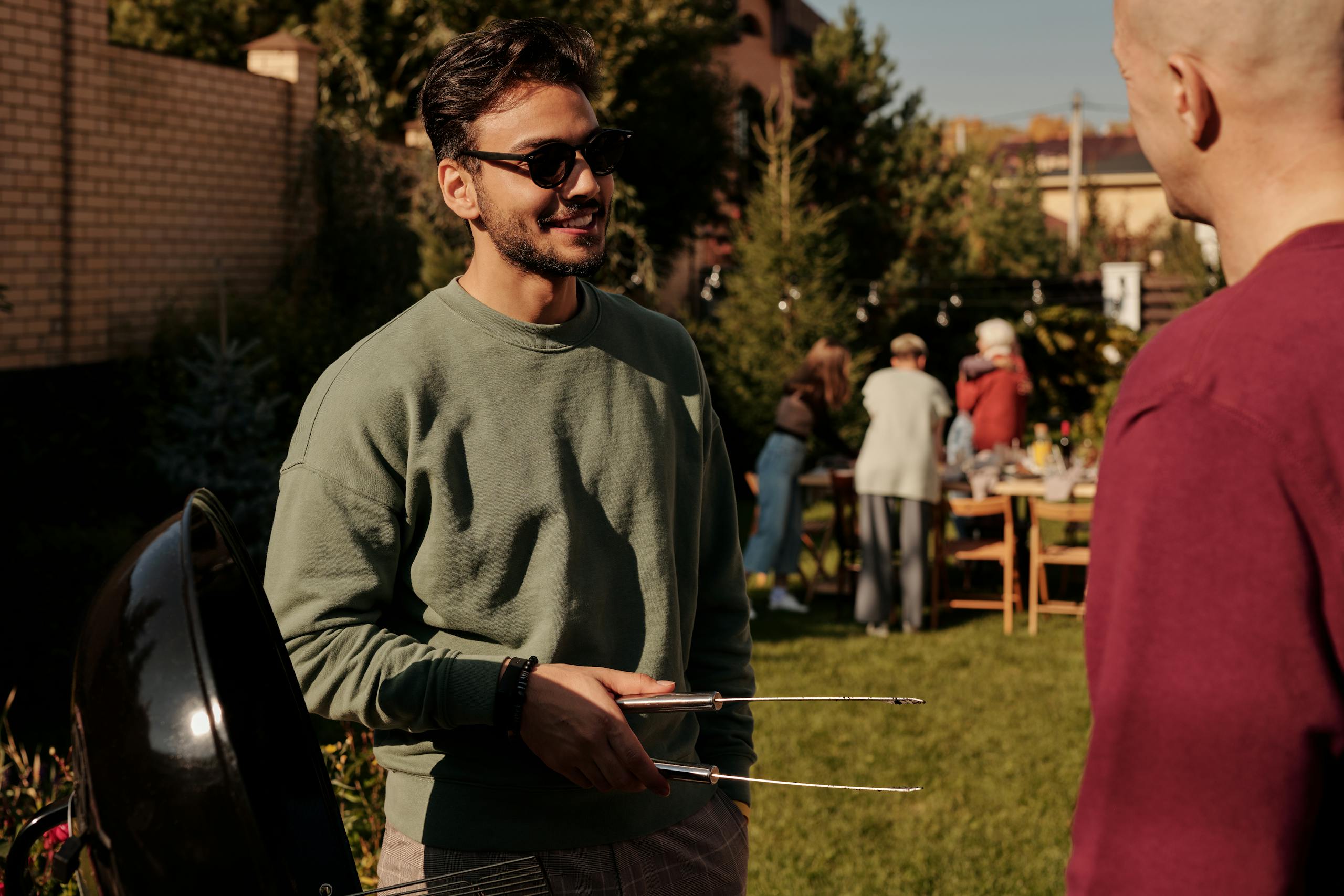
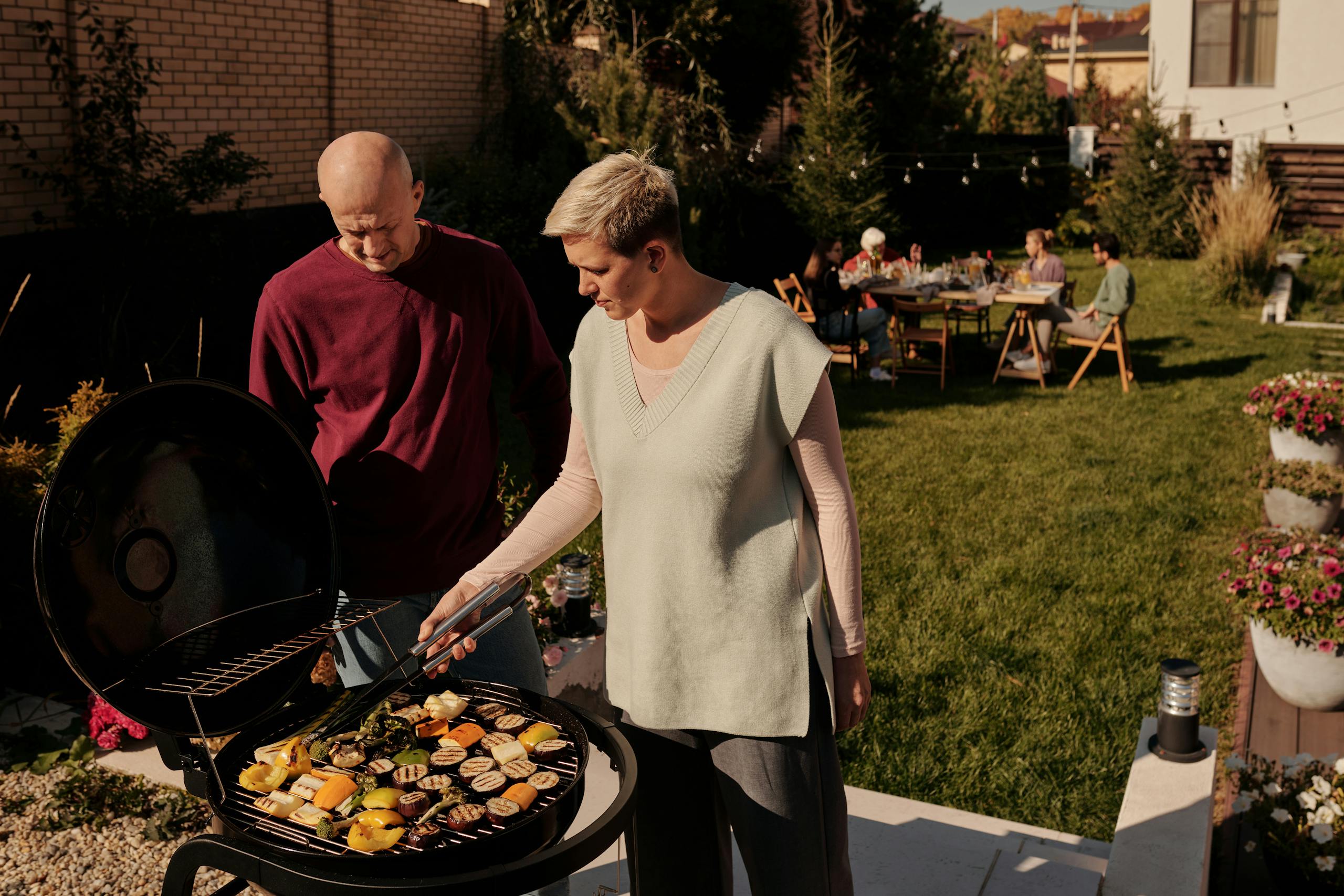
The bigger shift shows up in preparation method. Portable grills are now the most-used cooking setup at 67%, edging out traditional outdoor grills at 49% — a sign that fans are optimizing for parking-lot logistics as much as flavor. Slow cookers have also carved out real territory, used by 38% of tailgaters surveyed, which lines up with how often a chili or pulled pork setup shows up parked next to the grill these days: something that can travel already cooked and just needs to stay warm.
Ease of cooking now competes with taste
Beyond portability, 56% of tailgaters said ease of cooking directly influences what they decide to bring, and 47% prioritized finger foods that don’t require utensils. That helps explain why sliders, wings, and skewers have crept up in visibility even without unseating the burger at the top: they satisfy the same hand-held, low-fuss requirements while offering more variety than a single hamburger patty can.
Wings are having a moment adjacent to tailgates
Chicken wings deserve a mention here even though the tailgate-specific data doesn’t rank them above burgers, because the broader football-season appetite for wings keeps climbing. The National Chicken Council projected Americans would eat 1.48 billion chicken wings for Super Bowl LX, continuing a run of billion-plus wing consumption every year the council has tracked it. That’s Big Game data rather than tailgate-specific data, but it reflects the same overall trajectory: wings have become as central to football-watching food culture as anything else on the table, tailgate parking lot or living room couch.
The social stakes are higher than the food itself
Maybe the most telling number in the whole survey isn’t about food at all: 72% of respondents agreed that food selection can make or break a tailgate, and 62% said what someone brings reflects on their character. Combine that with the 46% who said they wouldn’t reinvite someone who failed to contribute a dish, and it’s clear the stakes around tailgate food are as much social as culinary — which goes a long way toward explaining why fans keep bringing the reliable burger instead of experimenting with something that might flop in front of friends.
Even the arrival time is getting optimized
Fans aren’t just rethinking what they cook — they’re rethinking when they show up to cook it. The same survey found 42% of tailgaters consider one to two hours before kickoff the ideal arrival window, tight enough that whatever gets served needs to be ready fast or already mostly cooked. That timing pressure is arguably what’s driving the slow cooker’s rise more than any flavor trend: a chili or pulled pork that finished cooking at home and just needs reheating solves the exact problem a short pre-game window creates.
What this means for your own cooler
None of this means game-day menus are frozen in place. It means the actual innovation is happening in the setup, not the menu: more people running a portable grill instead of hauling a full-size one, more slow cookers doing double duty as both cooking vessel and serving dish, and more finger-food formats replacing anything that needs a plate and fork. The burger isn’t losing its spot. It’s just getting cooked, timed, and served differently than it was five years ago.
Put the survey data next to what you’ll actually see in any given parking lot this fall, and the pattern holds: the food itself is conservative, but the logistics around it keep getting smarter. That’s the real trend, not which protein tops a ranking.