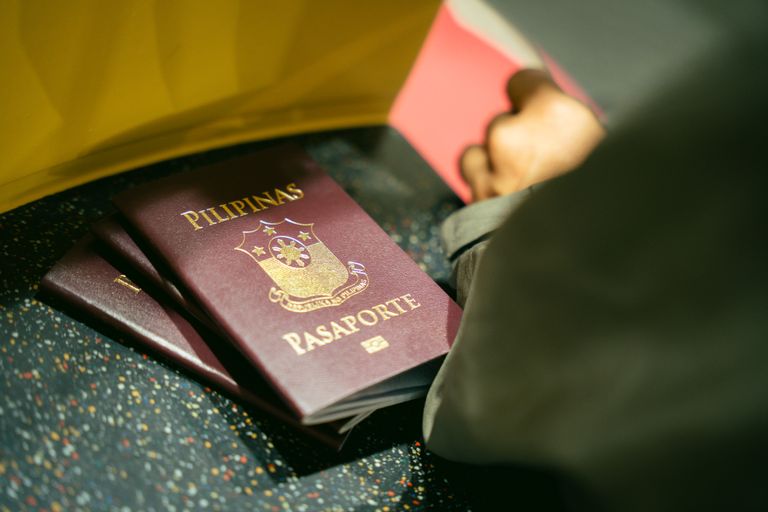
Congress voted on September 1 to fund the federal government through December 11, avoiding a shutdown right before the midterm elections, according to NPR and CNN. But the reprieve is temporary: the same threat to national parks, passport processing, and airport operations that loomed over the original October 1 deadline is simply pushed back roughly ten weeks, landing right in the middle of the winter holiday travel season.
Key Points
- The House passed the stopgap funding bill 370-48, with the Senate already approving it in August, extending government funding to December 11, according to NPR.
- The U.S. Travel Association estimates a government shutdown costs the travel economy roughly $1 billion a week, and the 43-day shutdown that ran from October 1 to November 12, 2025 cost the industry an estimated $6.1 billion, according to the U.S. Travel Association.
- National parks have stayed only partially open during recent shutdowns, but closures still cost roughly $1 million a day in lost entrance fees and about $80 million a day in nearby gateway-community spending, according to the National Parks Conservation Association.
- Passport processing is funded by applicant fees rather than congressional appropriations, so applications generally keep moving during a shutdown — but reduced staffing at passport centers has been tied to longer processing times in past lapses.
The near-miss this week is not the country’s first brush with a shutdown this year. A 43-day lapse from October 1 through November 12, 2025 already cost the travel industry an estimated $6.1 billion, with an average of 88,000 fewer trips taken every day it dragged on, according to the U.S. Travel Association. That shutdown also forced the Federal Aviation Administration to reduce flights at 40 high-traffic airports because of air traffic controller shortages, since controllers and Transportation Security Administration officers are required to keep working without pay during a lapse. An Ipsos survey cited by the association found that 86% of Americans think shutdowns meaningfully inconvenience air travelers, and 83% believe they hurt businesses that depend on tourism, from hotels near national parks to local restaurants.
National parks illustrate the uneven reality of a shutdown better than almost any other part of the travel system. Rather than closing entirely, as they did during the 2013 shutdown, parks under more recent contingency plans have kept entrance gates open with skeleton staffing while locking visitor centers and suspending ranger programs and routine maintenance, according to the National Parks Conservation Association. That arrangement has previously led to overflowing restrooms, unpatrolled trails, and, during the 35-day 2018-2019 shutdown, reports of vandalism and illegal off-roading in some parks — the tradeoff of keeping parks technically open without the staff to actually manage the crowds.
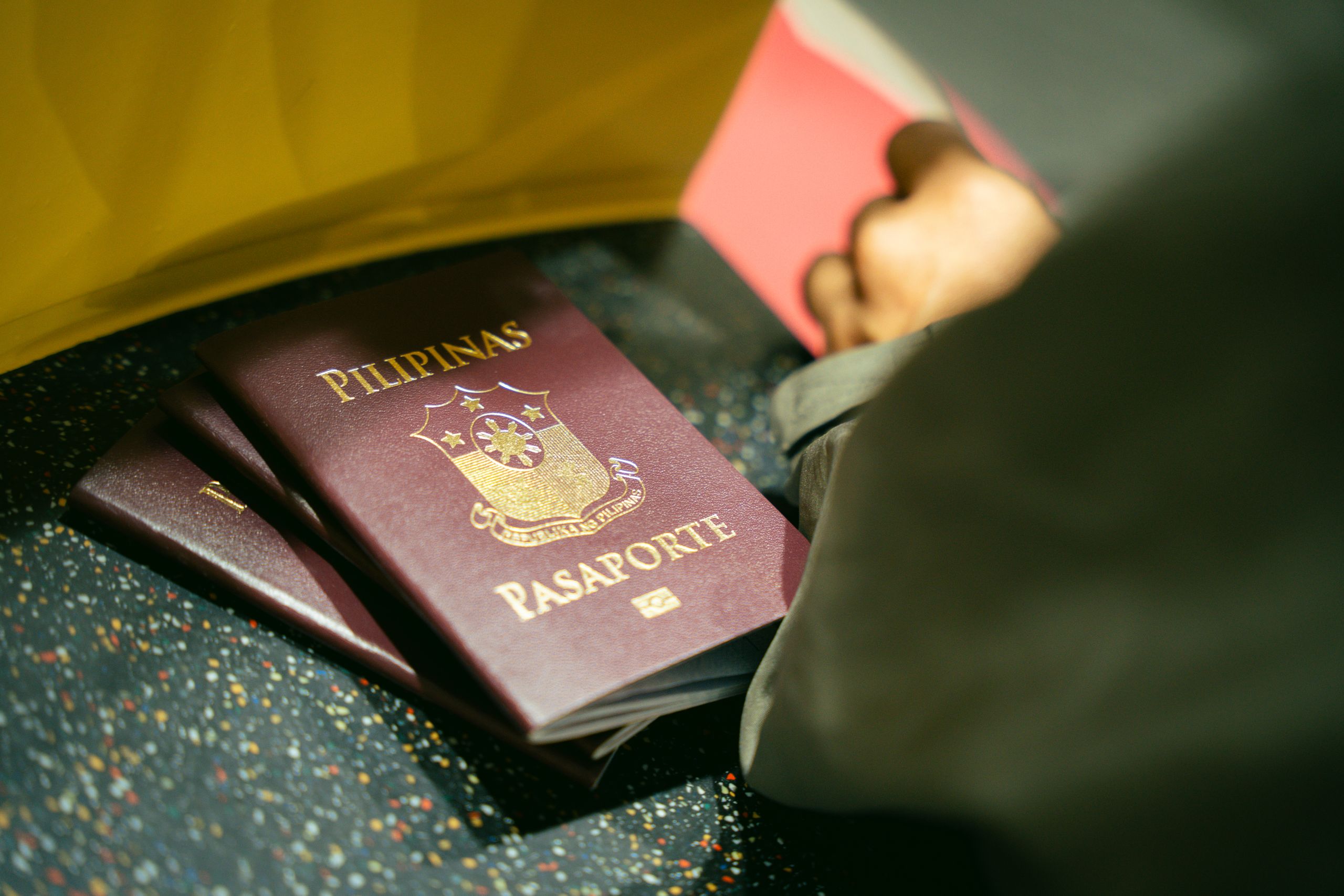
Passport applicants have historically fared better than travelers hoping to visit a park, since the State Department’s passport operations run on the fees applicants pay rather than the annual appropriations Congress fights over. Even so, the reduced availability of passport-acceptance facilities housed in other federal buildings, plus thinner staffing at processing centers, has slowed turnaround times in past shutdowns — a risk that would land squarely on travelers trying to renew passports ahead of holiday and early-2027 international trips if the December 11 deadline is missed.