Plenty of home cooks can point to a single formative influence behind their love of the kitchen, and for one creator, that influence traces all the way back to childhood afternoons spent watching cooking shows.
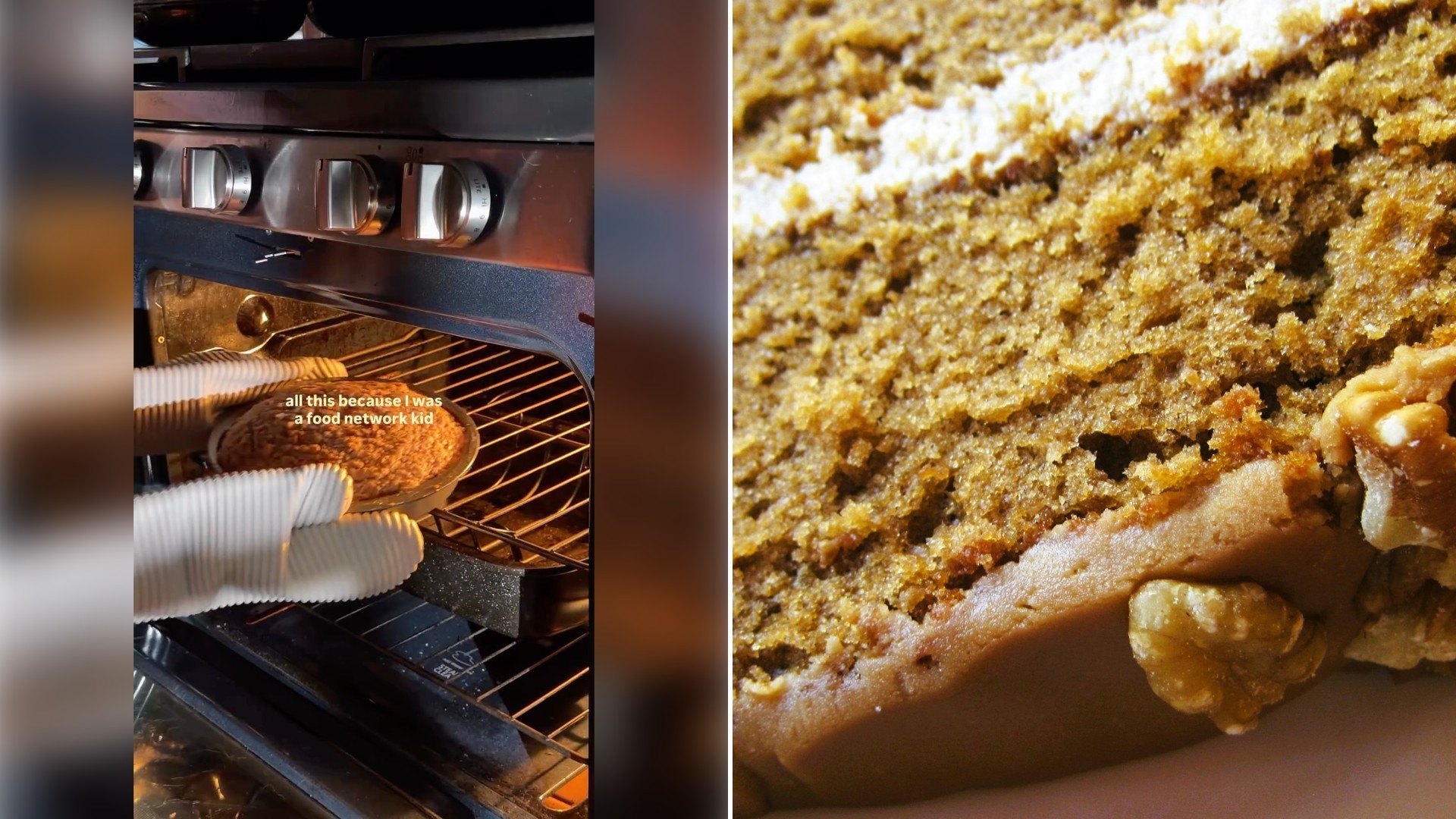
The creator, @kasey_reigner, bakes a pumpkin coffee and crumb cake from scratch, framing the entire video around a nostalgic personal note: her passion for cooking traces directly back to being what she calls a “Food Network kid” growing up. She shares the full recipe in the caption alongside the baking montage, inviting anyone watching to recreate the cake at home.
View this post on Instagram
An entire generation of home cooks came up watching televised cooking shows rather than learning primarily from a parent or grandparent standing beside them in the kitchen, and that shift quietly reshaped how a lot of people think about food. A pumpkin crumb cake baked today can still carry the emotional residue of a specific childhood memory, a rerun watched on a lazy afternoon, a recipe half-remembered from a show long since off the air.
It’s worth naming exactly what set cooking television apart from the generations of kitchen learning that came before it. A grandmother teaching a grandchild to bake passes down not just a recipe but an entire embodied sense of technique, the exact feel of dough at the right consistency, the sound a cake makes when it’s ready to come out of the oven, lessons absorbed through repetition and correction over years. A televised cooking show offers something different: aspiration, narrative, and personality, a host’s enthusiasm for a dish acting as its own kind of teaching, even when the viewer has no hands-on guidance and is simply watching from the couch. For a whole generation raised on this format, the emotional connection to cooking often formed well before any actual cooking skill did, which is precisely the dynamic this video is tapping into.
There’s something worth noting, too, about the specific role a show’s host or format plays in shaping a kid’s relationship to the kitchen from a distance. A charismatic host narrating each step with visible enthusiasm turns cooking into something closer to a story being told, one with its own rhythm of anticipation and payoff, the reveal of a finished dish functioning almost like a small climax. A child absorbing that structure repeatedly, episode after episode, is learning something less tangible than a specific recipe: an entire emotional template for what cooking is supposed to feel like, exciting, narratively satisfying, worth paying close attention to, long before they’re old enough to actually replicate any of it themselves.
Nostalgia-driven baking tends to hit differently than baking done purely for the end result, because the process itself becomes a small act of connection to an earlier version of the person doing the baking. Measuring out ingredients for a pumpkin crumb cake isn’t just about producing dessert; for someone who grew up absorbing cooking as entertainment, it’s a direct line back to exactly why they fell in love with the kitchen in the first place. That line back to childhood is part of what makes baking, specifically, such an emotionally loaded activity for a lot of people compared to savory cooking. Baked goods carry an outsized association with comfort, celebration, and home, which makes them a particularly natural vessel for this kind of nostalgic through-line between a childhood spent watching and an adulthood spent actually doing.
The decision to share the full recipe in the caption, rather than keeping the video purely as a personal, nostalgic reflection, also matters. It turns a private moment of remembering into something functional and shareable, inviting anyone watching to not just feel a secondhand version of that nostalgia but actually participate in the same activity that produced it. In a small way, that gesture mirrors the exact dynamic she’s describing from her own childhood: a show inspiring a viewer to eventually try cooking themselves, except now she’s the one doing the inspiring, passing the same impulse forward to whoever watches her video and decides to bake the cake.
Pumpkin crumb cake itself carries its own seasonal weight worth acknowledging, a dish that shows up specifically in the fall, tied to a particular stretch of the calendar rather than available and unremarkable year-round. That seasonality adds another layer to the nostalgia at play, since a lot of the childhood cooking-show memories this kind of content evokes are themselves tied to specific times of year, holiday specials, seasonal episodes, the particular cluster of pumpkin and spice recipes that flood cooking content every autumn. Baking a pumpkin crumb cake in the fall isn’t just an act of nostalgia for a general childhood love of cooking; it’s nostalgia calibrated to a specific season, stacking one layer of seasonal memory on top of another.
There’s also a broader cultural pattern worth naming in how cooking content has evolved since the era this creator is nostalgic for. Where television once offered a small handful of channels and a limited set of hosts shaping an entire generation’s relationship to food, today’s landscape is vastly more fragmented, with countless creators, each building their own niche audience around their own specific style. A video like this one, explicitly tracing a line back to that earlier, more centralized era of cooking television, functions almost as a small tribute to the format that made so much of today’s food content possible in the first place, an acknowledgment that the current wave of home cooks sharing recipes online owes something real to the cooking shows that came before.
Whatever specific shows shaped that early fascination, the crumb cake on the counter is proof the influence stuck, turned, years later, into an actual recipe someone else can now bake too, a small, tangible link connecting a childhood spent watching from the couch to an adulthood spent finally standing at the counter herself.