With fluctuating economic conditions and changing agricultural yields, consumers are constantly on the lookout for potential savings at the grocery store. While prices have risen in recent years, several items may soon see a reduction in cost due to various factors such as increased production and reduced demand. Understanding which groceries might become more affordable can help shoppers plan their budgets more effectively.
Dairy Products
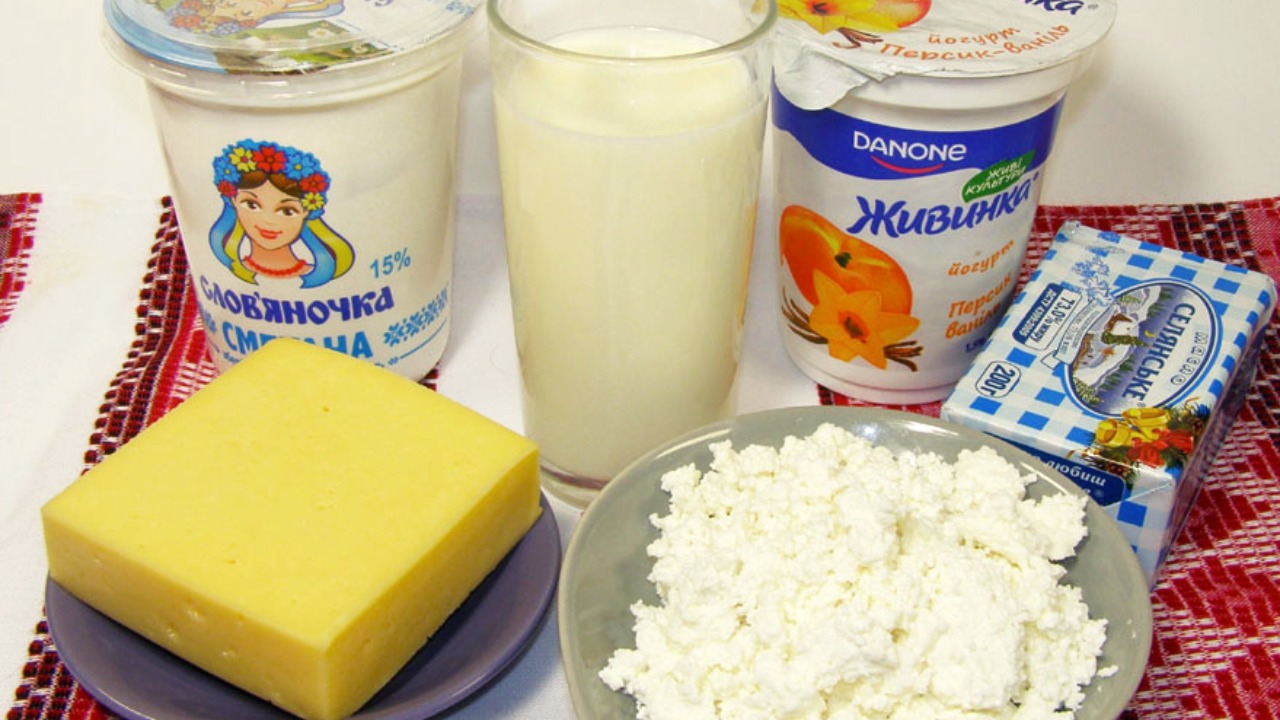
Dairy products like milk, cheese, and yogurt may soon see a decrease in prices. Factors such as improved dairy farming practices and increases in milk production have contributed to a surplus in the market. For instance, in the U.S., milk production has been rising steadily, leading to an oversupply situation. As a result, consumers may benefit from lower prices as producers work to clear inventory.
Additionally, global trade dynamics have affected dairy prices. With countries like New Zealand and Australia increasing their dairy exports, competition in the global market has intensified. This competition often leads to price adjustments, which can result in more affordable options for consumers at local grocery stores.
Bread and Bakery Items

Bread and bakery items might also experience a price drop due to a decline in the cost of wheat and other grains. According to recent agricultural reports, wheat production has been robust, leading to a surplus that is expected to drive prices down. This is good news for consumers, as the cost of raw materials directly impacts the final price of bread and other baked goods.
Moreover, technological advancements in baking processes have improved efficiency, allowing bakeries to produce more at a lower cost. The combination of reduced ingredient costs and enhanced production methods may result in more affordable prices on your favorite bread, pastries, and other baked treats.
Fresh Produce
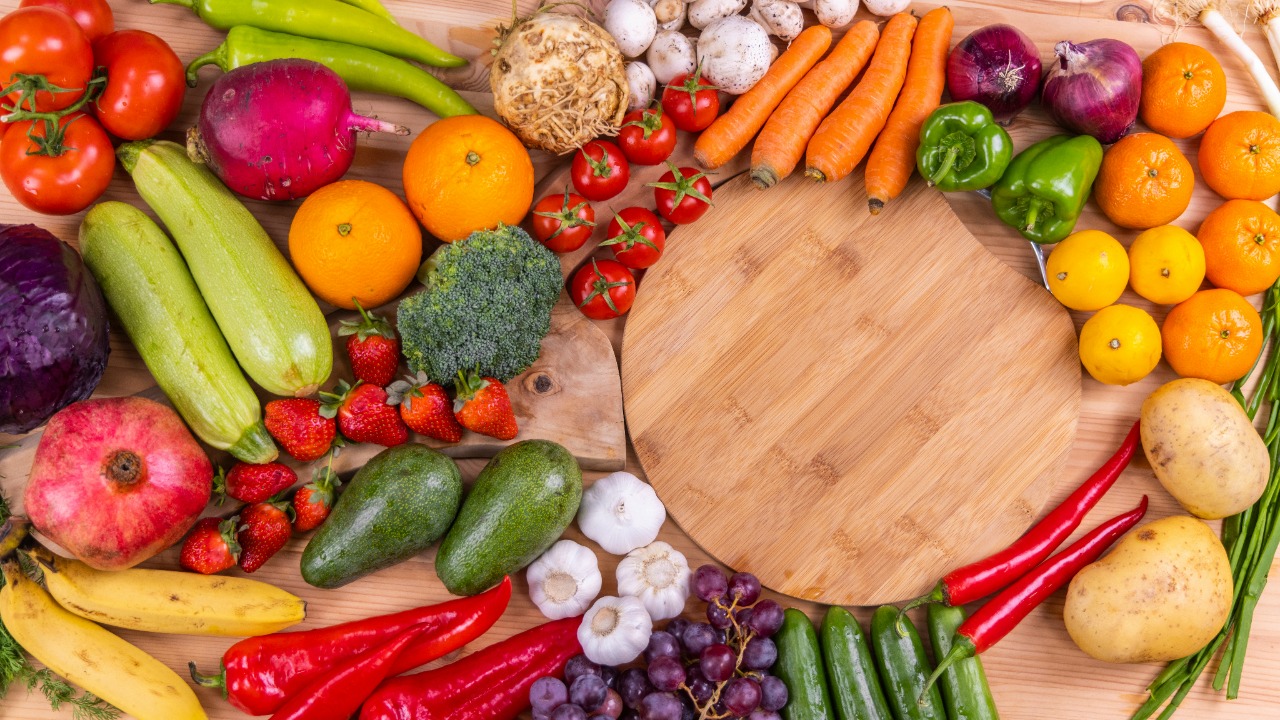
Fresh produce such as fruits and vegetables may soon become more economical due to favorable weather conditions and improved agricultural techniques. According to the USDA, regions like California and Florida have reported bumper crops, leading to an abundance of fresh produce in the market. This surplus is likely to translate into lower prices at the grocery store.
Furthermore, initiatives aimed at reducing food waste and improving supply chain efficiency are also contributing factors. With better storage and transportation solutions, fresh produce can reach consumers more quickly, reducing spoilage and allowing for lower pricing.
Frozen Vegetables
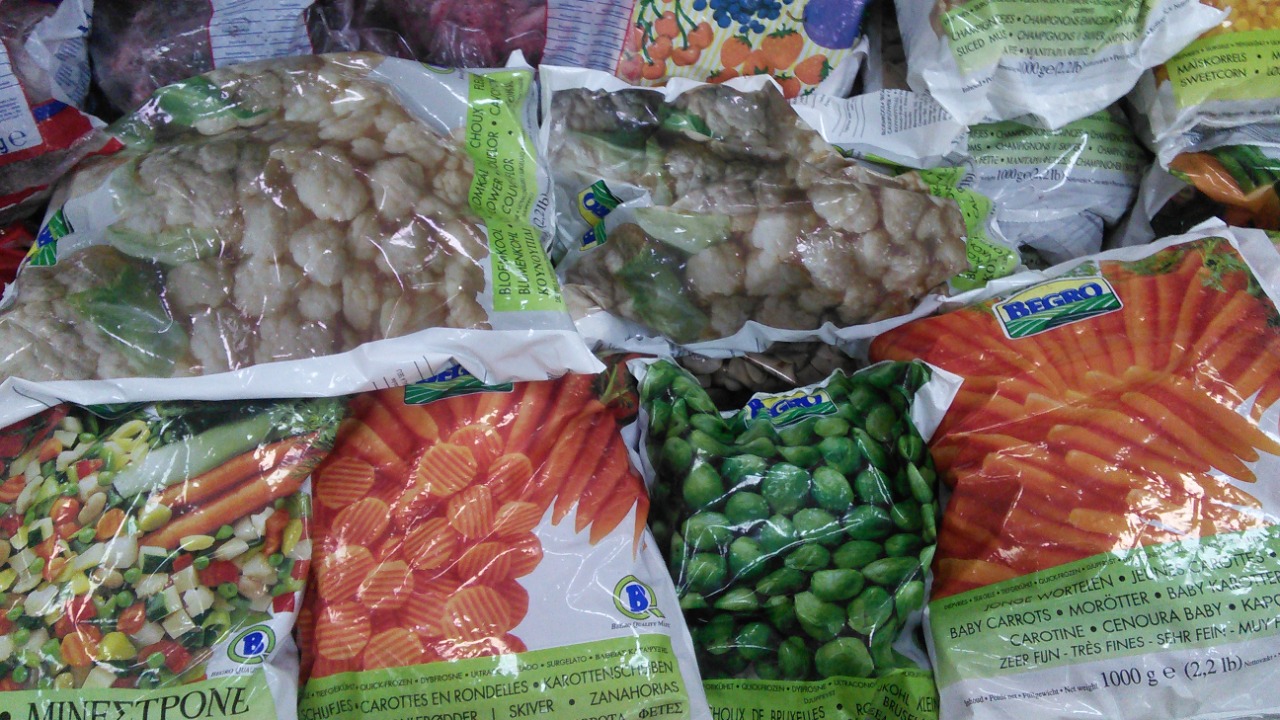
Frozen vegetables offer convenience and a long shelf life, and they might soon be more affordable as well. Advances in freezing technology have made the production process more cost-effective, allowing manufacturers to pass the savings on to consumers. Additionally, as demand for frozen products increases, economies of scale come into play, further reducing costs.
Many consumers are turning to frozen vegetables as a way to minimize food waste while still getting their daily nutrients. This shift in consumer behavior has encouraged manufacturers to optimize production, resulting in potential price reductions on popular frozen vegetable brands.
Canned Goods
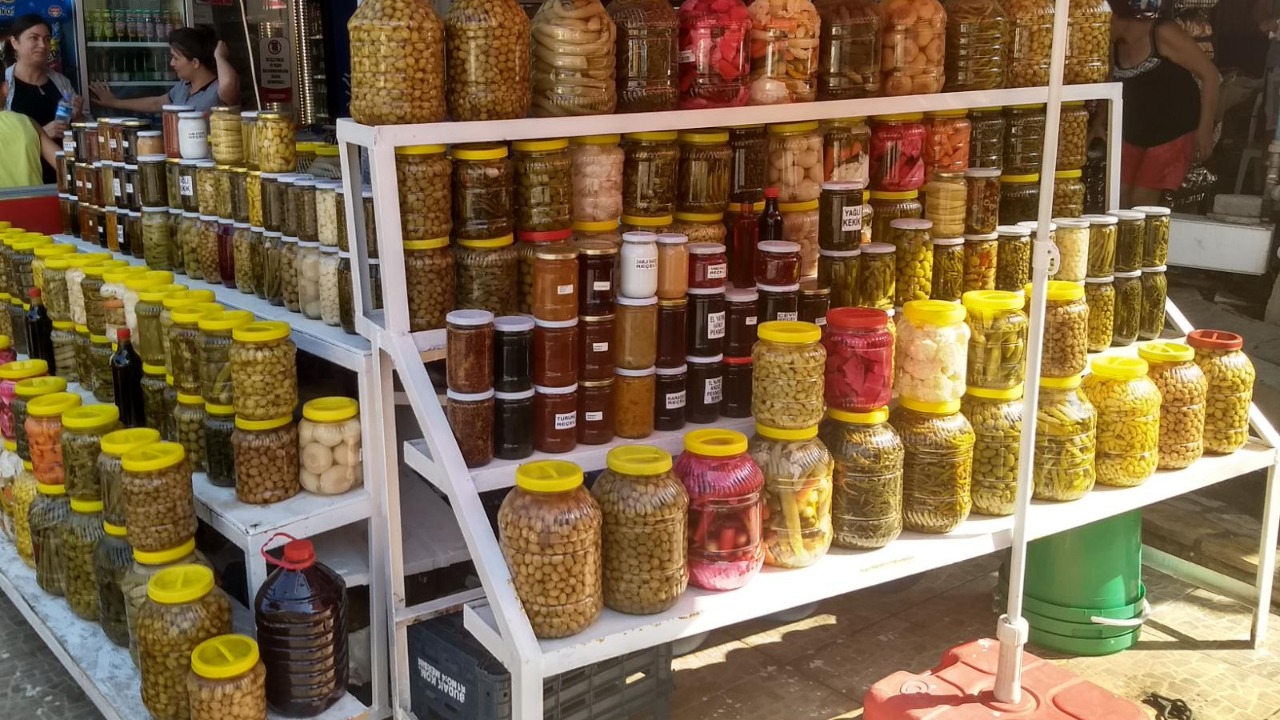
Canned goods, including vegetables, soups, and beans, might see a price drop due to increased production and stabilization of tin prices. The cost of tin, a crucial material for canning, has been volatile in the past. However, recent trends indicate a stabilization, making it cheaper for producers to package their goods.
Additionally, innovations in food preservation and canning methods have streamlined the production process. With more efficient systems in place, manufacturers are better equipped to manage costs, potentially leading to lower prices on canned goods found in your local grocery aisle.
Poultry
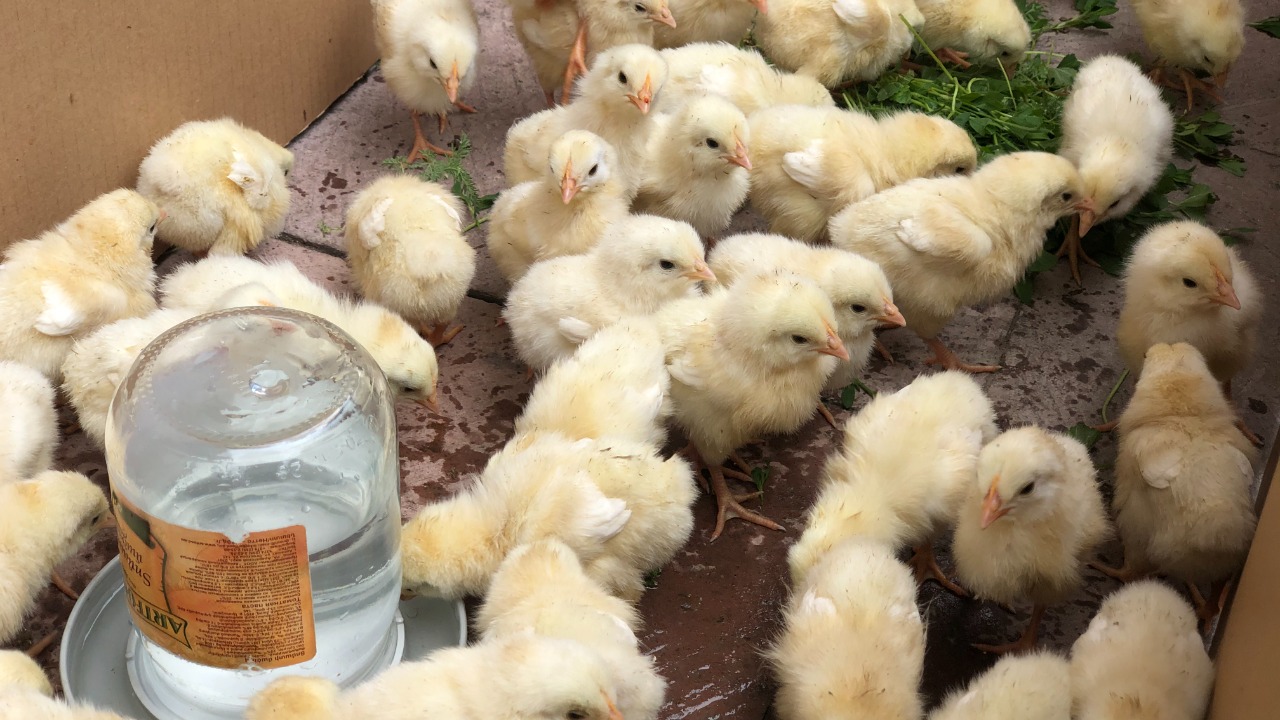
Poultry, a staple protein source for many households, might become more affordable as production rates rise. According to the USDA, poultry production has been on the upswing, with increased yields from poultry farms across the country. This increase in supply is likely to drive prices down as producers seek to sell their surplus stock.
Moreover, advancements in poultry farming practices, such as improved feed efficiency and better disease management, have contributed to increased production at lower costs. These improvements mean that consumers may soon find more budget-friendly options for their chicken and turkey purchases.
Pork
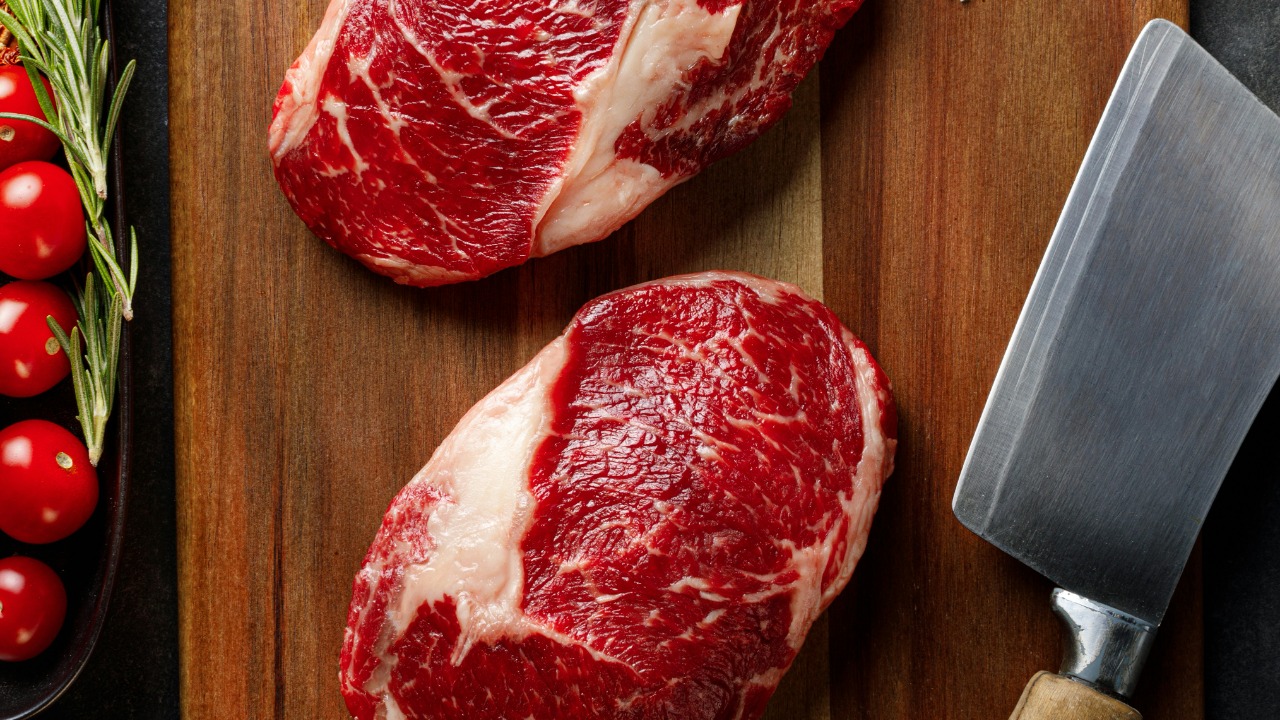
Pork prices might decrease due to a combination of increased production and changes in consumer preferences. With more efficient breeding and farming techniques, pork producers are yielding higher outputs, leading to a surplus in the market. This surplus is expected to result in lower prices at the grocery store.
Additionally, some consumers have shifted their dietary preferences towards alternative protein sources, such as plant-based options. This change in demand dynamics has encouraged pork producers to adjust prices to remain competitive, offering potential savings for pork lovers.
Beef
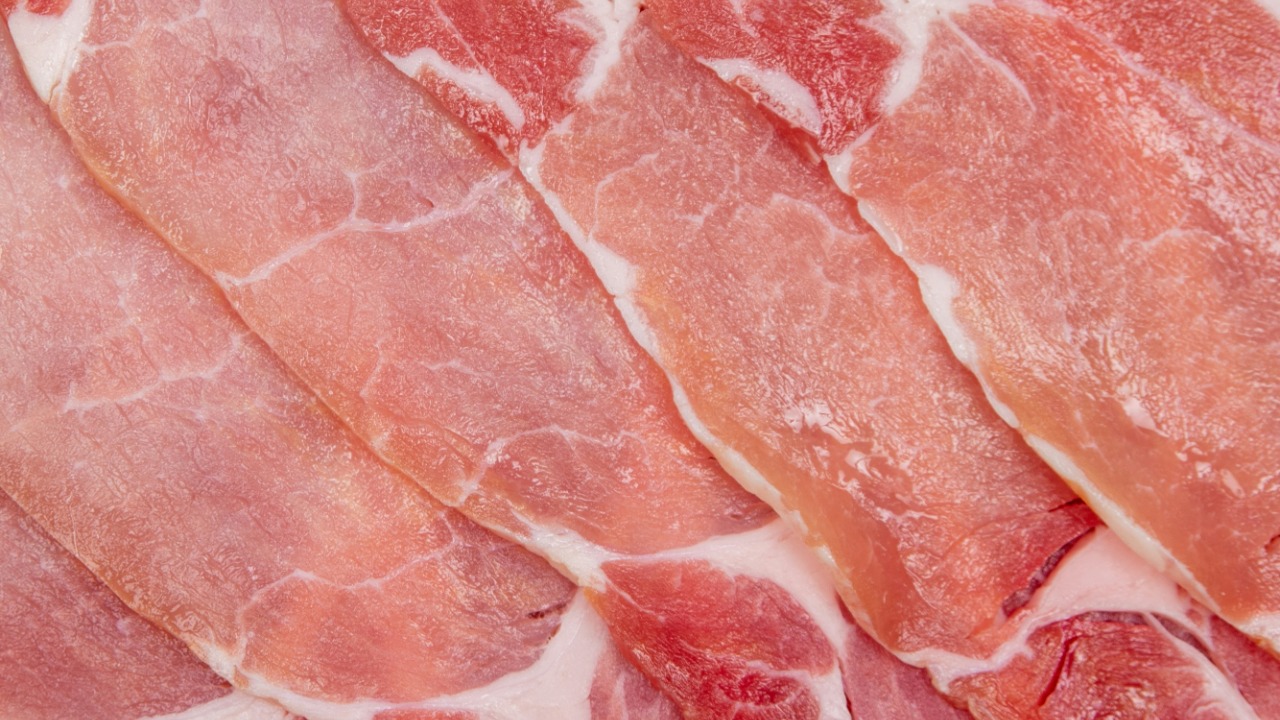
Beef prices may become more affordable as cattle production rebounds following previous declines. According to industry reports, favorable weather conditions and improved feed availability have contributed to increased cattle numbers. As a result, the beef supply is expected to rise, potentially leading to a decrease in prices.
Furthermore, changes in international trade agreements have opened up new markets for beef exports, creating an incentive for producers to increase production. As the market becomes more competitive, consumers may benefit from better pricing on cuts of beef at their local supermarkets.
Seafood
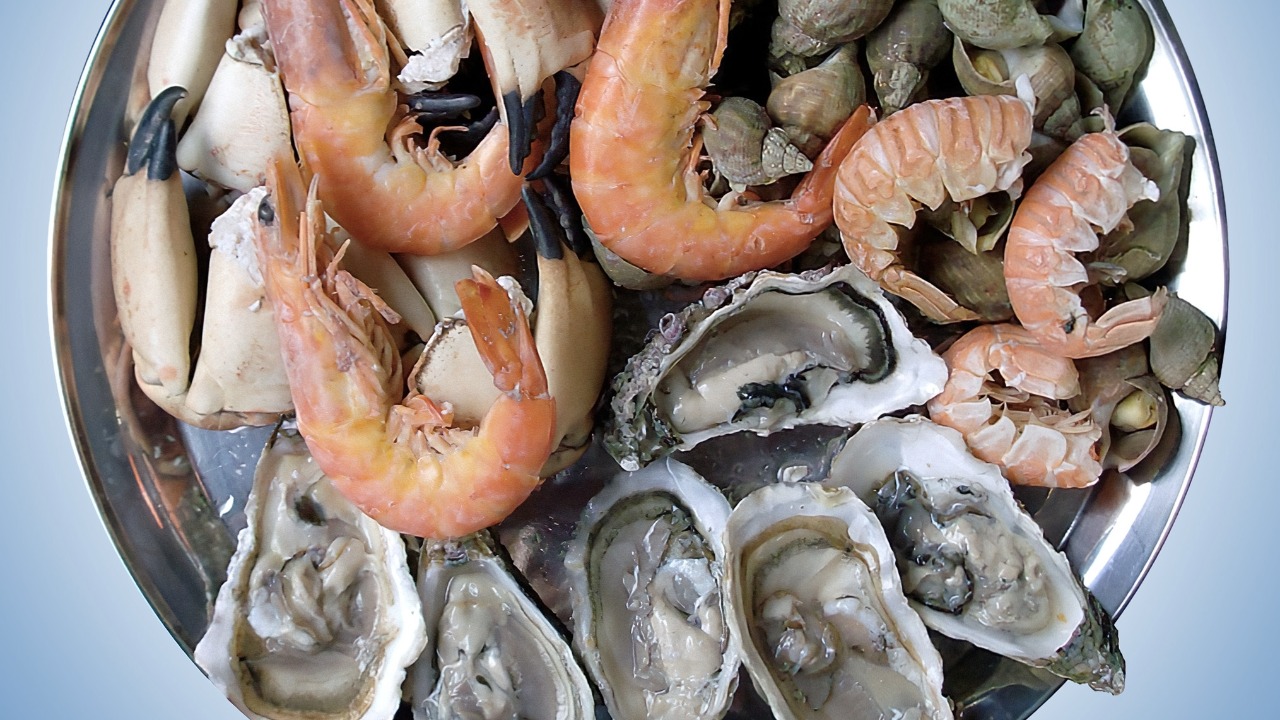
Seafood, including fish and shellfish, might see a reduction in prices due to sustainable fishing practices and aquaculture advancements. Responsible fishing methods have helped maintain fish populations, ensuring a steady supply in the market. This stability can lead to more competitive pricing for consumers.
Additionally, the growth of aquaculture, or fish farming, has increased the availability of popular seafood items such as salmon and shrimp. As aquaculture operations become more efficient, the cost of production decreases, allowing consumers to enjoy their favorite seafood dishes at more affordable prices.
Pasta and Grains
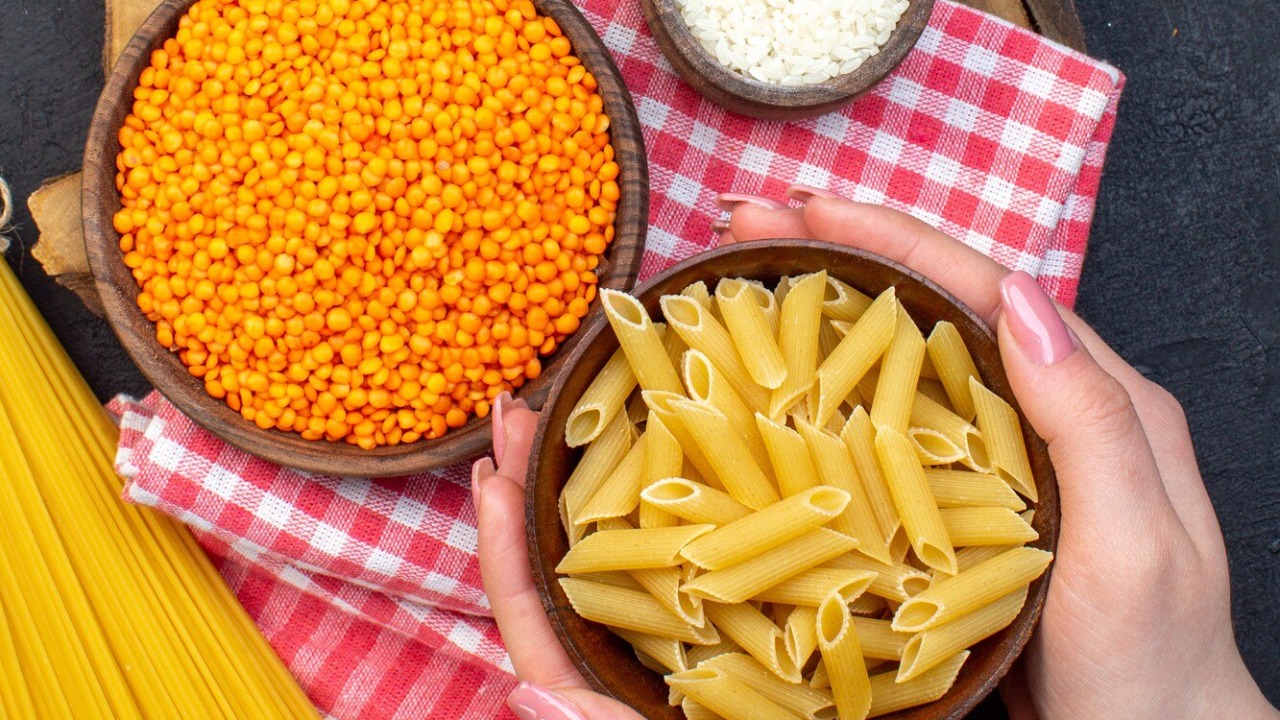
Pasta and grains, staples in many households, may see a price decrease due to improved crop yields and reduced transportation costs. Advances in agricultural practices have led to higher yields of wheat, rice, and other grains, contributing to an abundant supply.
Furthermore, as fuel prices stabilize, the cost of transporting these goods to grocery stores decreases. This reduction in logistical expenses can be passed on to consumers, resulting in lower prices for pasta and grain products, such as spaghetti, rice, and quinoa.
Snack Foods

Snack foods, including chips, crackers, and pretzels, might become more budget-friendly as manufacturers find ways to optimize production. With the rise of automation and technology in food processing, companies are able to produce snacks more efficiently, reducing costs.
In addition, changing consumer preferences towards healthier snack options have encouraged producers to diversify their offerings. This competition in the snack market can lead to price adjustments, giving consumers access to a wider range of affordable snack choices.
Breakfast Cereals

Breakfast cereals might see a price reduction as a result of increased grain production and changes in consumer trends. With more people opting for varied breakfast options, cereal manufacturers have had to adapt by offering diverse products to cater to evolving tastes.
As a result, cereal producers are focusing on cost-effective production methods to remain competitive. The combination of higher grain yields and efficient manufacturing processes may lead to more affordable prices on your favorite breakfast cereals.
Condiments and Sauces

Condiments and sauces, such as ketchup, mustard, and pasta sauce, might become more affordable as production methods improve. Advances in food processing technology have allowed manufacturers to produce these items more efficiently, reducing costs.
Additionally, increased competition in the condiment market has driven innovation, leading to more diverse product offerings. This competition often results in price adjustments, providing consumers with a broader selection of cost-effective condiments and sauces to enhance their meals.
Non-Dairy Milk Alternatives
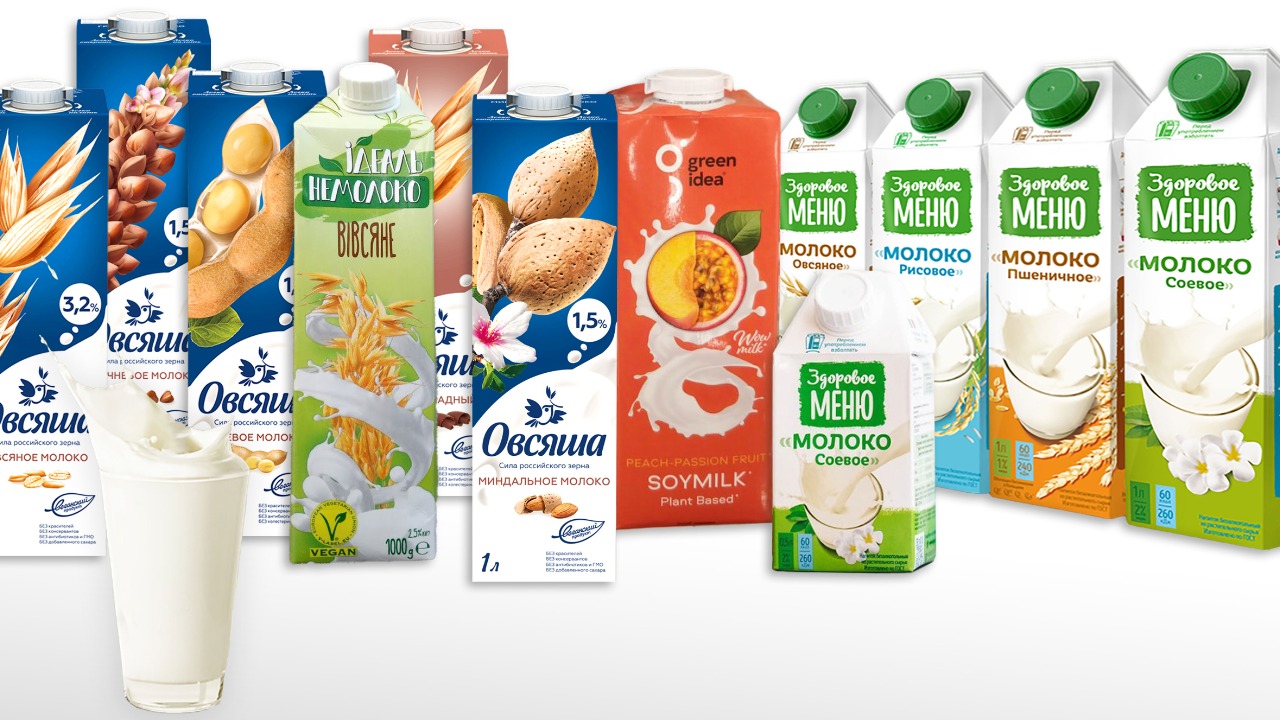
Non-dairy milk alternatives, such as almond, soy, and oat milk, might decrease in price as demand grows and production becomes more efficient. With more consumers seeking plant-based options, producers have ramped up production to meet demand.
As production scales, the cost of manufacturing non-dairy milk alternatives is expected to decrease. This, coupled with the entry of new brands into the market, may lead to more competitive pricing, allowing consumers to enjoy their preferred non-dairy beverages at lower costs.
Coffee and Tea

Coffee and tea, morning staples for many, might see a price drop due to improved harvests and changes in global demand. According to recent reports, coffee-producing regions in South America have experienced favorable growing conditions, leading to an increase in supply.
Similarly, tea production in countries like India and China has seen robust growth. As the supply of coffee and tea increases, prices are likely to become more competitive. This means that consumers might soon enjoy their daily caffeine fix at a more affordable price.

As a mom of three busy boys, I know how chaotic life can get — but I’ve learned that it’s possible to create a beautiful, cozy home even with kids running around. That’s why I started Cultivated Comfort — to share practical tips, simple systems, and a little encouragement for parents like me who want to make their home feel warm, inviting, and effortlessly stylish. Whether it’s managing toy chaos, streamlining everyday routines, or finding little moments of calm, I’m here to help you simplify your space and create a sense of comfort.
But home is just part of the story. I’m also passionate about seeing the world and creating beautiful meals to share with the people I love. Through Cultivated Comfort, I share my journey of balancing motherhood with building a home that feels rich and peaceful — and finding joy in exploring new places and flavors along the way.