You have probably heard the word shrinkflation by now, but one shopper says that word no longer goes far enough. @toysoldiermarketing opens his short rundown with a new name for the trend. “This is no longer shrinkflation,” he says. “I’m calling it greedflation.” His caption adds a personal complaint that many readers will recognize: “I want my chocolate chips back.”
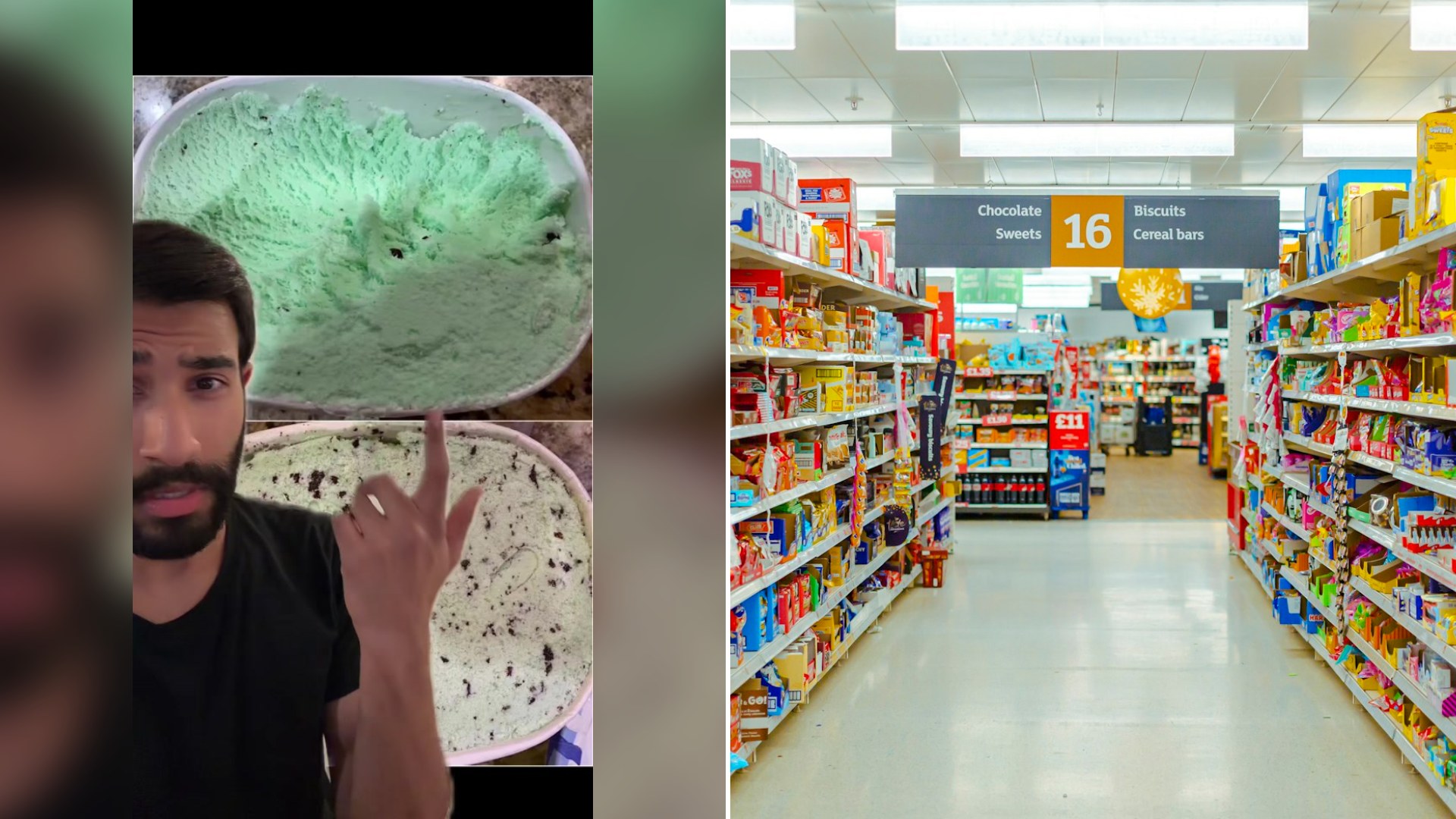
In a short rundown, he rattles off a list of everyday products that, in his telling, have been quietly giving customers less. Here is what he says, and then what you can do about it.
@toysoldiermarketing
The list, in his words
He starts with Head and Shoulders, saying the company increased the size of its bottle but actually gives you an ounce less shampoo inside. Next, he points to Clif Bars, saying a box that used to hold six bars now holds five, even though the box itself stays the same size.
He then turns to drinks, saying some have gone from 70 percent juice to 60 percent juice. He says cheese sticks are visibly shrinking in size. And he mentions CeraVe, saying the bottle looks identical but has gone from 12 fluid ounces to 11.
These are his claims, shared in a quick overview, and he does not give dates for when each change took place. Still, he lands on a clear message: “The only way to stop this is to vote with your wallet.” He ends by asking people to follow him so he can keep exposing brands that do this.
Shrinkflation versus greedflation
Shrinkflation is the plain term for a product that shrinks while its price stays put or rises. The creator’s twist, greedflation, suggests that companies are cutting amounts not because they have to, but simply because they can. That is an opinion, and companies often give a different explanation. Many say that the cost of ingredients, packaging, labor, and shipping has gone up, and that a smaller package keeps a familiar price point rather than forcing a bigger jump at the register.
Both things can be true at once. Costs can rise, and shoppers can still feel that they are being asked to pay the same for less without being told. What makes shoppers uneasy is not just the change, but how quietly it often happens. A new package size might be noted in small print near the bottom of the label, while the front looks the same as always.
Why the little changes add up
An ounce here or a bar there can seem harmless. But consider how often you buy these items. If a household buys a box of snack bars every week, losing one bar per box means going without roughly fifty bars over the course of a year, about ten boxes’ worth. A bottle that is one fluid ounce smaller costs about nine percent more per ounce when the price stays the same. A drink with less juice in it is also a change in what you are actually buying, not only how much of it.
Because the shelf price does not move, most people never notice. That is why a quick comparison can be so revealing.
How to spot a shrinking product
You do not need to follow anyone online to protect your budget. A few simple habits go a long way:
- Check the unit price on the shelf tag. Most stores list the price per ounce, per count, or per 100 sheets. It is the quickest way to compare a new package against an old one.
- Read the net weight or count. The number near the bottom of the front label tells you exactly how much is inside. Compare it with the size you remember.
- Hold on to an empty package. Keeping a photo of the label on your phone lets you check the next purchase against it.
- Read the ingredients and percentages. Changes such as a lower juice percentage show up there, and they are easy to miss.
- Try store brands. These often change less frequently and can offer a better value per unit.
- Watch the package shape. Dents in the bottom of a bottle, thicker plastic walls, or empty space in a box can hide a smaller amount.
Here is a quick example of the math. If a 12 ounce bottle sells for $10, it costs about 83 cents an ounce. If the same bottle later holds 11 ounces at the same $10, it works out to about 91 cents an ounce. The shelf tag does this division for you, which is why the unit price is the most reliable number on the label.
Voting with your wallet
His closing advice is a practical one, and it fits a lot of what people already do. Shoppers who notice a change can switch brands, try a store version, buy a larger size when the unit price is better, or simply buy less of something that no longer feels worth it. Companies pay close attention to what sells, and a drop in sales for a shrunken product sends a clearer message than a complaint ever could.
You can also tell the company directly. Most packages list a phone number or website for comments, and a polite note saying you noticed a change in size and price is worth sending. If many people do the same, it is hard to ignore.
Whether you prefer the word shrinkflation or greedflation, the main takeaway is the same. A familiar package does not guarantee a familiar amount. A moment spent reading the label and checking the unit price can save real money over a year, and it keeps you in charge of what you pay for. And if you are one of the many who share his wish for fuller bags of chocolate chips, you are certainly not alone.