Packing your kid’s lunch is supposed to be the budget move. New survey data says otherwise: a packed school lunch now averages $6.33 a day, more than double the $3.15 a standard cafeteria tray runs nationally. And half of parents think it’s about to get worse.
Key Points
- Deloitte surveyed 1,207 parents of K-12 kids May 22-29, 2026, with a margin of error of ±3 points.
- A packed lunch averages $6.33 a day versus $3.15 for a cafeteria meal — both up roughly 2% from last year.
- The cheapest packed option, a classic PB&J, still runs $4.89; the priciest, a chicken-and-avocado quesadilla lunch, hits $7.49.
- 50% of caregivers expect lunch costs to climb further this school year, and only 31% think cafeteria food is actually healthier than what they pack.
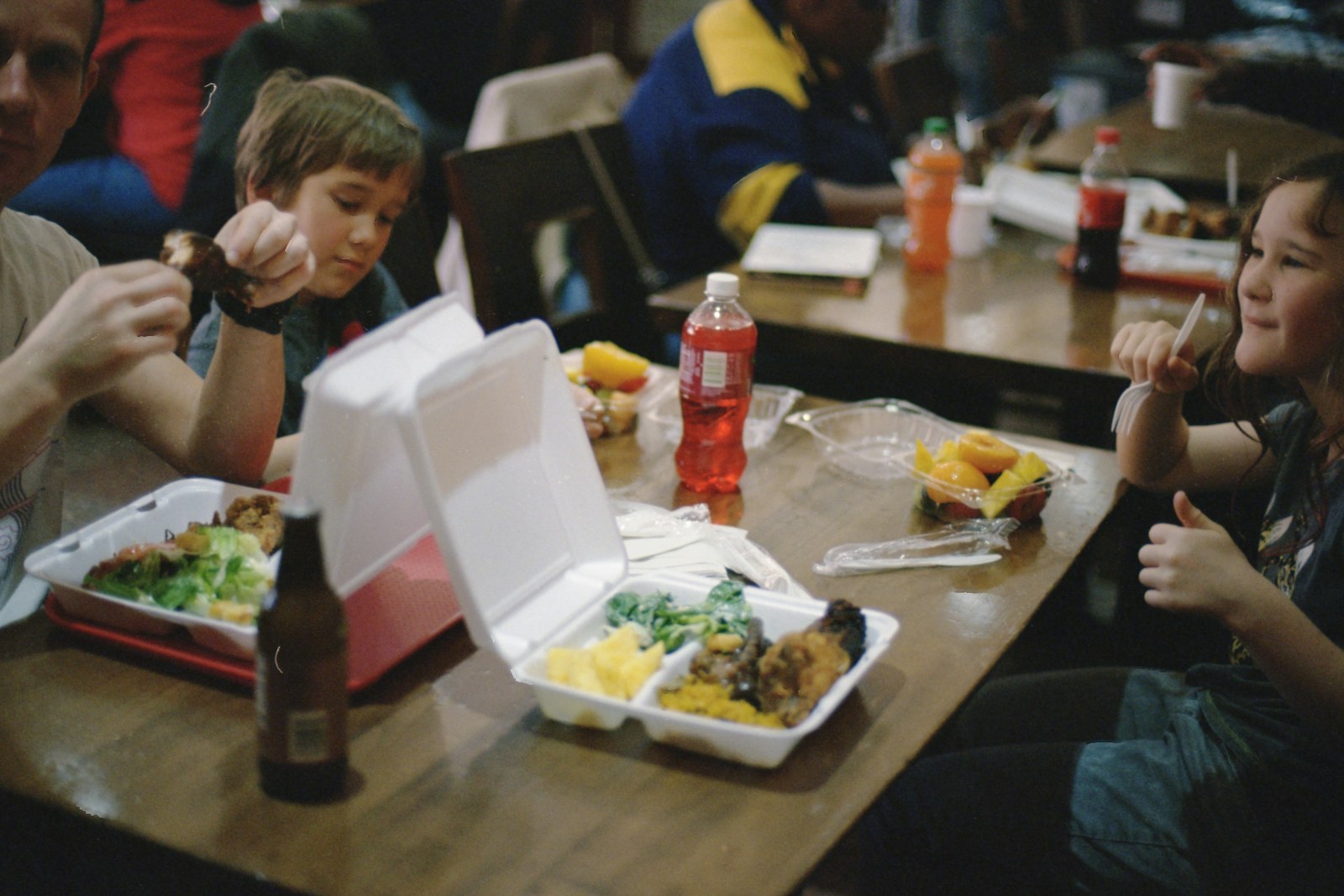
The gap is bigger than most parents probably assume. Deloitte’s researchers priced out five common lunch builds and none of them came close to the cafeteria’s $3.15 number, according to The Shelby Report’s breakdown of the data: a classic PB&J lunch at $4.89, a protein bowl at $6.71, and a chicken-and-avocado quesadilla lunch topping the list at $7.49. Even the cheapest homemade option costs 55% more than what the school charges at the register.
Part of what’s driving the price gap is that parents aren’t just optimizing for cost — they’re optimizing for what their kids will actually eat, plus health concerns the cafeteria isn’t solving for them. Deloitte found 82% of parents want their kids eating healthier at school and 74% specifically want more fresh, less-processed food in cafeteria meals. Half said they’d pay roughly 7% more for products free of artificial dyes and additives — which tracks with why a lunch built around avocado and grilled chicken costs more than one built around jelly.
Grocers are already leaning into the anxiety. The Giant Company, a roughly 200-store chain based in Pennsylvania, put pharmacists and dietitians to work as back-to-school resources this month and ran a donation-matching program alongside a free virtual lunch-planning class. “Back-to-school can be a stressful time for many families, but a little preparation now can deliver big value later,” said Nick Koch, the chain’s director of pharmacy and wellbeing, in comments tied to the program’s launch. Deloitte’s data backs up why that kind of planning matters financially: 37% of parents now say they use AI tools to research or plan packed lunches, an entirely new line item in the back-to-school budget conversation that didn’t exist a few years ago.
How to actually close the price gap
The math favors batch-cooking over buying pre-portioned convenience items, which is where most of that $6.33 average is hiding. A few swaps that keep the “healthier than the cafeteria” goal without the $7 price tag:
- Rotisserie chicken, divided five ways: One $7-$8 store rotisserie chicken shredded into wraps, quesadillas, and pasta salad covers roughly five lunches, bringing the protein cost per lunch under $1.60 versus buying pre-sliced deli chicken or individual protein-bowl components.
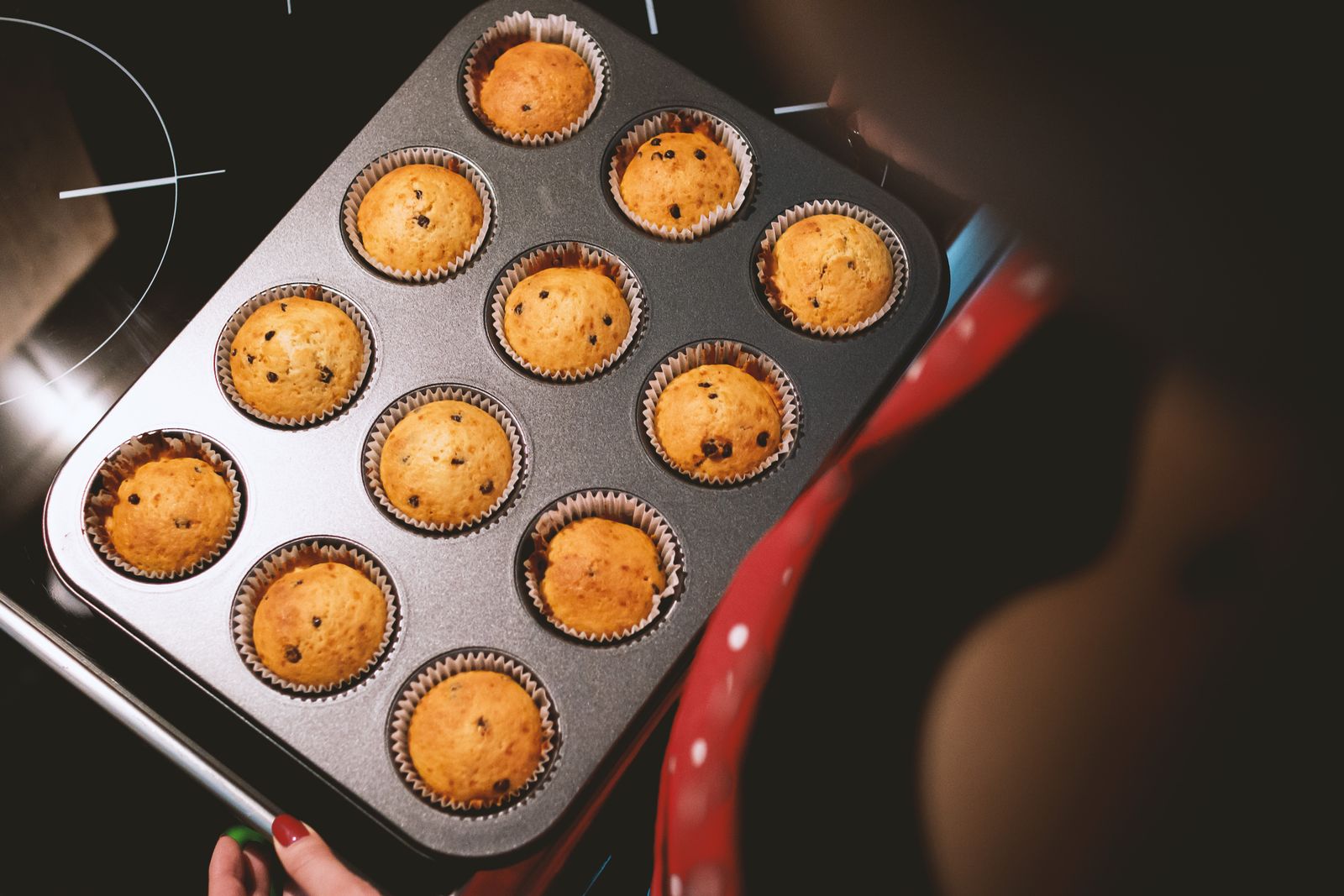
- Sunday egg muffins: A dozen eggs, a cup of shredded cheese, and whatever vegetables are about to turn in the crisper drawer baked in a muffin tin at 350°F for 18-20 minutes makes a week of protein-forward lunches for under $4 total.
- DIY lunchable, real ingredients: Whole-grain crackers, a block of cheese cut into cubes yourself, and sliced deli meat bought in bulk costs roughly half of a pre-packaged lunch kit while cutting the sodium and preservative load parents say they’re trying to avoid.
None of that erases the underlying trend: packing lunch used to be the frugal default, and now it’s a premium choice parents are making on purpose, for reasons that have nothing to do with saving money.