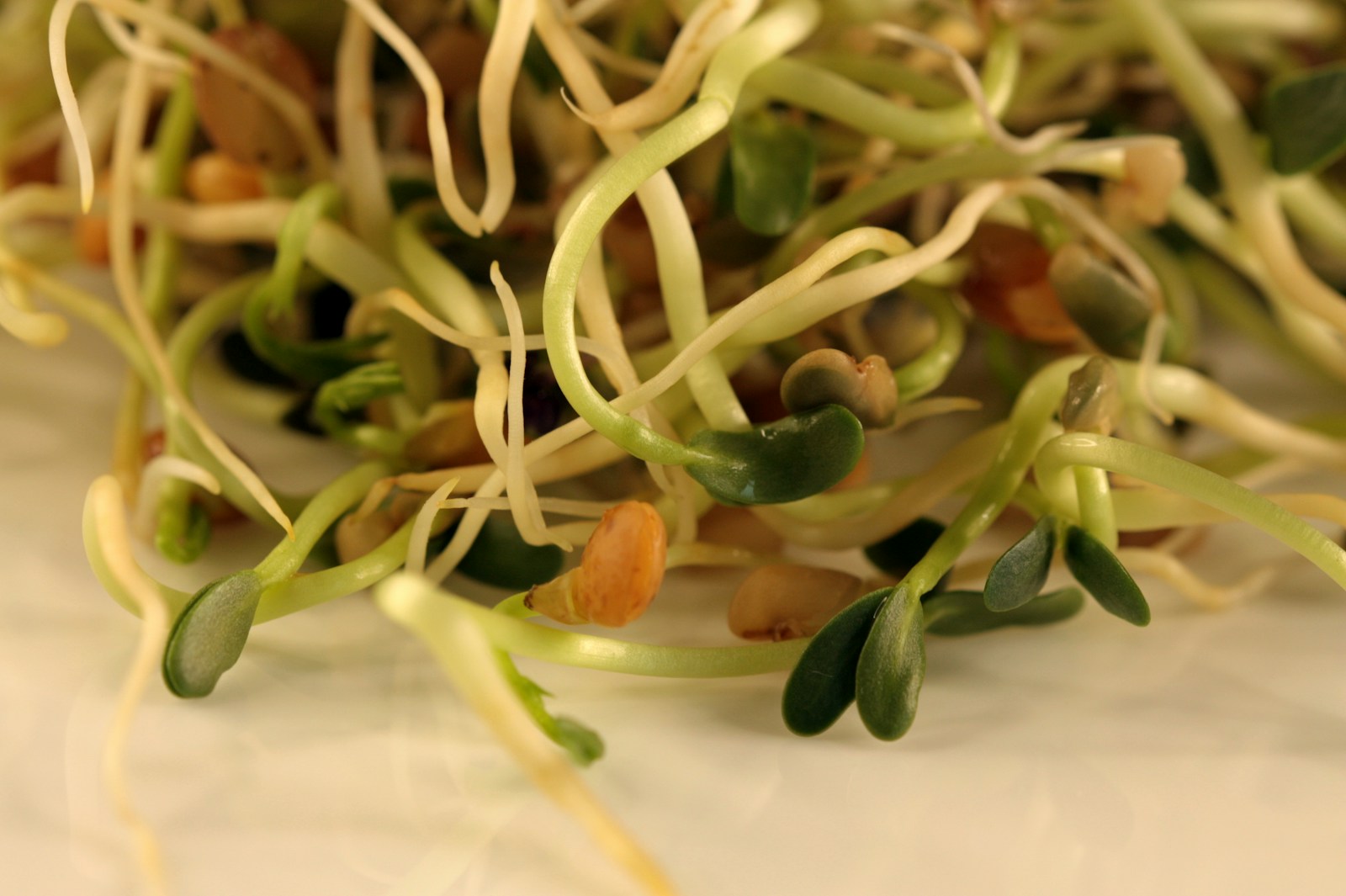
A Minnesota sprout grower’s alfalfa products are tied to 55 illnesses across 15 states, and the outbreak involves two different foodborne pathogens turning up at once — an unusual combination that has already forced the company to widen its recall twice in the last week.
Key Points
- Everything Sprouts, LLC of Minneapolis first recalled its alfalfa sprouts on August 22, 2026, then expanded the recall on August 28 to add a Robust Radish Mix.
- As of the CDC’s latest update on August 24, 55 people across 15 states have gotten sick, 4 have been hospitalized, and no deaths have been reported.
- The outbreak involves three strains of Shiga toxin-producing E. coli (O26:H11, O103:H25, and O168:H8) plus Salmonella Agona — and the CDC says two patients were infected with both pathogens simultaneously.
- The FDA investigation remains open as of this week, with officials still working to pin down the exact contamination source.
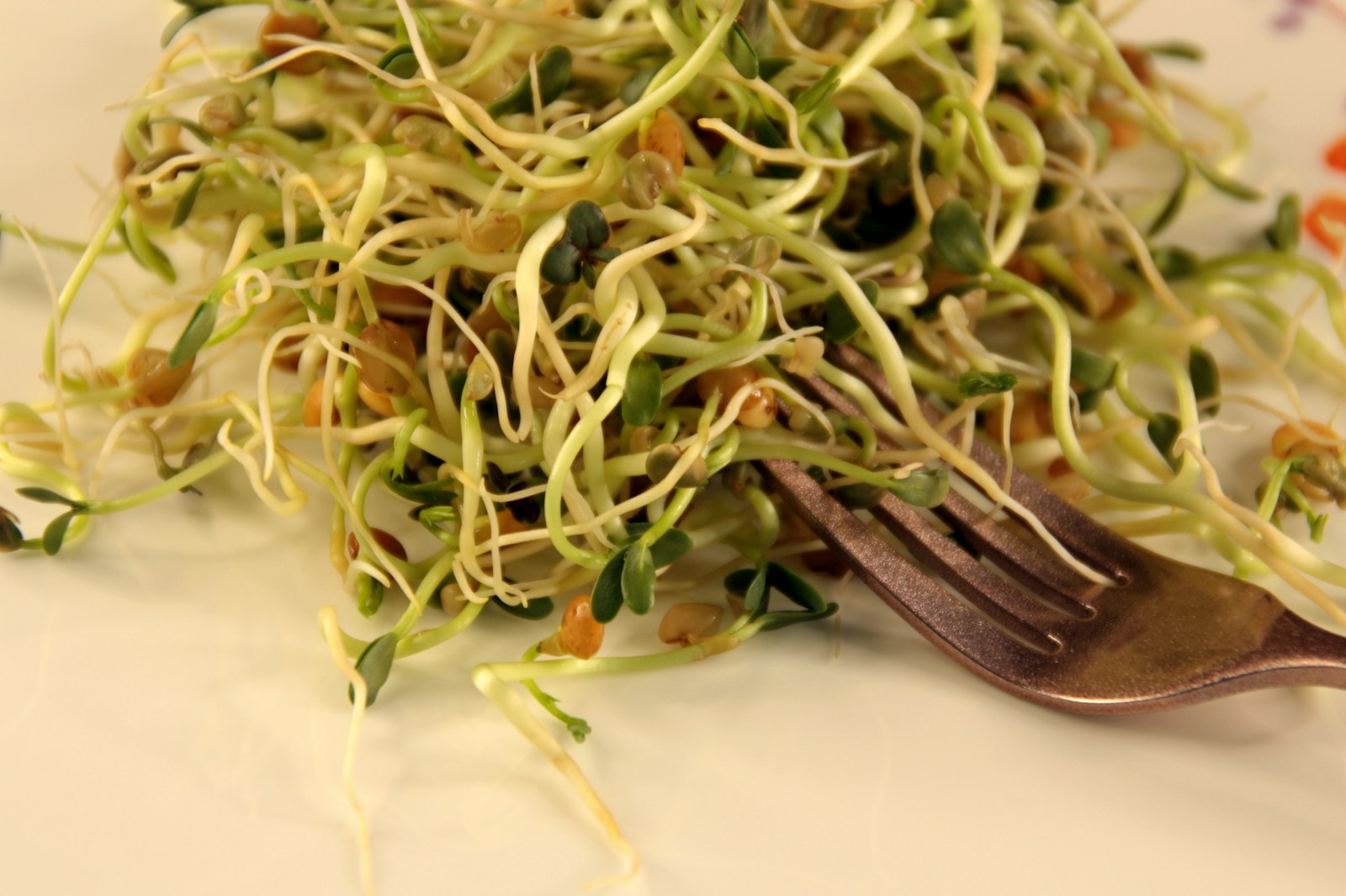
Getting hit with two pathogens in one outbreak is not typical. STEC and Salmonella are both common causes of sprout-related illness individually — raw sprouts are grown in warm, humid conditions that are also ideal for bacterial growth, which is why health agencies have warned about them for decades — but the CDC’s confirmation that some patients tested positive for both organisms at once points to contamination that reached the product through more than one route, or at more than one point in the growing and packaging process.
The recalled products were sold under the Everything Sprouts and Calco brand names in 5-ounce containers: plain alfalfa sprouts, a Crunchy Protein Sprout Mix, and a Zesty Garlic Mix, distributed to wholesalers and grocery stores in Minnesota and Wisconsin between May 27 and August 21. The expanded recall added a Robust Radish Mix distributed August 13-26 under lot numbers 223, 226, 230, and 233. The FDA notes that, as of the expansion, no illnesses have been linked specifically to the radish mix — it was pulled preemptively because it shared growing and packaging lines with the products already tied to the outbreak.
Symptoms of STEC infection typically include severe stomach cramps, diarrhea (often bloody), and vomiting, and in severe cases can progress to hemolytic uremic syndrome, a type of kidney failure that is more common in young children and older adults. Salmonella infection usually causes diarrhea, fever, and abdominal cramps that resolve within a week in healthy adults but can be more serious in infants, older people, and anyone with a weakened immune system.
Anyone with the recalled products in their fridge is advised to throw them out rather than attempt to cook or rinse them — sprout contamination happens at the seed and root level, so surface rinsing does not reliably remove it. The CDC also recommends sanitizing refrigerator shelves, bins, and any surfaces the containers may have touched. As of this week the investigation is ongoing and case counts could still change; this article reflects the most recent confirmed figures from the CDC and FDA.