

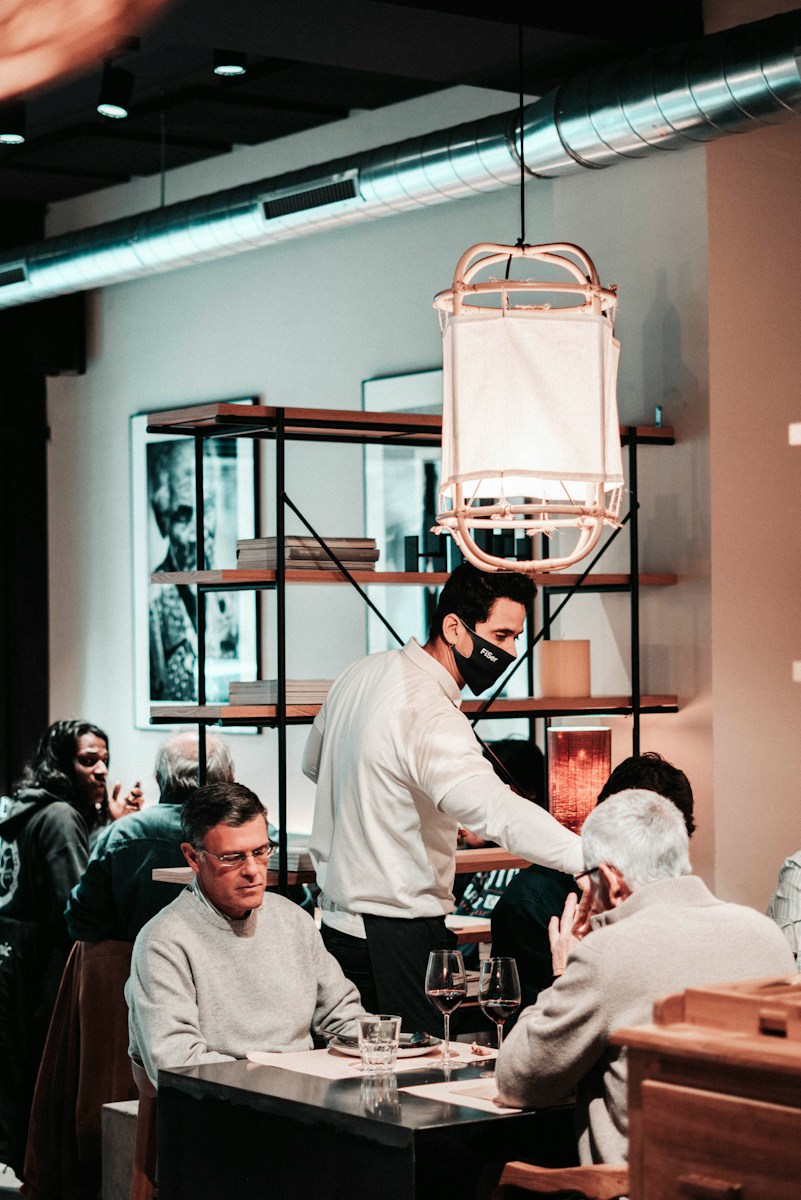
A good server reads a table before they’ve even reached it. It’s not a party trick, it’s just pattern recognition built over hundreds of shifts, the kind of instinct that tells you within the first thirty seconds roughly what kind of evening you’re walking into. Most of that read comes from small, almost unconscious signals that customers themselves rarely think twice about giving off.
None of this is about judging people. It’s about servers doing what any observant person does in a job built around reading strangers quickly, and the signals below are the ones that come up again and again, across restaurants, cities, and years of experience.
How they treat the host stand versus how they treat the server
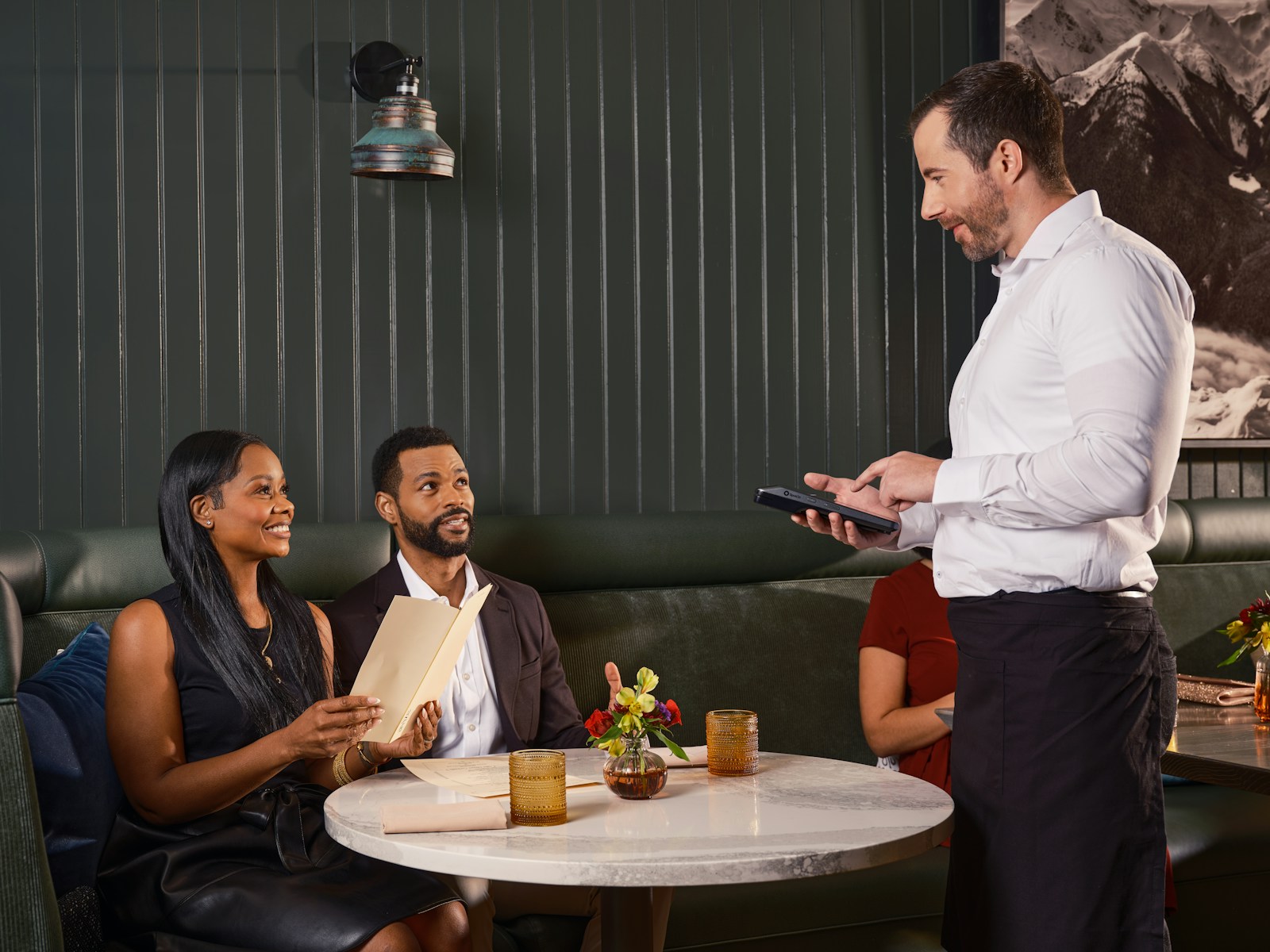
One of the oldest tells in the business is watching how a guest speaks to the host or hostess who seats them, compared to how they speak to the server who takes their order a few minutes later. A noticeable shift in warmth, curt and dismissive at the host stand, suddenly pleasant once the server arrives, tends to signal someone who treats courtesy as a performance for whoever they think matters most in the moment, rather than a baseline for everyone. Servers pick up on this dynamic almost instantly, because it’s exactly the kind of inconsistency that predicts how the rest of the meal is likely to go.
Whether they look up and actually greet the person at the table
A server approaching a table for the first time gets a strong initial read simply from whether anyone looks up. A table that makes eye contact, offers a quick hello, and treats the arrival as a small human interaction tends to be an entirely different experience to serve than a table that keeps talking, phones down, without acknowledging the person standing there at all. It’s a tiny moment, but it sets the tone for every interaction that follows, and servers notice the difference within the first few seconds of any table visit.
How prepared they are to actually order
Servers can tell almost instantly whether a table has looked at the menu with any real intention by how the first few questions land. A table asking specific, considered questions reads very differently than one still passing the menu back and forth, clearly not close to a decision, several minutes after being seated. Neither is a moral failing, but the second pattern tells a server they’ll likely need to circle back multiple times, which shapes how they plan their rounds for the rest of the section.
The way they talk about other restaurants
Guests often make comparisons out loud, mentioning another restaurant’s version of a dish, a past bad experience elsewhere, or a general opinion about the local dining scene. How this comes out matters: genuine, curious comparison reads very differently than a running commentary clearly meant to set expectations low or extract a discount through implied comparison. Servers pick up quickly on which version they’re dealing with, and it tends to color how much extra effort gets offered over the course of the meal.
Whether basic courtesy words show up at all
“Please” and “thank you” are such small words that their absence is oddly more noticeable than their presence. A table that uses them consistently, even for small things like a water refill, registers immediately as easy, low-friction company. A table that gives orders without them, treating requests as commands rather than asks, tends to register just as quickly in the opposite direction. It’s rarely a dramatic difference in the moment, but it accumulates fast over the course of a meal with several interactions.
How they react to a small, early mistake
Restaurants are imperfect systems run by humans, and small errors happen: a drink order mixed up, a slightly slow start, a dish that arrives a few minutes later than expected. How a table responds to that first small hiccup tells a server a great deal about what the rest of the shift with that table will be like. A gracious response, understanding that mistakes happen and moving on, tends to predict an easy table throughout. A disproportionate reaction to a minor early error is one of the most reliable signals servers use to brace for a more demanding evening ahead.
Whether they’re actually present or fully absorbed in their phones
A table that’s engaged with each other, talking, laughing, actually looking at the food when it arrives, creates a completely different serving experience than a table where everyone is heads-down for the entire meal, barely registering the food or the person delivering it. It’s not that phone use itself is a problem; it’s that a fully absorbed table tends to be harder to read, slower to respond to check-ins, and less likely to notice small touches a server might otherwise offer. Servers notice quickly which kind of table they’re working with, and it shapes how much personal attention they invest over the course of the meal.
