Illinois alone grew 485 million pounds of pumpkin in 2024 — more than the next four producing states combined — and the state devotes roughly 70% of its pumpkin acreage specifically to the canned puree and pie-filling varieties that end up in kitchens, not coffee cups, according to the USDA’s Economic Research Service. Pumpkin spice lattes take the blame for turning fall into a marketing bit, but the crop itself has always been a savory-and-sweet kitchen staple first. A cup of cubed pumpkin runs just 30 calories and delivers real vitamin A, per the USDA’s own seasonal produce guide — reason enough to put it in more than a paper cup this season.
None of the dishes below need a coffee shop, a syrup pump or a single mention of “spice season.” They’re the kind of pumpkin recipes that existed long before the drink did, built around the vegetable’s actual texture and flavor instead of a flavoring shot.
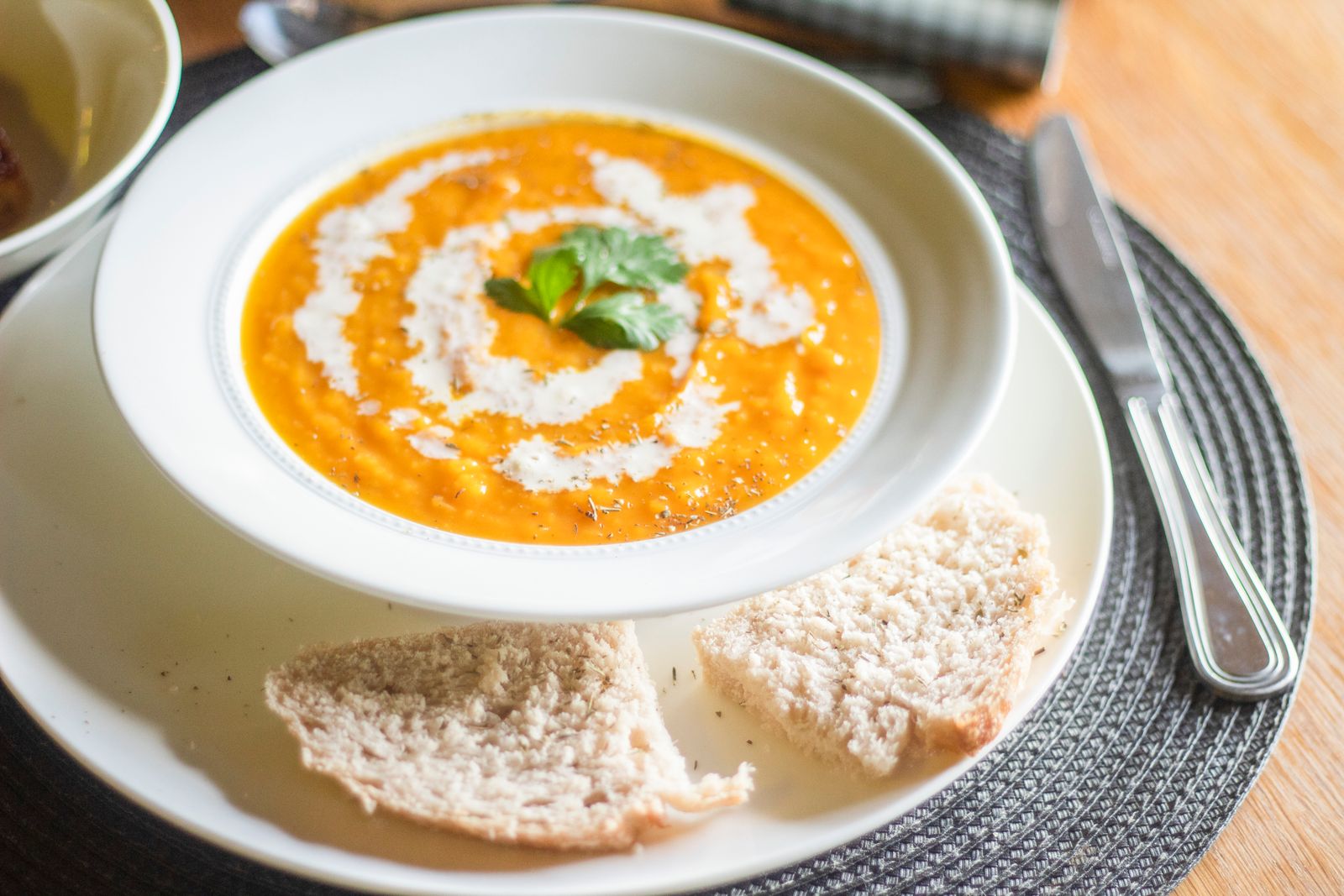
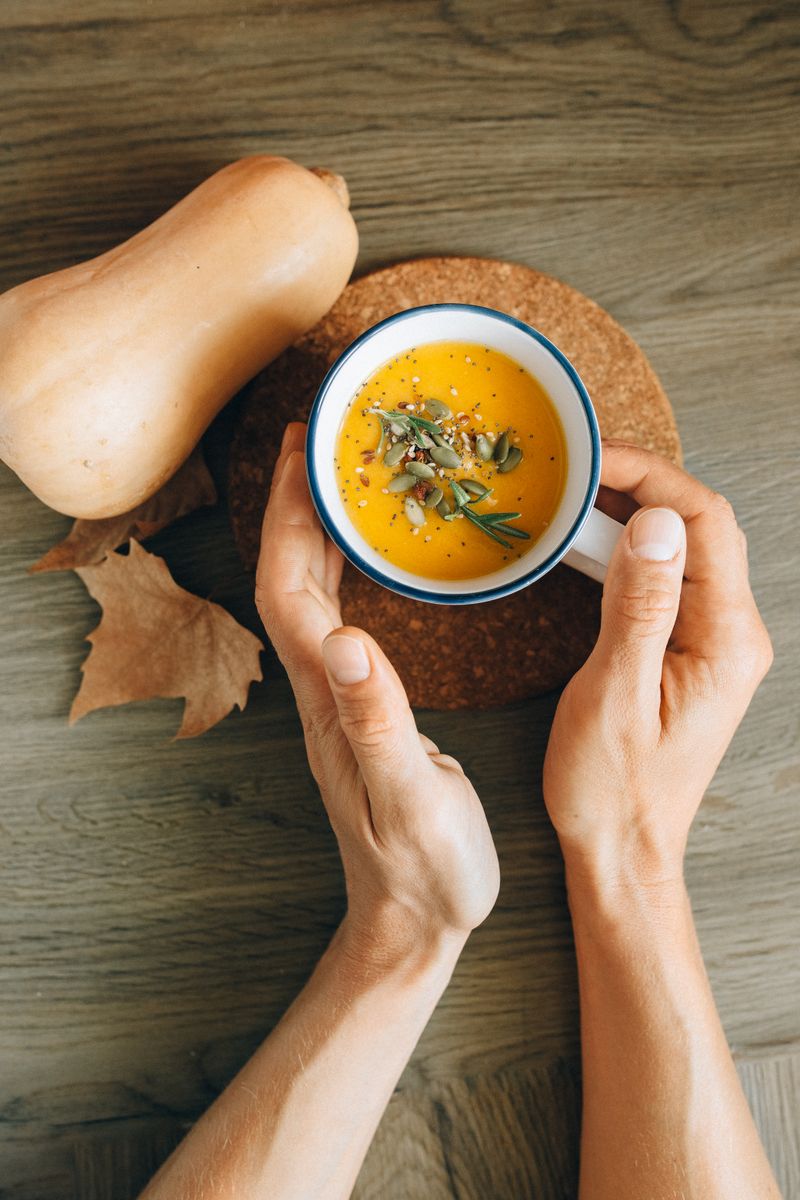
Pumpkin Soup
The most direct route from can (or roasted fresh pumpkin) to dinner table. Blend roasted pumpkin with sautéed onion, garlic and broth, then finish with a splash of cream and a pinch of nutmeg. Roast the seeds separately and scatter them on top for crunch — a use the USDA’s own guide specifically flags, noting cooks should “save the seeds for roasting.”
Pumpkin Risotto
Stir pumpkin puree into arborio rice during the last few minutes of cooking, after the rice has already absorbed most of its broth. The starch from the rice and the pumpkin’s natural body thicken the dish without extra cream, and a handful of sage and parmesan turns a side dish into a full meal.
Pumpkin Chili
A half cup of puree stirred into ground beef or turkey chili adds body and a faint sweetness that balances chili powder and cumin without anyone necessarily tasting “pumpkin” outright. It’s an easy way to stretch a pot further for a crowd, which matters more during a season when grocery budgets are already stretched by holiday spending.
Pumpkin Gnocchi
Working roasted, well-drained pumpkin puree into a basic potato-and-flour gnocchi dough gives the pillowy dumplings color and a subtle sweetness that plays well against a simple brown-butter-and-sage sauce. It takes more hands-on time than the other dishes here, but it’s the one that reads as a genuine dinner-party centerpiece rather than a side.
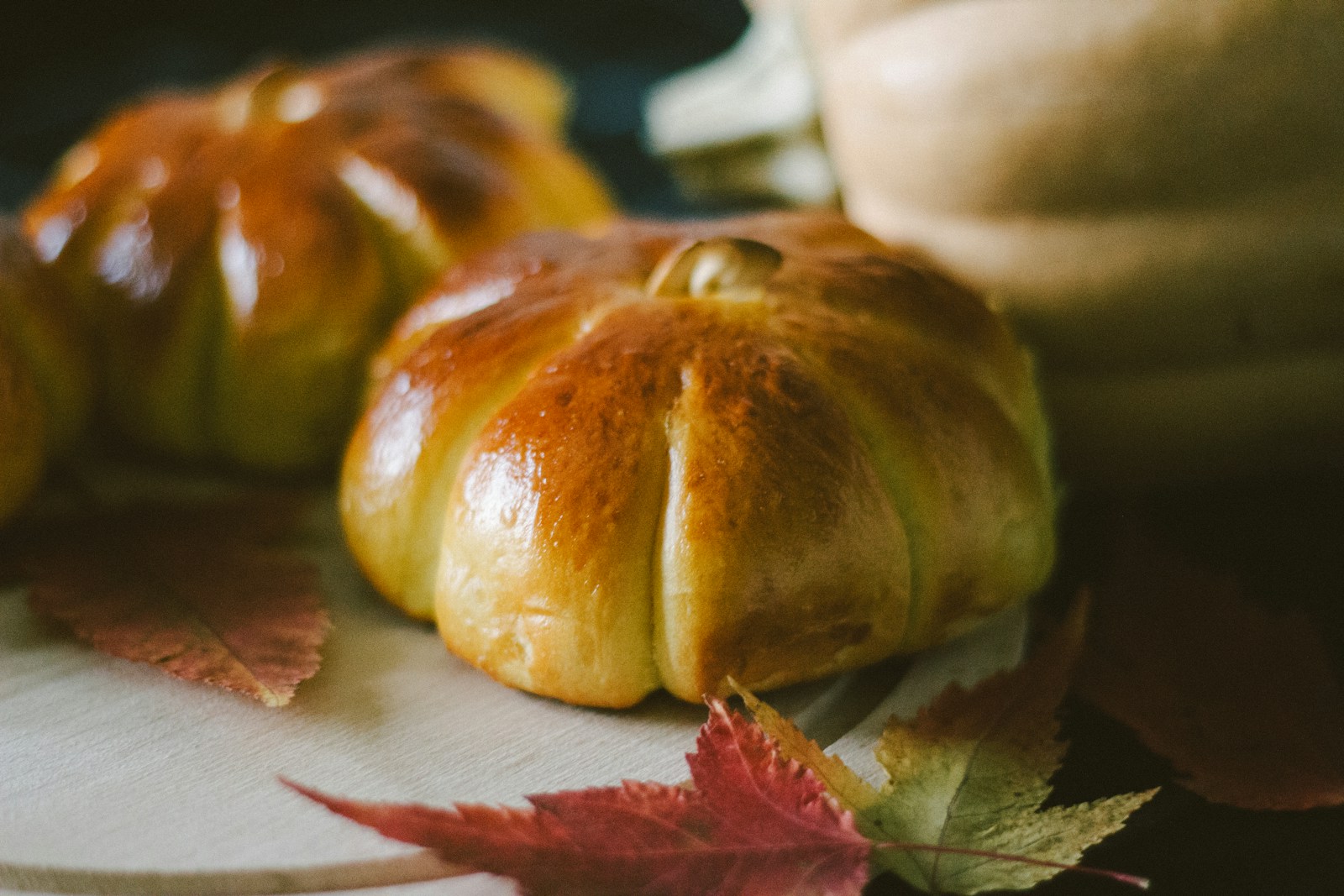
Savory Pumpkin Bread
Skip the sweet quick bread everyone already bakes and go savory instead: fold roasted pumpkin, shredded cheese, and fresh herbs like rosemary or thyme into a basic quick-bread batter, then top with toasted pumpkin seeds before baking. Served warm alongside the soup above, it does double duty as both bread basket and side dish.
Pumpkin Curry
Pumpkin cubes simmered in coconut milk with red curry paste, ginger and a splash of fish sauce hold their shape better than most winter squash and soak up spice without turning mushy. Serve over rice with a squeeze of lime for a dish that has nothing in common with a fall drink menu.
Pumpkin Cheesecake Bars
A layer of pumpkin puree swirled into a basic cream-cheese filling, poured over a graham-cracker crust and baked in a sheet pan, turns out easier to slice and serve to a crowd than a full round cheesecake. It’s the one dessert on this list, and it still leans on the vegetable’s natural sweetness rather than a flavor syrup to do the work.
Nationally, about 85% of U.S. pumpkin acreage still goes to the fresh and ornamental market — the jack-o’-lanterns on porches, not the puree in a can — which means the crop that shows up on grocery shelves each fall traces back to a genuinely small, concentrated slice of American farmland, most of it in Illinois. That concentration is exactly why canned pumpkin tends to disappear from shelves for stretches every October: a handful of processors in a handful of counties are supplying a season’s worth of demand from soup pots, chili pots and casserole dishes across the entire country, not just from coffee counters. Treating that harvest as a season’s worth of actual dinners, rather than a single flavor add-in for one drink, is simply getting more out of it — and it’s a better use of a genuinely nutrient-dense, low-calorie vegetable than a syrup pump ever was.