Fusion food often gets treated as a novelty, something built for a single viral moment rather than long-term staying power on a menu, a clever mashup meant to be photographed once and then quietly retired. That makes the story of one restaurant owner’s chicken tikka masala pizza especially notable: rather than a passing trend, it has held a permanent spot on her menu for more than two decades, quietly anchoring a business with multiple locations across the Bay Area.
In a recent video, she prepares the dish on camera from start to finish, walking viewers through the process inside her own restaurant kitchen while explaining just how long the pizza has been part of her offerings, a detail @mirchicafe made clear in the post itself. There’s no reenactment or studio setup here; the footage shows the real working kitchen where the dish has been made, in some form, for more than twenty years, which gives the video a credibility that a lot of food content simply doesn’t have.
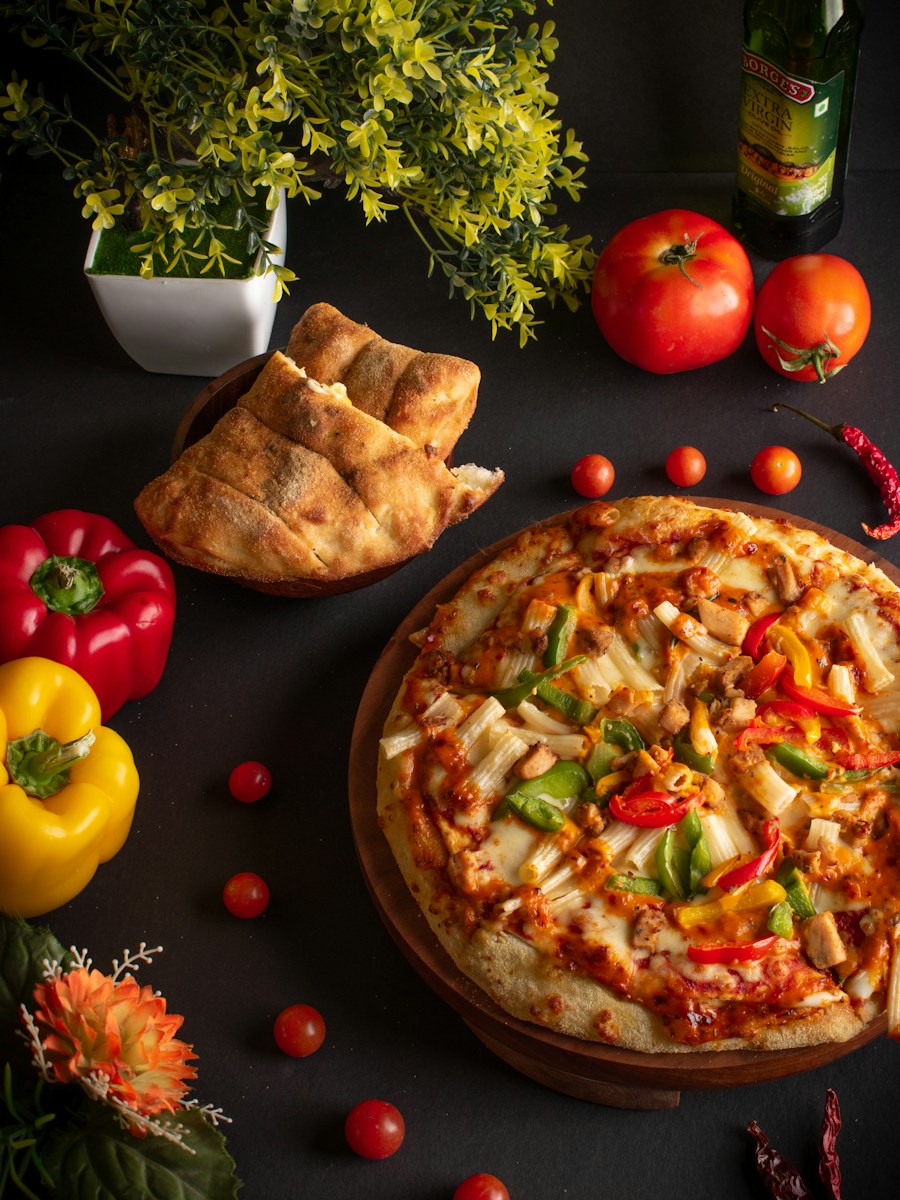
image: pizza on chopping board. photo credit: unsplash
@mirchicafe
Chicken tikka masala pizza sits at an interesting intersection of two very different culinary traditions, blending the marinated, spiced chicken and creamy tomato-based sauce of a South Asian favorite with the format of a classic Italian-American dish. Fusion dishes like this one are often dismissed by purists on both sides as neither one thing nor the other, but the ones that actually survive long enough to become a signature item tend to succeed precisely because they solve a real problem: they give customers something familiar enough to order confidently, while still delivering a flavor profile they can’t get anywhere else.
Two decades on a menu is a meaningful benchmark in the restaurant industry, where dishes are constantly rotated, tested, and cut based on cost, popularity, and changing customer tastes. For a fusion item in particular to survive that long says something about how deeply it has been embraced by regular customers, not just curious first-timers. It suggests the dish has become part of the restaurant’s identity rather than a gimmick, the kind of item longtime regulars specifically request and new customers get steered toward by word of mouth.
There’s also a broader lesson here about how immigrant-owned restaurants often become quiet engines of culinary innovation in their local communities. Combining a familiar American format, in this case pizza, with the techniques and flavors of a home cuisine isn’t just a business strategy; it’s often a genuine reflection of how a chef’s own palate has been shaped by more than one culinary tradition at once. Dishes like this chicken tikka masala pizza don’t usually get invented in a corporate test kitchen. They tend to come out of real kitchens run by real people bridging two food cultures they know intimately, which is exactly the kind of story that gives a dish real staying power.
For readers who might be skeptical of fusion cuisine on principle, this story is a good reminder that the test of a dish was never whether it fits neatly into one culinary tradition. The test is whether people keep ordering it, year after year, long after the initial novelty has worn off. A pizza that has held a spot on a Bay Area menu for over twenty years has clearly passed that test many times over, and the fact that its creator is still making it herself, on camera, with the same evident pride she’s presumably had since day one, is a good indication of why it has never needed to leave the menu.
There’s also a takeaway here for anyone running a small food business and wondering whether an unconventional menu idea is worth the risk. The safest path is almost always to stick with what’s familiar, but the dishes that end up defining a restaurant’s identity, the ones customers travel across town for, are usually the ones that took a chance on something nobody else was doing. A fusion item that survives its first year is interesting. One that survives twenty, across multiple locations, stops being a gimmick and becomes proof of concept: that a genuinely new idea, executed with consistency and care, can outlast every trend that came after it and become the very thing a business becomes known for.
It’s worth noting, too, how much trust is required to keep a dish like this on the menu for so long across several locations. Multi-location restaurant groups often standardize their offerings to keep things simple and consistent for staff and customers alike, which makes it all the more notable that this pizza wasn’t trimmed for the sake of a leaner, more conventional menu. Its survival across two decades and multiple Bay Area locations suggests it has become something closer to a flagship item than a curiosity, the kind of dish new staff are taught early because regulars expect it to be there, exactly as it has always been, long after any given food trend has come and gone.
There’s a broader lesson here, too, about what actually earns a dish permanence on a menu in a competitive restaurant landscape. It isn’t novelty alone, and it isn’t tradition alone; it’s the combination of an idea distinctive enough to be memorable and consistent enough, meal after meal, to keep customers coming back specifically for it. A pizza that meets both of those bars for over twenty years, across several locations, has done something the vast majority of menu items, fusion or otherwise, never manage to do.